
Barcelona Italy Costa Toscana: LNG Cruise Route Reshapes Mediterranean 2026
Costa Toscana's new Barcelona-Italy route launches as the Mediterranean's busiest cruise corridor. The LNG-powered ship connects Spain to Toscana ports while Barcelona implements overtourism management strategies affecting 4 million annual passengers in 2026.

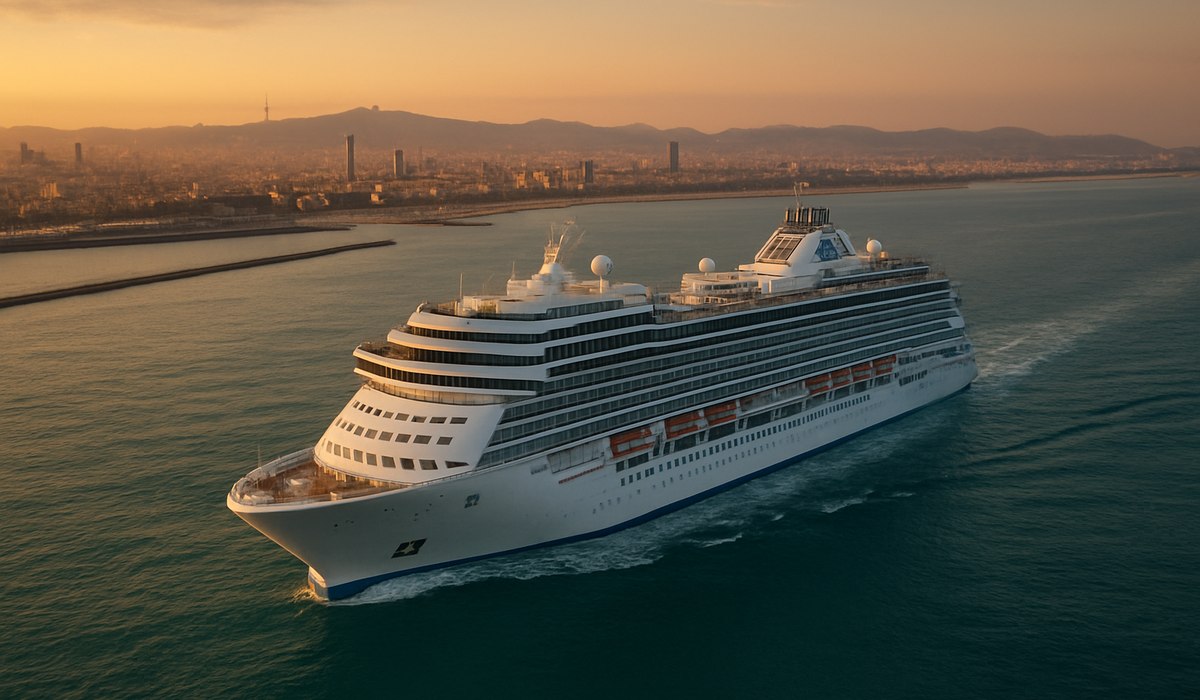
Image generated by AI
Barcelona Italy Costa Route Emerges as Mediterranean's Defining Cruise Corridor
Costa Toscana is reshaping Western Mediterranean cruise travel with its flagship Barcelona-Italy service, marking 2026 as a pivotal year for the region's maritime tourism. The liquefied natural gas-powered vessel now homeports in Barcelona—recently handling nearly 4 million passenger movements annually—creating a direct link to Italian ports including Civitavecchia, Savona, and occasional Naples calls. This expansion coincides with Barcelona's ambitious strategy to manage overtourism while maintaining its position as Europe's busiest cruise gateway. The route reflects broader industry trends: climate-conscious ship deployment, capacity concentration in gateway cities, and destination-level efforts to redistribute visitor pressure through longer shore excursions.
Barcelona Consolidates Its Position as Mediterranean's Busiest Cruise Hub
Barcelona's cruise dominance has reached unprecedented levels. Recent port authority data confirms the Spanish city processed nearly 4 million passenger movements in a single year, cementing its status as the Western Mediterranean's primary embarkation point. This surge follows pandemic recovery, with 2024 and 2025 figures now exceeding pre-2020 baseline levels as major cruise brands redeploy fleet capacity to European homeports.
However, success brings structural challenges. Municipal authorities have announced a gradual reduction in active cruise terminals and passenger capacity caps over coming years. The strategy prioritizes turnaround voyages—those beginning and ending in Barcelona—to encourage multi-day pre- and post-cruise stays. This approach spreads tourist spending across local neighborhoods rather than concentrating day-trippers at the waterfront. Port infrastructure investments, combined with environmental compliance targets, support this managed-growth model while Barcelona addresses growing overtourism concerns affecting residents and visitors alike. Learn more about Barcelona's port management strategies.
Costa Toscana: The New Generation Ship Reshaping Western Mediterranean Routes
Costa Toscana represents a technological and aesthetic watershed for Mediterranean cruising. The 183,000-ton flagship employs liquefied natural gas propulsion, reducing air emissions compared to conventionally fueled vessels of equivalent size. While maritime analysts acknowledge LNG remains a fossil fuel rather than zero-emission solution, the technology delivers measurable improvements in sulfur oxide, nitrogen oxide, and particulate matter reduction.
The ship's design celebrates Italian cultural heritage. Public spaces reference Tuscan locations, while interiors feature contemporary Italian art, fashion-forward cuisine, and regional gastronomy. Passenger capacity reaches approximately 6,000 guests across diverse cabin categories, supported by multi-level entertainment venues, open-air decks, spa facilities, and family activity centers. Advanced energy-efficiency systems, shore-power connectivity where available, and sophisticated waste-management technologies complete the environmental profile. For passengers, Costa Toscana offers the scale of mega-ship amenities with design touches emphasizing Mediterranean authenticity. Cruise industry analysts regard the vessel as emblematic of how major operators balance capacity deployment with incremental sustainability improvements. Read more about LNG cruise ship technology.
Managing Growth: How Barcelona Is Balancing Cruise Traffic with Sustainability
Barcelona's cruise economy faces a paradox: continued growth promises economic benefits while straining urban infrastructure and resident quality of life. In response, port and municipal authorities have adopted a multi-layered management framework addressing capacity, environmental impact, and social equity simultaneously.
The terminal reduction strategy targets fewer but larger vessels and longer average stays. By capping daily passenger disembarkations and encouraging turnaround itineraries, Barcelona aims to shift visitor distribution patterns. Passengers boarding ships like Costa Toscana experience this indirectly through streamlined embarkation processes and coordinated logistics, yet the broader restructuring reshapes how millions of annual cruise passengers interact with the city.
Environmental measures include electrical grid connections allowing ships to draw shore power while docked, reducing on-board fuel consumption during port stays. Toscana's LNG capability aligns with Barcelona's 2030 sustainability targets. Simultaneously, the port works with tourism boards to promote extended city exploration, vineyard visits in Penedès, and Montserrat mountain excursions—activities requiring 2-3 day commitments rather than 6-8 hour port calls. This spatial and temporal redistribution addresses resident concerns while maintaining cruise tourism's economic contributions.
What This Means for Nomadic Travelers and Cruise Passengers
The Barcelona-Italy cruise corridor offers distinct advantages and considerations for 2026 travelers:
-
Timing Strategy: Book late-afternoon Barcelona departures to maximize the city independently before embarkation. Arrive 24 hours early to explore Gothic Quarter neighborhoods, La Sagrada Familia, and Park Güell without cruise-day rushing.
-
Port Call Depth: Seven-night itineraries include 2-3 Italian stops. Civitavecchia reaches Rome via 90-minute transfers; Savona accesses Genoa, Milan via rail, and Cinque Terre. Plan shore excursions or independent rail exploration during 12-14 hour port windows.
-
Capacity Management Impact: Fewer daily ship arrivals mean less waterfront congestion, better restaurant availability, and improved public transport flow. Extended stays during turnaround sailings spread economic benefit to peripheral neighborhoods.
-
LNG Transparency: While Costa Toscana reduces emissions versus conventional ships, understand LNG remains fossil-fuel-dependent. If zero-emission cruising is essential, current Mediterranean options remain limited; track emerging battery-hybrid and hydrogen projects for future seasons.
-
Overtourism Awareness: Barcelona's resident population concerns warrant respectful travel behavior. Stay in non-waterfront districts, patronize local businesses beyond the cruise port, and consider visiting shoulder seasons (April-May, September-October) to distribute your impact.
Key Data Table: Barcelona-Italy Cruise Corridor Specifications
| Metric | Details |
|---|---|
| Annual Cruise Passengers (Barcelona) | ~4 million (2025-2026) |
| Costa Toscana Capacity | ~6,000 passengers per sailing |
| Weekly Sailings (Typical) | 1-2 departures per week year-round |
| Itinerary Duration | 7-10 nights (Western Mediterranean) |
| Primary Italian Ports | Civitavecchia, Savona, Naples, Messina |
| LNG Emissions Reduction | ~20% CO₂, ~80% sulfur oxides vs. conventional fuel |
| Barcelona Terminal Reduction Target | 30% reduction in active terminals by 2028 |
| Average Port Stay (Barcelona) | 12-14 hours (port calls); 24+ hours (turnarounds) |
| Shore Power Connectivity | Available Barcelona, Civitavecchia, Savona |
| Passenger Spending Impact | €800-1,200 per person per port call (Barcelona studies) |
FAQ: Barcelona Italy Costa Questions for 2026 Travelers
How does Barcelona's terminal reduction affect my cruise booking? Terminal consolidation streamlines embarkation by concentrating passenger flow. Fewer facilities mean more efficient check-in, shorter walk distances, and coordinated shuttle services. Booking confirmations specify which terminal; arrive 3-4 hours before departure to navigate increased organization without delays.
Is Costa Toscana's LNG power significantly cleaner than older cruise ships? LNG reduces emissions approximately 20% for carbon dioxide and up to 80% for sulfur oxides compared to conventional heavy fuel oil. However, LNG remains hydrocarbon-derived. It represents incremental environmental progress, not zero-emission travel. Future hydrogen and battery-hybrid ships will
Disclaimer
This article is for informational and educational purposes only. It does not constitute legal, financial, or professional advice. While we strive to provide accurate and up-to-date information, travel policies, regulations, and conditions change rapidly. Always verify information with official sources before making travel decisions. Nomad Lawyer makes no representations about the accuracy, reliability, completeness, or suitability of the information provided. Readers should consult qualified professionals for advice specific to their circumstances. The views expressed in this article are those of the author and do not necessarily reflect the views of Nomad Lawyer.
Preeti Gunjan
Contributor & Community Manager
A passionate traveller and community builder. Preeti helps grow the Nomad Lawyer community, fostering engagement and bringing the reader experience to life.
Learn more about our team →