
Bangkok Emergency Heat Alert: Dangerous 52°C Index Triggering Health Warnings for Travelers
The Bangkok Metropolitan Administration has issued an urgent 'extreme danger' heat index warning as temperatures in the capital hit a perilous 52°C, advising tourists and locals to stay indoors during peak hours.

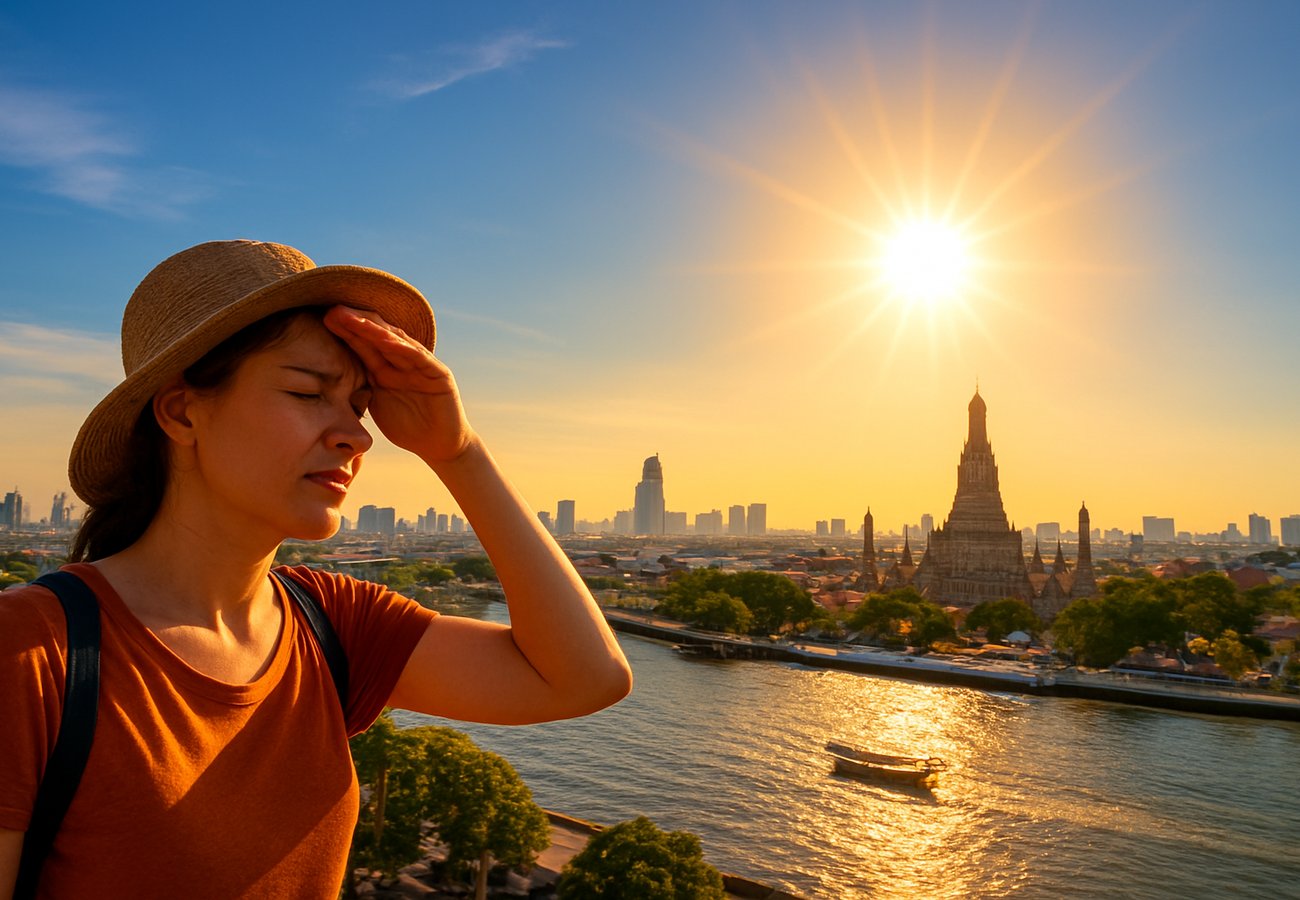
Image generated by AI
Quick Summary
- The Bangkok Metropolitan Administration (BMA) has issued a high-level emergency heat index warning for the capital, with the index reaching a life-threatening 52°C (125.6°F) in multiple urban districts.
- Authorities have designated the current conditions as "Extremely Dangerous," advising all residents and tourists to avoid all outdoor activities until further notice.
- The most critical risk window is between 11:00 AM and 3:00 PM, during which travelers are urged to remain in air-conditioned or well-shaded indoor environments.
- Real-time monitoring of the heat index and air quality is available via the AirBKK app and official website, which are now essential tools for navigating the city safely.
Bangkok’s current climate crisis reflects a broader global pattern of extreme urban heat, placing the city alongside other high-risk hubs like New Delhi and Manila. For international tourists, the heat index—a combined measure of ambient temperature and relative humidity—poses a severe risk of heatstroke, dehydration, and respiratory distress. Sightseeing plans for iconic landmarks such as the Grand Palace and Wat Arun must be adjusted to early morning or late evening hours to mitigate these health hazards.
Heat Index Thresholds: Safety Guidelines for Travelers
The BMA has established clear safety protocols based on the heat index levels. Travelers should monitor these metrics through local media and the AirBKK platform.
| Heat Index Level | Classification | Action Required for Tourists |
|---|---|---|
| Below 32°C | Normal / Caution | Standard sun protection; stay hydrated. |
| 32°C - 41.9°C | Extreme Caution | Limit heavy outdoor exertion; take frequent breaks. |
| 42°C - 51.9°C | High Risk | Avoid outdoors if possible; monitor for dizziness/fatigue. |
| 52°C and Above | Extreme Danger | STAY INDOORS. Total cessation of outdoor activities. |
Health Risks and Vulnerable Groups
Exposure to a heat index exceeding 52°C is a critical medical event that can quickly escalate into heatstroke.
- Vulnerable Populations: Children, elderly individuals, pregnant women, and those with pre-existing heart or respiratory conditions should not leave air-conditioned spaces if the index exceeds 42°C.
- Early Symptoms: Travelers should be highly alert for dizziness, confusion, extreme fatigue, or sudden fainting. If these symptoms occur, move to a cool area immediately and seek medical attention.
- Hydration: The BMA recommends drinking at least 500ml of clean water every hour during extreme heat, regardless of your activity level.
Navigating Bangkok Safely During the Heatwave
Tourism infrastructure in Bangkok is well-equipped to provide respite, but travelers must be proactive.
- Utilize AirBKK: Download the AirBKK app to check real-time heat and pollution data for your specific district before leaving your hotel.
- Adjust Sightseeing: Plan major outdoor visits for sunrise (6:00 AM - 9:00 AM) or sunset (5:30 PM onwards). Midday should be reserved for indoor malls (e.g., Siam Paragon, ICONSIAM) or museums.
- Wear Appropriate Gear: Use light-colored, breathable fabrics like linen or cotton, and never navigate the city without a broad-spectrum sunscreen and a hat.
- Take Breaks: Many street vendors and open-air markets provide shaded misting areas; utilize these to lower your core temperature during essential movements.
Long-Term Climate Implications for Thai Tourism
The current heatwave is part of a sustained increase in global temperatures, prompting the Thai government to invest in more resilient urban cooling systems.
- Green Infrastructure: Plans are underway to expand urban forests and green roofs to reduce the "Urban Heat Island" effect that traps high temperatures in Bangkok’s concrete core.
- Adaptation Strategies: Tourism hubs are increasingly being designed with climate-controlled walkways and enhanced cooling infrastructure to ensure that the "Bangkok Experience" remains viable for international visitors year-round.
FAQ: Bangkok Heat Emergency
Is it safe to visit outdoor markets like Chatuchak? During an "Extreme Danger" alert (52°C+), outdoor markets should be avoided. If you must go, visit during the early morning hours and stay close to cooling fans or air-conditioned shops.
How accurate is the AirBKK app? The app utilizes a network of sensors across the metropolitan area, providing the most reliable real-time data for both the heat index and PM2.5 air pollution levels.
Does my travel insurance cover heatstroke? Most comprehensive policies cover emergency medical treatment, but check if "weather-related illness" is an exclusion. Always prioritize prevention over treatment.
Related Travel Alerts
Disclaimer
This article is for informational and educational purposes only. It does not constitute legal, financial, or professional advice. While we strive to provide accurate and up-to-date information, travel policies, regulations, and conditions change rapidly. Always verify information with official sources before making travel decisions. Nomad Lawyer makes no representations about the accuracy, reliability, completeness, or suitability of the information provided. Readers should consult qualified professionals for advice specific to their circumstances. The views expressed in this article are those of the author and do not necessarily reflect the views of Nomad Lawyer.
Kunal K Choudhary
Co-Founder & Contributor
A passionate traveller and tech enthusiast. Kunal contributes to the vision and growth of Nomad Lawyer, bringing fresh perspectives and driving the community forward.
Learn more about our team →