
Azerbaijan Tourism Plummets 11% in May 2026 as Russia Turkey and Iran Scale Back Travel Amid Border Tensions
International arrivals to Azerbaijan dropped by 11% in May 2026, driven by geopolitical instability, airspace disruptions in the Middle East, and border tensions with Iran.

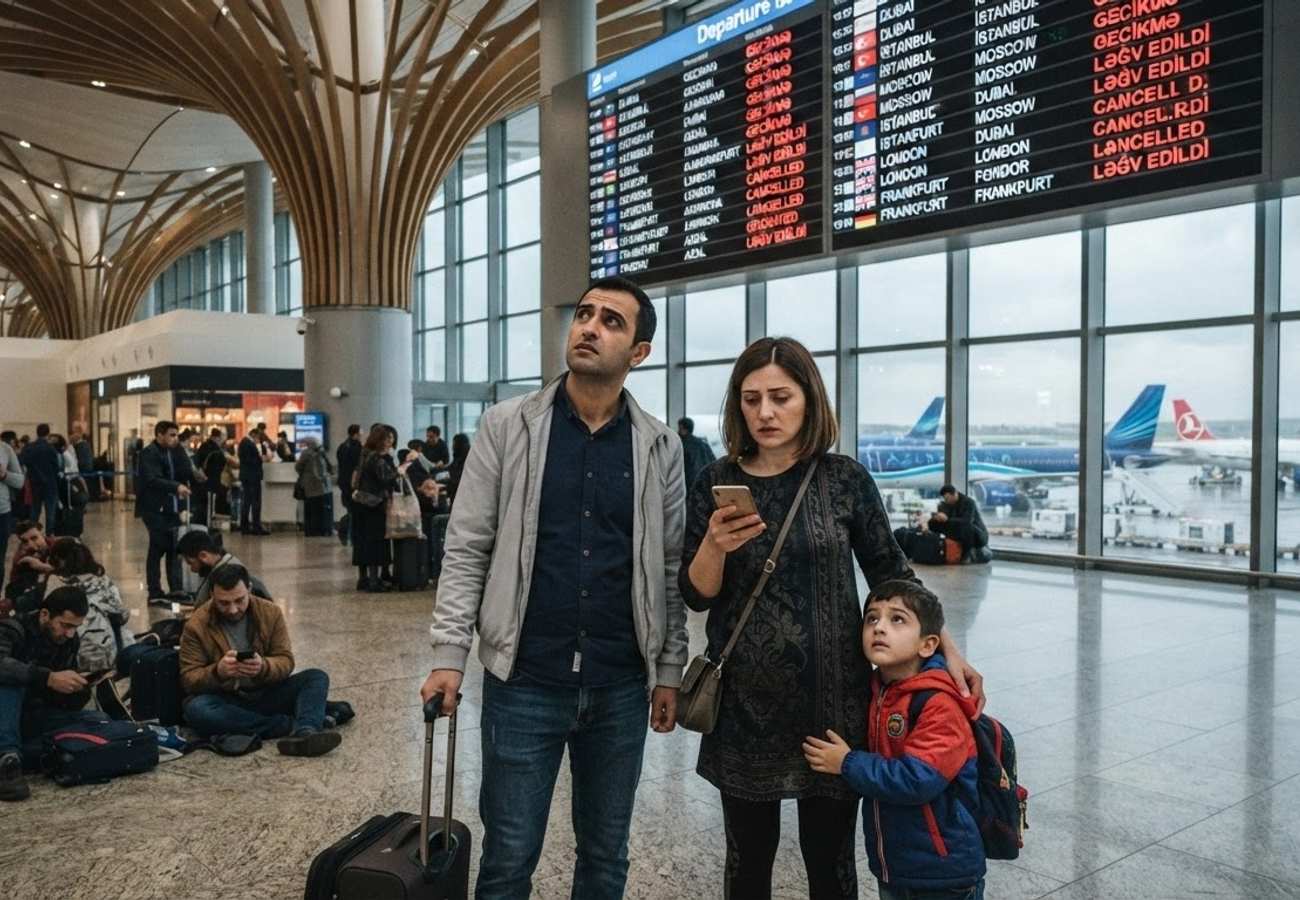
Image generated by AI
[Baku, July 6, 2026] — Azerbaijan is experiencing a significant downturn in international visitor arrivals, with data showing an 11% decline in tourism across major hubs like Baku, Ganja, and Sheki during May 2026. This slump is attributed to a volatile mix of escalating border tensions with Iran, spillover effects from Middle East conflicts, and critical aviation disruptions that have dampened travel confidence across several key source markets.
The downturn is not the result of a single event but rather a convergence of geopolitical pressures and logistical failures. Industry observers indicate that the instability of regional air corridors has forced airlines to reroute flights, leading to increased costs and longer travel times. These factors, combined with heightened security sensitivities along the Iranian border, have prompted travelers from Russia, Turkey, France, and Saudi Arabia to adopt more cautious booking patterns.
Regional Airspace Instability and Aviation Bottlenecks
A primary driver of the tourism contraction is the ongoing instability within Middle Eastern air corridors. Because Azerbaijan relies heavily on its accessibility as a regional hub, any disruption to the airspace creates a disproportionate impact on inbound flows.
Flight paths connecting Europe, Asia, and the Gulf states have undergone periodic adjustments due to geopolitical tensions and airspace restrictions. According to flight tracking data and industry reports, these changes have resulted in several critical operational burdens:
- Increased Flight Durations: Rerouting has led to longer journey times for those flying into Baku.
- Reduced Direct Connectivity: A decline in the availability of non-stop flights from primary markets.
- Pricing Volatility: Fluctuating fuel costs and longer routes have pushed ticket prices higher.
- Scheduling Unpredictability: Airlines are struggling with consistent timetables, discouraging spontaneous leisure travel.
Market-Specific Declines Across Key Source Nations
The 11% drop in arrivals is reflected unevenly across the nations that traditionally provide the bulk of Azerbaijan's tourism. While some markets remain stable in volume, the momentum for growth has stalled.
Russia and Turkey: Softening Demand
Russia remains the largest source of visitors, yet the frequency of trips has diminished. Economic constraints and currency fluctuations within Russia have reduced discretionary spending on leisure travel. While short-term visits persist, there is a noticeable decline in longer holiday stays. Similarly, Turkey has seen a "normalization" of travel. As Turkey's own domestic tourism becomes more competitive, the pressure for Turkish citizens to travel abroad to nearby destinations like Azerbaijan has eased.
Iran: Border Sensitivity
Travel from Iran is most acutely affected by the direct geopolitical climate. Heightened sensitivity at the border and regulatory shifts have created an atmosphere of uncertainty. Even minor diplomatic frictions in the border regions are triggering immediate reductions in travel frequency.
Saudi Arabia and the Gulf States
Once a high-growth segment, the Gulf market is now hampered by the aforementioned airspace restrictions. The combination of higher fares and indirect routing has made Azerbaijan a less attractive short-term destination for leisure travelers from Saudi Arabia and the UAE.
France and European Markets
European travelers, particularly from France, are exhibiting cautious behavior. Industry sources suggest that travelers are opting for more cost-efficient and stable alternatives in Southern Europe and the Mediterranean over the South Caucasus.
Impact on Major Tourism Hubs: Baku, Ganja, and Sheki
The decline in visitor numbers is manifesting differently across Azerbaijan's primary destinations, reflecting the varied nature of their tourism appeal.
| Destination | Primary Impact | Observed Trend |
|---|---|---|
| Baku | Urban & Business Tourism | Fluctuating hotel occupancy; mid-week leisure drops while business remains stable. |
| Ganja | Regional & Cross-Border | High volatility due to reliance on short-haul and border-crossing visitors. |
| Sheki | Cultural & Niche Tourism | Stable in high-end niche segments, but overall volume down due to fewer group tours. |
In Baku, the capital's urban tourism is softening, with hotel operators reporting inconsistent occupancy rates. Ganja, which depends heavily on regional proximity, has felt the impact of border tensions more acutely. Meanwhile, Sheki has seen a reduction in the scale of organized group itineraries, though its appeal for niche cultural tourism remains relatively intact.
Structural Challenges and Competitive Pressures
The current crisis highlights a fundamental vulnerability in Azerbaijan's tourism infrastructure: an over-reliance on a few key markets and a fragile aviation network. The core bottleneck is no longer a lack of interest in the destination, but a lack of reliable, affordable connectivity.
As Azerbaijan struggles with these constraints, neighboring regional competitors are capturing the diverted demand. Destinations with more resilient aviation networks and predictable flight paths are currently gaining an advantage in the short-haul leisure and budget-sensitive city-break segments.
Why This Matters: The Broader Aviation and Travel Perspective
The situation in Azerbaijan serves as a case study in "geopolitical tourism fragility." When a destination's growth is predicated on its role as a bridge between East and West, it becomes hypersensitive to airspace stability. The 11% decline is not merely a loss of revenue but a signal that travel risk perceptions can override cultural and urban appeal.
For the aviation industry, this underscores the danger of "routing dependency." When a few key air corridors are disrupted, the entire tourism ecosystem of a landlocked or semi-landlocked region can collapse. The shift in behavior from Russian and Gulf travelers suggests that in 2026, "ease of access" has become a more critical decision factor than "destination quality." Azerbaijan's ability to recover will depend less on marketing and more on the diplomatic stabilization of its borders and the diversification of its flight corridors to bypass Middle Eastern instability.
Azerbaijan now faces a critical pivot toward market diversification to mitigate the risks of regional volatility.
Related Travel Guides
Disclaimer
This article is for informational and educational purposes only. It does not constitute legal, financial, or professional advice. While we strive to provide accurate and up-to-date information, travel policies, regulations, and conditions change rapidly. Always verify information with official sources before making travel decisions. Nomad Lawyer makes no representations about the accuracy, reliability, completeness, or suitability of the information provided. Readers should consult qualified professionals for advice specific to their circumstances. The views expressed in this article are those of the author and do not necessarily reflect the views of Nomad Lawyer.
Raushan Kumar
Founder & Lead Developer
Full-stack developer with 11+ years of experience and a passionate traveller. Raushan built Nomad Lawyer from the ground up with a vision to create the best travel and law experience on the web.
Learn more about our team →