
Australia Eases Middle East Travel Warnings, Reigniting Gulf Airlines as U.S.-Iran Peace Deal Takes Hold
Australia lifts 'do not travel' warnings for UAE, Qatar, Bahrain, Israel, and Kuwait following U.S.-Iran interim agreement, sparking Gulf airline recovery and airfare stabilization.

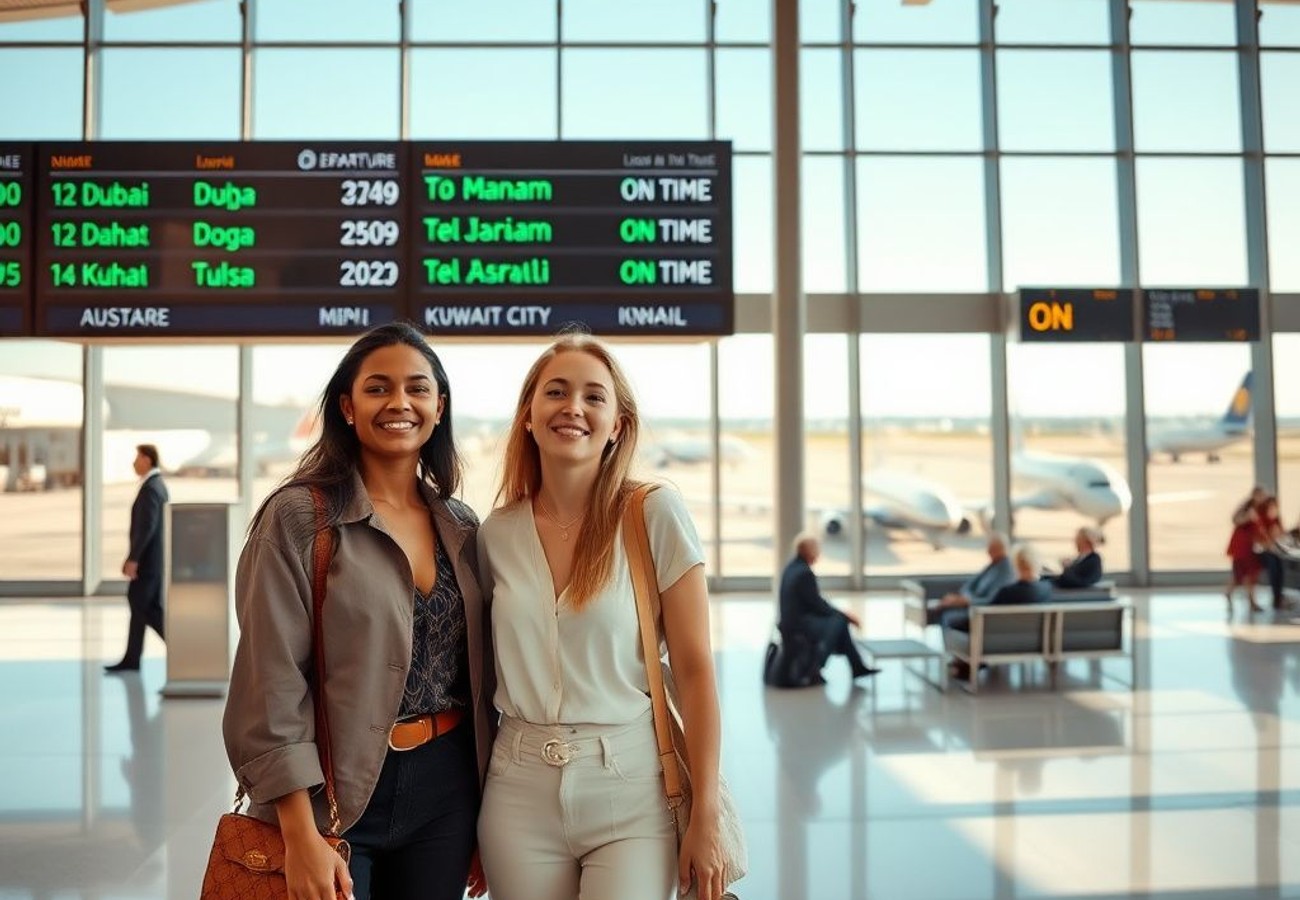
Image generated by AI
The Turnaround Nobody Expected
Australia just threw a lifeline to the Middle East aviation corridor. On June 17, 2026, Foreign Minister Penny Wong announced a significant easing of travel advisories for five key Gulf destinations: the United Arab Emirates, Qatar, Bahrain, Israel, and Kuwait.
The shift from "do not travel" to "reconsider your need to travel" marks a dramatic pivot in how Canberra views regional stability. And the airline industry is already celebrating.
"This is the opening that Gulf carriers have been waiting for," says aviation analyst sentiment across the sector. The removal of absolute travel bans means Australian travelers can now book Gulf-routed flights with insurance coverage—a distinction that changes everything for both passengers and carriers.
Why This Matters: The Insurance Game
Here's what most travelers don't realize: the previous Australian government warning wasn't just advisory noise. It was an insurance killer.
Travel insurance policies typically exclude claims related to destinations under "do not travel" warnings. That meant Australian passengers booking flights through Dubai, Doha, or Abu Dhabi had zero coverage if anything went wrong. No wonder they abandoned Gulf Airways, Emirates, and Qatar Airways in droves.
Before the conflict escalated in late February 2026, Gulf airlines carried more than 50% of all passengers transiting from Europe to Australia, New Zealand, and the Pacific Islands, according to aviation data firm Cirium. That market dominance evaporated the moment tensions spiked.
Reddit: "I had to rebook my entire Europe trip through Asia just to keep insurance valid. The detour added 8 hours and cost an extra $800. Now I can actually use the direct routes again." — r/travel
The Geopolitical Trigger: U.S.-Iran Deal
The catalyst? The U.S. and Iran reached an interim deal to de-escalate regional tensions. That single diplomatic development shifted Australia's threat assessment overnight.
Wong was careful to note that the advisory hadn't been removed entirely—just downgraded. The security situation "could still deteriorate rapidly with little warning," she cautioned. But for the aviation industry, this was enough. Confidence, once lost, can be rebuilt surprisingly fast.
The Airline Recovery Playbook
Emirates signaled its comeback strategy last week. Rather than engaging in a price war (which would make little financial sense given elevated fuel costs), the carrier is leaning into reliability messaging and customer support. After months of watching passengers flee to Singapore Airlines, Qantas Airways, and Cathay Pacific Airways, Emirates knows brand trust requires rebuilding, not discounting.
Flight Centre Travel Group reported a critical data point: travelers who had already booked Middle East routings had been systematically canceling or amending their plans. Now that insurance coverage is back on the table, those bookings can be salvaged.
The mathematics are clear. A passenger flying Sydney to London via Dubai now faces a 14-hour journey instead of 18+ hours rerouted through Singapore or Bangkok. That 4-hour advantage compounds when you're exhausted, delayed, or connecting to onward flights.
The Fuel Price Wildcard
Here's where the story gets more nuanced. Jet fuel prices more than doubled after the Iran conflict began, jumping to a peak of USD 242 per barrel on March 30, 2026. Airlines responded by raising fares, cutting capacity, and introducing fuel surcharges.
But prices have since retreated significantly. Singapore jet fuel traded at approximately USD 116 per barrel as of mid-June, higher than pre-conflict levels of around USD 80 but substantially below those March peaks.
Oil prices themselves dropped more than 2% to new three-month lows on Tuesday, the day after news of the U.S.-Iran deal broke. Some slides have been steeper—oil took a nearly 5% tumble following the peace announcement.
Reddit: "Finally, airfares might actually come down. I've been watching ticket prices stuck at 20% premiums for months despite stabilizing oil." — r/travel
Why Normalization Takes Time
Industry officials offer a sobering reality check: even with a peace deal in place, Middle East oil and gas output will take months to fully recover. Production disruptions don't reverse overnight. Refineries need to restart. Supply chains rebuild.
This suggests airfare normalization will be gradual, not sudden. Passengers shouldn't expect pre-conflict pricing immediately. But the trend is now directional—downward.
What This Means for Your Bookings
If you've been holding off on Europe-bound travel or reconsidering Middle East connections, the calculus has shifted. Insurance is now available. Regional stability assessments have improved. And fuel surcharges should gradually moderate.
That said, Penny Wong's caveat remains important: the advisory acknowledges that security could deteriorate "rapidly with little warning." This isn't a declaration of permanent peace. It's a tactical reassessment based on current intelligence.
For Australian travelers, the lesson is practical: locked-in bookings via Gulf hubs are now less risky. For Gulf carriers, the runway to rebuild market share is open—but the window won't stay open forever.
The Middle East aviation corridor is live again. The question now is whether passengers return in equal numbers.
Related Travel Guides
Disclaimer
This article is for informational and educational purposes only. It does not constitute legal, financial, or professional advice. While we strive to provide accurate and up-to-date information, travel policies, regulations, and conditions change rapidly. Always verify information with official sources before making travel decisions. Nomad Lawyer makes no representations about the accuracy, reliability, completeness, or suitability of the information provided. Readers should consult qualified professionals for advice specific to their circumstances. The views expressed in this article are those of the author and do not necessarily reflect the views of Nomad Lawyer.
Kunal K Choudhary
Co-Founder & Contributor
A passionate traveller and tech enthusiast. Kunal contributes to the vision and growth of Nomad Lawyer, bringing fresh perspectives and driving the community forward.
Learn more about our team →