
Asia Just Hit by Massive Travel Chaos — Here's What Travelers Need to Know About China Eastern, Garuda, and Capital Airlines Disruptions
A cascading aviation crisis has paralyzed major Asian hubs, stranding thousands as China Eastern, Garuda Indonesia, and Capital Airlines cancel 23 flights and delay 481.

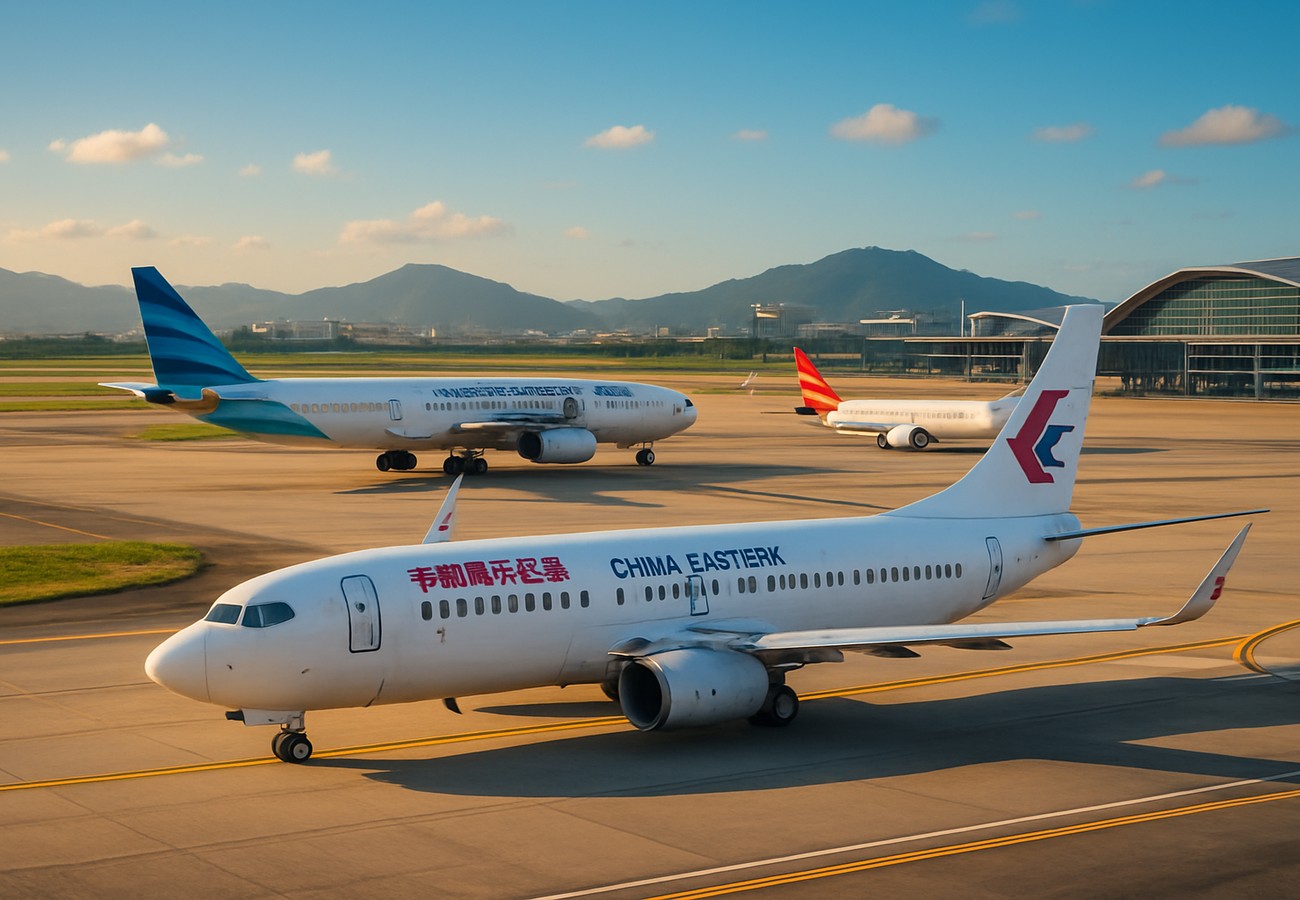
Image generated by AI
Quick Summary
- Unprecedented Disruption: The Asian aviation network is under massive operational strain today (April 18, 2026), officially registering 23 cancelled passenger flights and a staggering 481 delays.
- China Eastern Collapse: China Eastern Airlines is bearing the absolute brunt of the crisis, severely choking Shanghai Pudong with 12 outright cancellations and 382 isolated delays.
- Regional Spillovers: Operations at key international gateways, including Jakarta Soekarno-Hatta and Islamabad International, are heavily congested due to failing Garuda Indonesia and PIA schedules.
- Global Knock-on Effects: Transit megalopolises like Dubai International Airport are reporting heavy spillover congestion as delayed Asian arrivals repeatedly miss global onward connections.
Severe travel chaos has violently escalated across the Asian continent, triggering a massive regional aviation bottleneck that has stranded thousands of international and domestic passengers. Driven heavily by severe operational failures from four major legacy carriers—China Eastern Airlines, Capital Airlines, Garuda Indonesia, and Pakistan International Airlines (PIA)—the network officially logged 23 complete route cancellations and a devastating 481 immediate delays across April 18, 2026. This crippling imbalance of excessive delays over direct cancellations indicates extreme air traffic congestion and logistical strain heavily centralized around China’s most vital metropolitan transport nodes, specifically Shanghai Pudong and Beijing.
A Network Under Pressure
The structural nature of this disruption proves that the continent's tightly coordinated aviation network is currently buckling under massive operational stress. Rather than shutting down entirely, the system is attempting to forcibly push traffic through heavily choked corridors, leading to agonizing wait times and total schedule erosion for passengers.
By analyzing the data sourced directly from FlightAware, the disruption heavily isolates China Eastern Airlines as the primary generator of regional instability.
Key Carrier Breakdown
- China Eastern Airlines: 12 Cancellations | 382 Delays (Epicenter: Shanghai Pudong)
- Capital Airlines: 4 Cancellations | 75 Delays (Epicenter: Shanghai Pudong)
- Garuda Indonesia: 3 Cancellations | 15 Delays (Epicenter: Jakarta Soekarno-Hatta)
- Pakistan International Airlines (PIA): 4 Cancellations | 9 Delays (Epicenter: Islamabad International)
Epicenters of the Crisis
The massive buildup of delayed commercial traffic has completely paralyzed standard operational flow across multiple critical transit hubs, destroying tourism itineraries and effectively cutting off access to several culturally significant inland destinations.
Shanghai Pudong International Airport (China) Acting as the absolute core of today's crisis, Shanghai Pudong is entirely suffocated by the combined operational failures of China Eastern and Capital Airlines. The sheer volume of 457 combined delays localized here has triggered terminal overcrowding and shattered internal aircraft rotation schedules holding up both domestic and international operations.
Beijing Dual-Hub Network (China) While not directly causing the initial fault, the closely linked Beijing Capital International Airport and Beijing Daxing International Airport are severely suffering from massive domestic spillover effects. Incoming delayed flights are heavily backing up the capital's departure slots.
Jakarta & Islamabad Connectivity Moving south, Garuda Indonesia’s highly visible struggles at Jakarta Soekarno-Hatta have dramatically slowed standard aircraft turnaround times, causing intense localized passenger bottlenecks. Simultaneously, Pakistan International Airlines has disrupted transit flow within Islamabad, leaving connecting international passengers scrambling for scarce rebooking alternatives.
The Chinese Regional Tourism Squeeze The congestion has rapidly escaped the coastal mega-cities and violently penetrated China's interior tourism checkpoints. Critical regional hubs, including Kunming Changshui, Chengdu (Tianfu and Shuangliu), Shijiazhuang Zhengding, Jieyang Chaoshan, and Yinchuan Helanshan, are all reporting extreme operational strain as incoming flights from the coast fail to arrive on schedule.
What This Means for Travelers
For consumers actively navigating through the Asian corridor today, extreme uncertainty is the immediate reality. Travelers must prepare for agonizing terminal wait times, spontaneous gate changes, and severely missed international connections. Because the majority of these flights are delayed rather than universally canceled, passengers are trapped in an uncomfortable holding pattern inside transit halls rather than being efficiently rerouted or offered local hotel accommodations.
Furthermore, tourism-heavy regions connected through Chengdu and Kunming will suffer immediate localized economic hits as tour operators and hospitality providers scramble to wildly reschedule delayed international arrivals.
Conclusion: Restoring the Grid
The sheer magnitude of 481 combined delays proves that minor operational irregularities, whether triggered by intense air traffic congestion or sudden weather anomalies, can instantly paralyze highly interconnected systems. While government regulatory bodies and aviation oversight committees actively scramble to deploy crowd control protocols and untangle the massive aircraft backlog, the Asia-Pacific network will require severe logistical triage. Until China Eastern and Capital Airlines can successfully reset their internal flight rotations at Shanghai Pudong, the localized airport disruptions will continue echoing across the entire continent, heavily testing passenger patience and airline resilience.
Frequently Asked Questions (FAQ)
Q: Which airline is causing the most delays in Asia right now? A: China Eastern Airlines is currently generating the vast majority of the region's operational disruption, single-handedly accounting for 12 cancellations and 382 delays, heavily localized around Shanghai Pudong.
Q: Are flights being cancelled or just delayed? A: The data overwhelmingly signals agonizing delays rather than complete route cancellations. Out of the four struggling legacy carriers, the system has logged 481 delays versus only 23 cancellations.
Q: Why are regional airports in China being affected? A: Due to the hyper-connected nature of China's aviation grid, severe delays located on the coast at Shanghai directly inhibit aircraft from returning to regional tourism hubs like Kunming, Chengdu, and Yinchuan, trapping passengers attempting outbound transit.
Q: Should I change my flight connection through Dubai? A: Dubai International Airport is functionally feeling the Asian squeeze via late arrivals. If you are connecting from an affected Asian carrier through Dubai today, heavily monitor your airline app, as you run a significant risk of missing your onward connection.
Related Travel Guides
Disclaimer
This article is for informational and educational purposes only. It does not constitute legal, financial, or professional advice. While we strive to provide accurate and up-to-date information, travel policies, regulations, and conditions change rapidly. Always verify information with official sources before making travel decisions. Nomad Lawyer makes no representations about the accuracy, reliability, completeness, or suitability of the information provided. Readers should consult qualified professionals for advice specific to their circumstances. The views expressed in this article are those of the author and do not necessarily reflect the views of Nomad Lawyer.
Raushan Kumar
Founder & Lead Developer
Full-stack developer with 11+ years of experience and a passionate traveller. Raushan built Nomad Lawyer from the ground up with a vision to create the best travel and law experience on the web.
Learn more about our team →