
Asia's Travel Revolution 2026: Phuket, Bali & Vietnam Redefine Adventure Tourism With Immersive Cultural Experiences
Asia's tourism landscape is transforming dramatically as curated group journeys across Vietnam, Thailand, Bali, and beyond offer travelers authentic cultural immersion at unprecedented scale and accessibility in 2026.

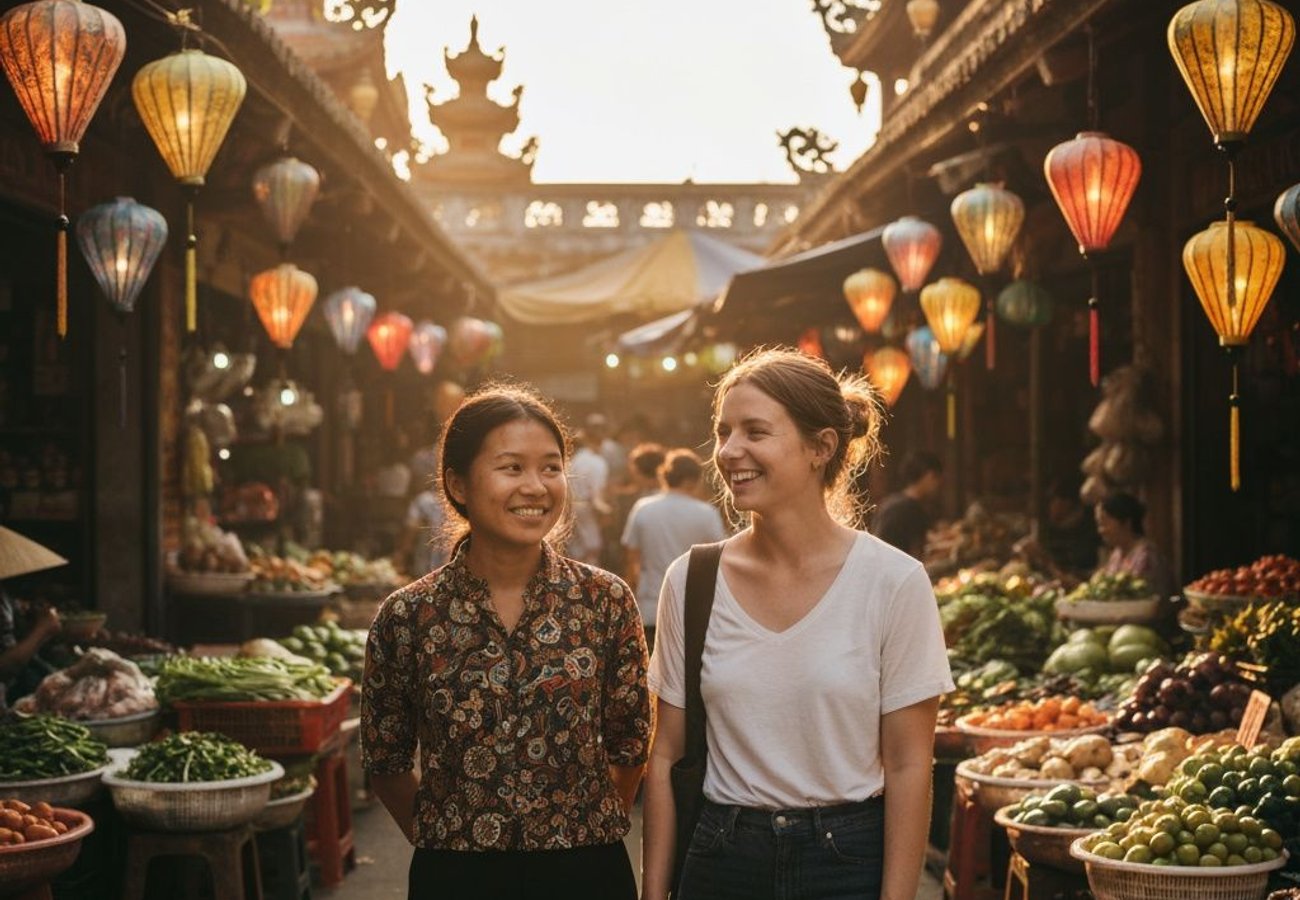
Image generated by AI
The global travel industry is witnessing a seismic shift. What was once fragmented, logistically nightmarish, and prohibitively expensive—international adventure tourism across Asia—is now becoming democratized. I've watched this transformation unfold, and what's emerging is nothing short of revolutionary.
Travelers are no longer interested in the checkbox mentality of traditional tourism. They want depth. They want authenticity. They want to understand cultures, not merely photograph them. And the travel sector has finally caught up.
The New Blueprint: Curated Journeys Replacing Solo Chaos
A new generation of expertly orchestrated group itineraries is opening previously inaccessible cultural experiences across Southeast Asia and the Indian subcontinent. These aren't your grandmother's tour bus experiences. These are intelligently designed, culturally sensitive journeys through Vietnam, Thailand, Laos, Bali, Sri Lanka, and beyond.
The brilliance lies in the operational infrastructure. Tour operators are handling the administrative nightmare—border crossings, permits, local transportation logistics—allowing travelers to focus entirely on immersion and discovery.
Reddit: "Finally, a way to experience Asia deeply without spending six months planning the logistics." — r/travel
From Delhi to the Taj Mahal: India's Heritage Corridor Under New Microscope
Delhi remains the principal gateway for Asia-bound explorers. This sprawling metropolis—layered with centuries of Mughal, colonial, and modern Indian architecture—now operates as a controlled immersion chamber for international visitors. The organized exposure ensures travelers experience the city's complexity: from the dense, fragrant spice markets of Old Delhi to the broad, tree-lined avenues of New Delhi.
What's fascinating is the economic multiplier effect. Organized group visits provide direct financial lifelines to local guides, traditional food vendors, and neighborhood craftsmen. Heritage preservation requires consistent capital. These coordinated visits supply it.
The short journey to Agra introduces the Taj Mahal—perhaps humanity's most recognized architectural achievement. Rather than navigating chaotic, unregulated tourist flows independently, organized visitors experience this white marble masterpiece under carefully managed conditions. The structured arrival times reduce environmental strain on the monument and its surroundings while preserving the quality of the visitor experience.
Jaipur's Pink Palaces and Rajasthan's Royal Legacy
Jaipur, with its distinctive pink-hued stone architecture and geometric urban grid, represents Rajasthan's crowning jewel. The Amber Fort dominates the surrounding hills with massive defensive walls, while the ornate Hawa Mahal (Palace of Winds) reveals the intricate craftsmanship of 18th-century royal builders.
Here's where flexibility becomes crucial: travelers can experience the full Rajasthan circuit in either an extended 21-day journey or a compressed 6-day intensive. This dual-track approach serves both backpackers with unlimited time and professionals constrained by limited vacation days. The modern travel sector finally understands that one-size-fits-all itineraries serve no one effectively.
Wildlife Conservation Meets Adventure Tourism
The itinerary pivots dramatically from architectural heritage to raw wilderness at Ranthambore National Park. This sprawling sanctuary houses endangered Bengal tigers, leopards, and diverse marsh fauna. Travelers embark on low-impact jeep safaris through dry deciduous forests, observing apex predators in completely undisturbed natural habitat.
The conservation economics are compelling: a significant portion of tour revenue flows directly into anti-poaching units and community-led wildlife conservation funds. This creates a powerful financial incentive for local communities to protect their natural resources. Tourism, when structured responsibly, becomes conservation's greatest ally.
Crossing Borders: The Nepal Extension
The journey's most ambitious feature involves seamless cross-border integration into Nepal. Travelers navigate the ancient courtyards of Durbar Square in Kathmandu, witness Hindu shrines and Buddhist stupas coexisting harmoniously, and observe the snow-capped Himalayan range dominating the skyline.
The operational complexity here is staggering. International border protocols, mountain permits, localized transport coordination—tour operators absorb this administrative burden entirely. Travelers detach completely from logistical anxiety and redirect mental energy toward cultural learning. This seamless connectivity between sovereign nations establishes a vital blueprint for future cross-border tourism coordination.
Southeast Asia's Transformation: Vietnam's Timeless Coastlines
The journey across to Vietnam introduces an entirely different cultural register. The classic route from Hanoi traces south through Lan Ha Bay, Phong Nha, and Hoi An, culminating in Ho Chi Minh City.
Lan Ha Bay—less crowded than its famous cousin Ha Long Bay—offers limestone karsts rising from emerald waters, hidden caves, and floating villages untouched by mass tourism. Hoi An presents a remarkably preserved ancient town, where centuries-old architecture reflects Chinese and French colonial influences. The integration of these distinct regional experiences prevents the "same destination, different hotel" monotony that plagues traditional package tours.
Thailand's Island Paradise: Phuket, Krabi, and Beyond
The Thailand segment represents the journey's most leisurely phase. Phuket serves as the northern beach anchor, while Koh Phi Phi and Krabi showcase the dramatic coastal geometry that makes Thailand's Andaman region globally iconic. Limestone cliffs pierce turquoise waters; hidden lagoons reward those willing to venture beyond crowded main beaches.
The critical difference here is timing and crowd management. Organized groups visit during carefully calculated low-peak periods, ensuring that travelers experience Thailand's natural beauty without the overwhelming masses. This operational sophistication elevates the experience from memorable to transformative.
Bali and Ubud: Spiritual Immersion in Indonesia's Cultural Heart
The journey's tropical centerpiece unfolds across Bali. Ubud, nestled in the island's rice-terraced interior, functions as the cultural epicenter. Travelers engage directly with traditional Balinese artisans, observe Hindu rituals in centuries-old temples, and navigate the island's complex spiritual-secular balance.
Gili Trawangan and Sanur offer beach alternatives for those seeking relaxation alongside cultural exploration. The itinerary design allows for both immersive cultural engagement and restorative downtime—a balance that most independent travelers struggle to achieve.
Laos and Luang Prabang: The Journey's Spiritual Climax
Luang Prabang, Laos's crown jewel, represents the itinerary's spiritual culmination. This UNESCO-protected city preserves French colonial architecture alongside 16th-century Buddhist temples. The daily ritual of monks collecting alms at dawn offers a profound window into Southeast Asian spiritual life.
The accessibility of such meaningful cultural experiences through organized frameworks democratizes what was previously the exclusive domain of extended backpackers. A professional with three weeks of vacation can now access experiences that previously required months of solo navigation.
Sri Lanka's Overlooked Gem Status
The inclusion of Sri Lanka highlights a broader industry trend: secondary-tier Asian destinations gaining prominence as primary hubs saturate. This island nation offers heritage, natural landscapes, and local traditions compressed into manageable geography. The competitive pricing on intra-Asia flights and accommodations makes extended stays economically viable for budget-conscious travelers.
The Promotional Window: June 2026's Critical Opportunity
These comprehensively curated journeys operate under promotional constraints: availability extends only until June 21, 2026. This artificial scarcity, whether marketing tactic or genuine capacity limitation, creates decision pressure for interested travelers.
The promotional framework represents more than a simple travel sale. It's an invitation to experience Asia not as fragmented destinations, but as an interconnected cultural and natural continuum. From Indian architectural monuments to Southeast Asian spiritual sanctuaries to pristine island ecosystems, these journeys compress typically months-long solo adventures into logistically manageable, financially accessible experiences.
Why This Matters for Modern Nomads and Legal Professionals
For those working remotely or practicing international law, Asia's accessibility has never been higher. Organized frameworks eliminate planning friction, allowing professionals to integrate extended travel into demanding careers. The ability to disappear for 15-21 days without concerning oneself with logistics—permit requirements, transportation coordination, accommodation booking—represents genuine competitive advantage.
The transformation of Asia from "difficult to navigate" to "accessible and affordable" signals broader shifts in global tourism economics. As Southeast Asia matures as a destination cluster, operational excellence increases and prices compress further. Early adopters accessing 2026's promotional pricing secure extraordinary value.
The Asia travel revolution isn't coming—it's already here, and the window to experience it at introductory pricing closes June 21, 2026.
Related Travel Guides
Disclaimer
This article is for informational and educational purposes only. It does not constitute legal, financial, or professional advice. While we strive to provide accurate and up-to-date information, travel policies, regulations, and conditions change rapidly. Always verify information with official sources before making travel decisions. Nomad Lawyer makes no representations about the accuracy, reliability, completeness, or suitability of the information provided. Readers should consult qualified professionals for advice specific to their circumstances. The views expressed in this article are those of the author and do not necessarily reflect the views of Nomad Lawyer.
Preeti Gunjan
Contributor & Community Manager
A passionate traveller and community builder. Preeti helps grow the Nomad Lawyer community, fostering engagement and bringing the reader experience to life.
Learn more about our team →