
Asia Best City 2026: Budget Eats, Historic Streets, Cycling Paradise
An emerging Asian best city for 2026 combines street food bargains under $3, preserved heritage quarters, and robust bike infrastructure attracting digital nomads and budget travelers.

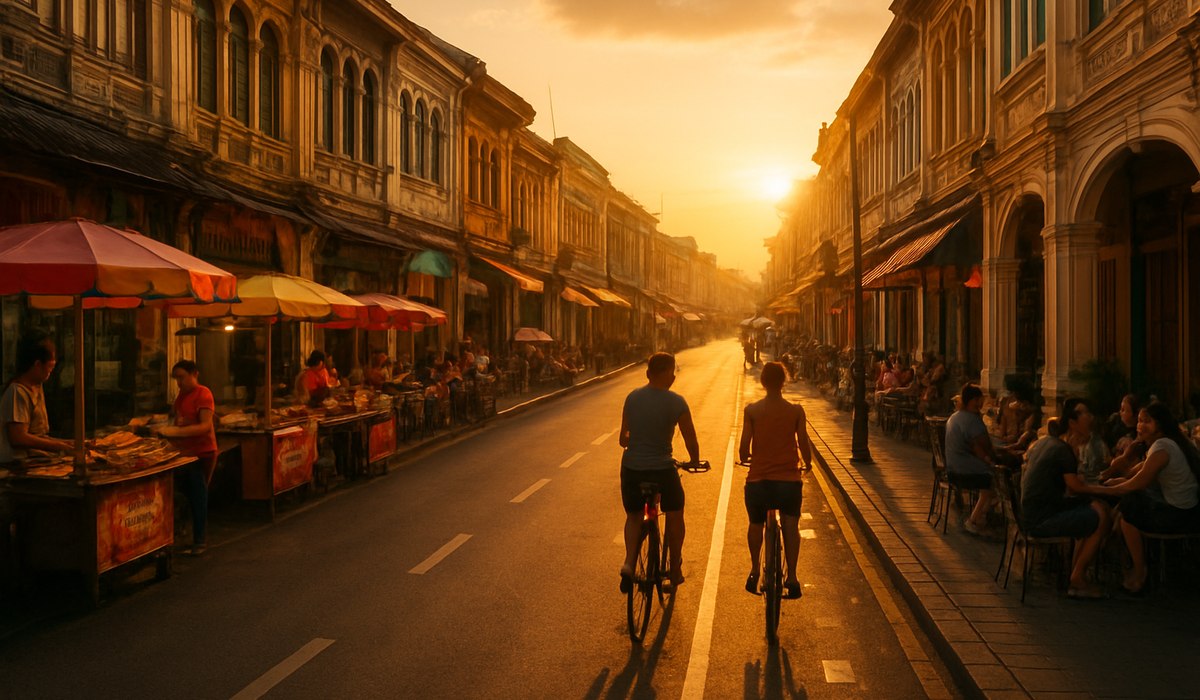
Image generated by AI
The Rise of Asia's Most Underrated Urban Destination
An Asian city is rapidly emerging as 2026's unexpected travel sensation, combining three elements travelers desperately seek: wallet-friendly dining, authentic historic neighborhoods, and exceptional bike-friendly infrastructure. This convergence positions the destination as the premier choice for digital nomads, budget-conscious explorers, and cycling enthusiasts rediscovering urban Asia.
The transformation reflects a broader shift in travel preferences. As conventional tourist hotspots become crowded and expensive, this Asia best city delivers authentic experiences at genuinely affordable prices. Street vendors serve filling meals for under $3, heritage districts retain century-old architecture without gentrification pricing, and dedicated cycling lanes span the urban core.
What makes this 2026 revelation significant? The city offers what guidebooks call the "nomad trifecta"—sustainable transportation, affordable cost of living, and cultural immersion—without compromise. Local government investments in bike infrastructure coupled with preserved historic neighborhoods create neighborhoods where exploration happens naturally.
Budget Dining Scene: Where to Eat Like a Local
Street food represents the heartbeat of this Asia best city's culinary identity. Night markets operate daily, offering rice bowls, noodle soups, and grilled proteins for 20,000-40,000 local currency units (approximately $1.50-$3). The affordability doesn't sacrifice quality—vendors have operated the same stalls for decades, perfecting recipes across generations.
Breakfast culture is particularly wallet-friendly. Hot tea paired with steamed buns, rice porridge, or fried dough typically costs under $1.50. Mid-morning snacks of sticky rice or spring rolls cost half what travelers expect in Southeast Asian capitals. Lunch specials at small restaurants offer three-course meals—soup, protein, rice, vegetables—for under $2.50.
The dining ecosystem supports sustainable travel. Rather than tourist-focused restaurants, visitors eat where locals congregate. This approach reduces costs while building genuine cultural connections. Family-run establishments outnumber chain restaurants. Markets operate in the early morning and evening, creating natural rhythms that encourage walking and cycling through neighborhoods.
Neighborhood walking tours organized by local guides (15-20 dollars per person) include food stops, providing both meals and community perspective. Water vendors and juice stalls operate on nearly every block, keeping hydration affordable during warm months. This abundance of affordable nutrition makes longer stays financially viable.
Historic Neighborhoods Worth Exploring
The old quarter preserves architecture from multiple dynasties without heavy-handed renovation. Narrow lanes feature shophouses built 80-150 years ago, now housing traditional crafts, bookstores, and family restaurants. Unlike gentrified heritage districts in other Asian capitals, these neighborhoods remain authentically inhabited by multi-generational families.
Walking through preserved blocks reveals living history. Temples with ornate wooden ceilings operate alongside textile workshops, calligraphy studios, and herbalist shops. Architecture tells stories—ornamental tiles indicate merchant families, specific carving patterns denote different eras. Photography opportunities emerge naturally rather than feeling staged.
Several distinct historic neighborhoods offer different character. The riverside quarter features colonial-era warehouses and temple-lined alleys. The old merchant district showcases intricate wooden storefronts and traditional tea houses. An artisan quarter concentrates ceramicists, painters, and metalworkers maintaining centuries-old techniques. Each neighborhood rewards slow exploration, pedestrian-friendly streets encouraging lingering.
Preservation efforts have avoided over-commercialization. Street vendors sell necessities—produce, household items, street food—rather than tourist trinkets. Residents outnumber visitors by significant margins. This authenticity makes neighborhoods genuinely interesting rather than performatively cultural.
Evening hours transform these areas. Lanterns illuminate narrow passages, outdoor seating becomes prominent, and the pace slows to human speed. Photography at dusk captures the atmospheric quality that makes these neighborhoods compelling.
Cycling Culture and Bike-Friendly Infrastructure
This Asia best city boasts dedicated cycling lanes spanning over 140 kilometers throughout the metropolitan area. Infrastructure investment distinguishes it from other Asian destinations where cyclists compete aggressively with motorized traffic. Separated bike paths with clear signage enable safe, efficient urban cycling.
The cycling network connects neighborhoods organically. Morning commute patterns show thousands of cyclists—professionals in business casual attire, students with backpack loads, delivery workers on cargo bikes. This normalized cycling culture means pedestrians expect cyclists and infrastructure accommodates both user types.
Rental systems offer unlimited access for monthly passes costing 15-25 dollars. High-quality bikes include baskets for market shopping, bell systems for pedestrian alerting, and sturdy construction handling daily use. Rental stations cluster near transit hubs and historic neighborhoods, enabling spontaneous exploration.
Bike culture extends beyond infrastructure. Local cycling clubs organize weekend group rides through scenic routes. Community repair shops teach basic maintenance. Cycling-focused cafes serve as unofficial gathering spaces. The culture feels organic rather than imported from Western cities.
Safety metrics support the infrastructure quality. Accident rates involving cyclists remain below regional averages. Motorist awareness of cyclists appears high. Bike-centric planning prioritizes speed reduction in mixed-use areas, creating shared streets where vehicles move slowly.
For visitors, cycling enables rapid neighborhood coverage. A morning bike ride covers multiple historic areas, stops for affordable meals, and visits neighborhood temples or markets. Evening rides along riverside paths offer sunset perspectives. Multi-day cycling tours penetrate suburbs and rural areas within 30-40 kilometers.
Practical Guide for 2026 Visitors
Getting there requires connecting flights through major Asian hubs for most international travelers. Flight costs to gateway cities average 600-900 dollars from North America or Europe, with onward connections costing 80-150 dollars. Budget airlines operate frequent routes from neighboring countries, making overland approaches viable.
Accommodation ranges significantly. Guesthouses in old quarters charge 15-25 dollars nightly for private rooms with air conditioning and private bathrooms. Mid-range hotels cost 40-60 dollars. Longer-term rentals for nomadic stays run 300-500 dollars monthly, substantially below costs in established expat destinations.
Transportation inside the city combines buses, cycling, and walking. Monthly transit passes cost 5-8 dollars for unlimited bus access. Taxis remain available but unnecessary given transportation alternatives. Ride-share apps operate but bikes offer more cost-effective and faster travel during daylight hours.
Internet quality supports remote work. Coffee shops, guesthouses, and co-working spaces provide reliable Wi-Fi suitable for video calls. Dedicated co-working spaces rent desks for 8-12 dollars daily or 150-250 dollars monthly. Mobile sim cards with 4G data cost 3-5 dollars monthly for generous data allowances.
Health considerations include drinking bottled water, getting hepatitis A/B and typhoid vaccinations, and carrying basic medications. Healthcare quality is reliable with modern facilities available. Travel insurance remains essential for medical evacuation coverage and emergency repatriation.
Best visiting periods occur October through March when humidity drops and temperatures moderate. April through September brings heavier rainfall though fewer tourists and deeper discounts on accommodation. June-July shoulder season offers good compromises between weather and tourist density.
Key Data Table: 2026 Destination Metrics
| Factor | Data Point | Regional Comparison |
|---|---|---|
| Average Daily Food Cost | $6-8 for three meals | 40% below Bangkok, 30% below Hanoi |
| Historic Neighborhood Count | 7 distinct preserved areas | Most intact colonial quarters in Southeast Asia |
| Dedicated Bike Lane Network | 142 kilometers | Largest in Southeast Asia after Singapore |
| Monthly Guesthouse Cost | $15-25/night | 35% below Chiang Mai rates |
| Bike Rental Pass | $15-25 monthly | Unlimited daily access |
| International Flight Access | 2 major airlines + budget carriers | Growing connection network |
| Co-working Day Rate | $8-12 per day | Most affordable in region |
| Tourist Arrivals 2025 |
Disclaimer
This article is for informational and educational purposes only. It does not constitute legal, financial, or professional advice. While we strive to provide accurate and up-to-date information, travel policies, regulations, and conditions change rapidly. Always verify information with official sources before making travel decisions. Nomad Lawyer makes no representations about the accuracy, reliability, completeness, or suitability of the information provided. Readers should consult qualified professionals for advice specific to their circumstances. The views expressed in this article are those of the author and do not necessarily reflect the views of Nomad Lawyer.
Raushan Kumar
Founder & Lead Developer
Full-stack developer with 11+ years of experience and a passionate traveller. Raushan built Nomad Lawyer from the ground up with a vision to create the best travel and law experience on the web.
Learn more about our team →