
Arizona Wildly Underrated: 11 Hidden Towns Beyond Phoenix
Arizona wildly underrated towns offer digital nomads and remote workers authentic desert culture, outdoor recreation, and affordable living in 2026. Beyond Phoenix and Sedona lies untapped charm.

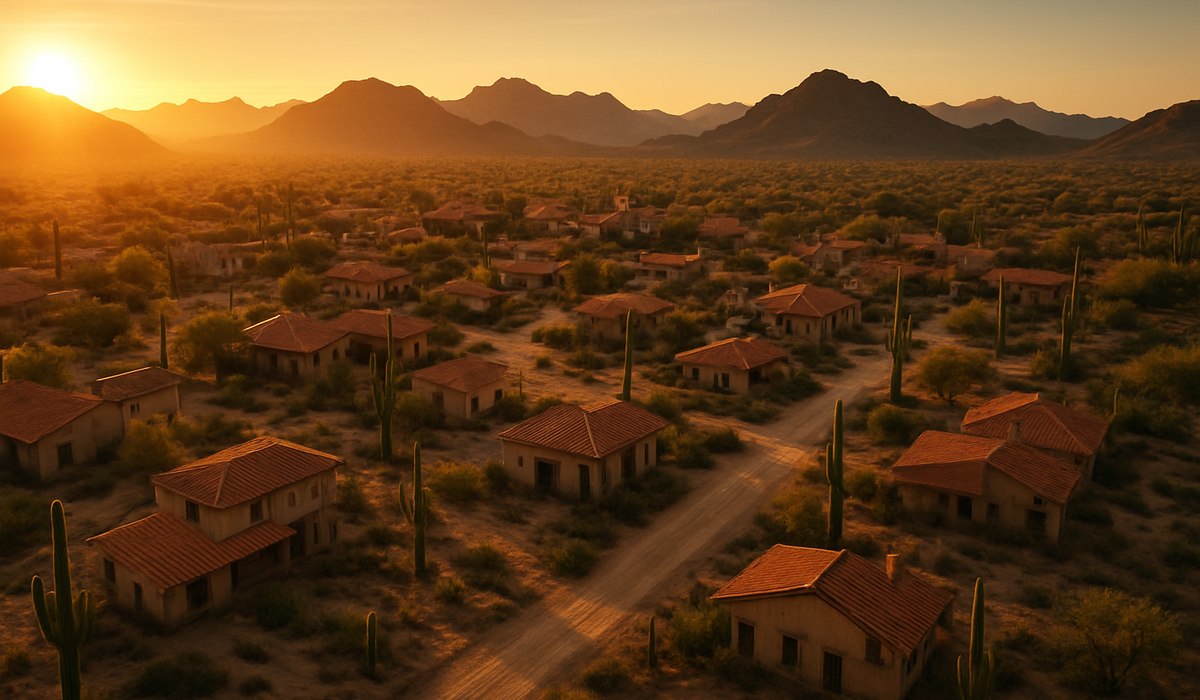
Image generated by AI
Why Arizona's Lesser-Known Towns Are Drawing Global Nomads in 2026
Arizona's hidden gem towns are experiencing a quiet surge in popularity among remote workers and location-independent professionals seeking alternatives to crowded Phoenix and Sedona. These underrated Arizona destinations deliver authentic desert experiences, rich cultural heritage, and sustainable outdoor recreation without the tourist infrastructure costs. From mountain villages nestled in pine forests to historic mining towns reimagined as creative hubs, Arizona wildly underrated communities now attract digital nomads seeking affordability, community, and genuine local connection in 2026.
The shift reflects broader travel trends prioritizing authentic experiences over mass tourism. Remote workers increasingly choose smaller towns where rental prices remain under $1,200 monthly and five-star coffee culture meets desert solitude.
Desert Escapes: Remote Towns for Digital Nomads
Arizona's desert towns offer the quintessential digital nomad setup: reliable internet infrastructure, outdoor recreation access, and welcoming communities. Towns like Bisbee have transformed into creative quarters with co-working spaces, art galleries, and eclectic cafes supporting laptop-toting professionals.
Bisbee's historic Victorian architecture contrasts with its contemporary art scene. The town once thrived on copper mining; today it attracts artists, writers, and remote workers. Monthly co-living spaces rent for $900–$1,300, making it considerably cheaper than major metropolitan tech hubs. The community hosts weekly meetups for remote workers at local establishments.
Sedona's quieter cousin, Jerome, sits perched on a hillside with narrow streets and boutique shops. This former mining town balances tourism with authentic local culture. Jerome offers artistic inspiration, hiking trails beginning within walking distance, and a growing number of digital nomad accommodations. Winter months see influxes of snowbird remote workers seeking desert warmth while maintaining productivity.
Bisbee's official tourism site catalogs current co-working facilities and accommodations tailored to extended stays.
Mountain Retreats and Outdoor Adventure Hubs
Arizona wildly underrated mountain towns provide escapes from desert heat while offering serious outdoor infrastructure. Flagstaff, though increasingly popular, still maintains affordability compared to western mountain communities. This college town supports active outdoor culture with access to the San Francisco Peaks and numerous hiking trails.
Prescott combines small-town atmosphere with genuine outdoor credentials. Elevation pushes temperatures to comfortable ranges year-round. The town square hosts farmer markets, live music, and hosts a thriving creative community. Monthly rent averages $1,100, with studios available downtown near coffee shops and coworking cafes.
Older mining communities like Superior and Globe are experiencing renaissance moments. Globe's proximity to desert canyons, lakes, and wilderness areas makes it ideal for adventure-focused remote workers. Both towns offer low cost of living combined with immediate access to outdoor activities that would require weekend drives from larger metros.
Arizona Trail Association maintains comprehensive trail databases across these mountain town regions.
Towns Rich in History and Local Culture
Arizona's underrated communities preserve genuine frontier heritage and multicultural legacies. Tucson, Arizona's second-largest city, offers urban amenities with authentic local character often overlooked by tourists. Neighborhoods like Barrio Viejo showcase Spanish colonial architecture and indigenous artistic traditions.
Tubac, just north of the Mexican border, represents one of Arizona's oldest European settlements. The town evolved from Spanish mission outpost to modern artistic community. Adobe architecture and gallery spaces attract creative professionals. The mild winter climate and cultural proximity to Mexico create unique trilingual community dynamics.
Nogales straddles the Arizona-Mexico border, creating a vibrant binational town culture. Walking between countries takes minutes; this geographic reality shapes authentic local experiences unavailable in typical US towns. Markets, restaurants, and cultural events reflect direct Mexican influence and strong community bonds.
Yuma preserves agricultural heritage while modern remote workers discover underrated livability. Historic downtown areas undergo thoughtful restoration, combining local history preservation with contemporary amenities.
Affordable Living and Community for Remote Workers
Arizona wildly underrated towns fundamentally challenge digital nomad assumptions about location costs. Extended stays in places like Bisbee and Superior cost 40–60% less than equivalent housing in Austin, Denver, or Portland.
Co-living communities are emerging specifically for remote workers. These spaces provide reliable internet, professional workspaces, and pre-built social networks. Monthly costs typically include utilities, wifi, and access to community events—simplifying logistics for nomads planning extended Arizona stays.
Community matters equally to cost. Smaller towns naturally facilitate local connections through farmers markets, community meetups, and neighborhood events. Remote workers report higher satisfaction in underrated Arizona towns where they can establish genuine local relationships rather than remaining isolated in larger metros.
Library systems across these towns increasingly support remote work, offering free high-speed internet and professional meeting spaces. Many municipal governments actively court digital nomads, recognizing economic contributions from remote work spending.
Key Data: Arizona's Underrated Towns Comparison
| Town | Population | Avg. Rent (1BR) | Primary Appeal | Elevation (ft) |
|---|---|---|---|---|
| Bisbee | 1,190 | $1,150 | Art & Mining Heritage | 5,300 |
| Jerome | 430 | $1,200 | Historic Charm & Views | 5,380 |
| Prescott | 10,590 | $1,100 | Mountain Culture & Outdoor Access | 5,430 |
| Globe | 7,460 | $950 | Desert Canyons & Affordability | 3,520 |
| Tubac | 2,100 | $1,300 | Binational Culture & Art Scene | 2,920 |
| Flagstaff | 76,080 | $1,400 | College Town & Peak Access | 6,910 |
Data sourced from 2026 Arizona Department of Housing surveys and rental market analysis. Figures represent approximate ranges and fluctuate seasonally.
What This Means for Travelers in 2026
Arizona wildly underrated towns present measurable advantages for remote workers, digital nomads, and location-independent professionals planning extended stays:
-
Cost Advantage: Securing housing under $1,100 monthly in communities with strong outdoor access and cultural offerings remains feasible in Arizona's lesser-known towns—a rarity in competitive digital nomad destinations.
-
Infrastructure Quality: Improving broadband investment and emerging co-working spaces mean these towns now support professional remote work without sacrificing quality of life or outdoor recreation access.
-
Cultural Authenticity: Smaller populations and lower tourism density preserve genuine local character. Visitors become community members rather than seasonal tourists, enabling meaningful cultural exchange.
-
Seasonal Flexibility: Mountain towns provide cool summer escapes; desert communities offer mild winters. Arizona's geography enables year-round comfort through strategic town selection based on personal temperature preferences.
-
Outdoor Integration: Trail systems, climbing areas, paddling destinations, and desert exploration begin within minutes of town centers—not hours of weekend driving.
-
Community Building: Smaller remote worker populations foster collaborative networks. Digital nomads in these towns frequently establish co-working arrangements and social groups specifically for location-independent professionals.
FAQ: Arizona's Underrated Towns
Q: Which Arizona town offers the best internet for remote workers? A: Prescott and Flagstaff maintain the most reliable broadband infrastructure due to larger populations and municipal investment. Bisbee, Jerome, and Globe have improved significantly but may require verification before committing to extended stays. Contact local chambers of commerce for current speed testing results.
Q: Are Arizona's underrated towns safe for solo travelers? A: Arizona's smaller communities generally maintain lower crime rates than national averages. Bisbee, Prescott, and Tubac welcome solo travelers frequently. Exercise standard urban awareness practices; speak with local tourism boards about current neighborhood conditions and safe areas.
**Q:
Disclaimer
This article is for informational and educational purposes only. It does not constitute legal, financial, or professional advice. While we strive to provide accurate and up-to-date information, travel policies, regulations, and conditions change rapidly. Always verify information with official sources before making travel decisions. Nomad Lawyer makes no representations about the accuracy, reliability, completeness, or suitability of the information provided. Readers should consult qualified professionals for advice specific to their circumstances. The views expressed in this article are those of the author and do not necessarily reflect the views of Nomad Lawyer.
Raushan Kumar
Founder & Lead Developer
Full-stack developer with 11+ years of experience and a passionate traveller. Raushan built Nomad Lawyer from the ground up with a vision to create the best travel and law experience on the web.
Learn more about our team →