
Arizona Reaches Record Tourism Jobs as US Travel Economy Climbs
Arizona's tourism sector supported a record 326,359 jobs in 2025 despite a dip in overnight stays, demonstrating a shift toward higher-value travel spending.

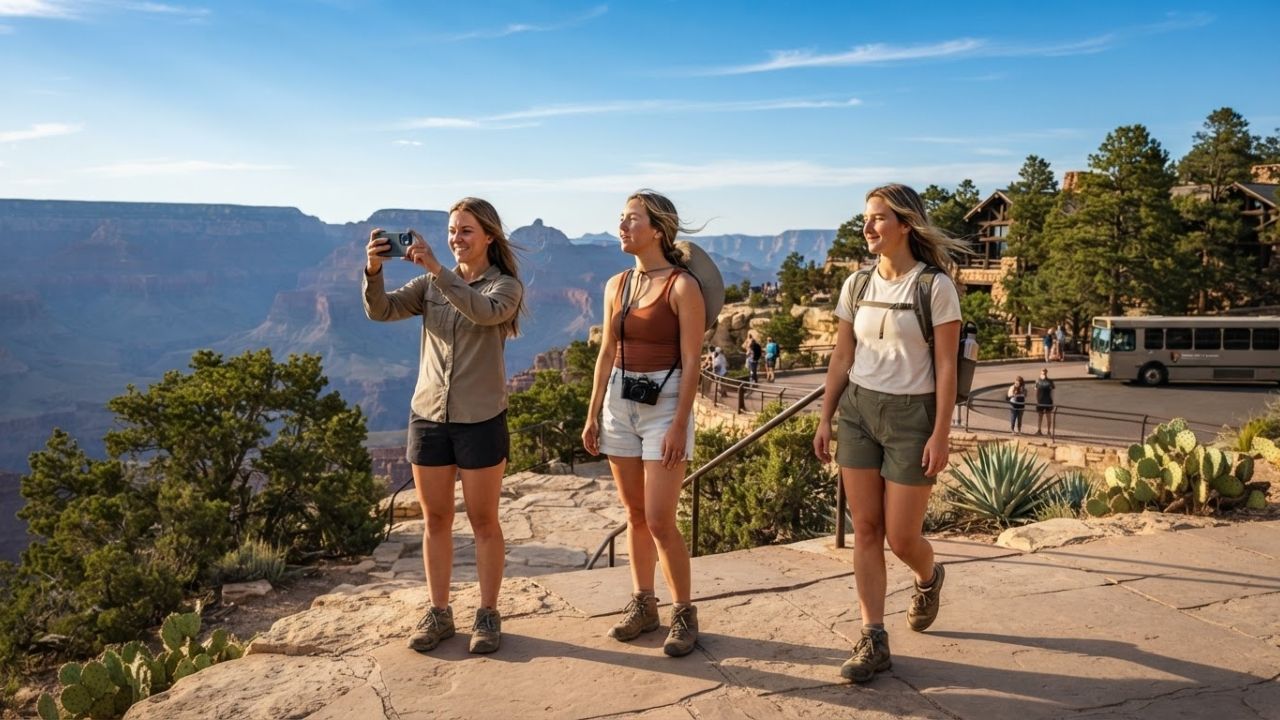
Image generated by AI
Arizona’s tourism sector supported a record 326,359 jobs in 2025, demonstrating that local travel economies can expand even when domestic overnight visitor volumes soften. The workforce expansion highlights a shift across major US destinations, where success is increasingly measured by visitor spending and local job creation rather than arrival numbers alone.
Quality Over Quantity: Analyzing Arizona's Economic Shift
Research from the Arizona Office of Tourism (AOT) indicates that the state's travel workforce increased by 0.6% in 2025, up from 324,136 jobs in 2024. Direct tourism employment alone climbed 0.7% to 195,190 jobs, compared to 193,856 in the previous year. This employment growth occurred despite a decline in domestic overnight visitor arrivals, proving that travel economies can remain resilient by capturing higher-value traveler spend.
In 2024, Arizona welcomed 41.16 million domestic overnight visitors, generating $29.7 billion in direct travel spending. This activity generated $4.3 billion in local, state, and federal tax revenues, while providing $9.3 billion in wages for tourism workers. The state's budget planning shows that over 196,000 jobs are directly linked to travel spending, with tourism taxes contributing nearly 7% of the Arizona General Fund. These figures illustrate the critical role that travel plays in supporting public services, with visitor expenditures acting as a steady source of revenue that helps fund infrastructure and community programs throughout the state.
Arizona’s Regional Industry Sector Employment Base
Direct employment represents the workers immediately serving visitors, while the total impact includes indirect jobs among suppliers and induced jobs created when tourism workers spend their earnings locally. The accommodation and food services sector remains the state's largest tourism employer, followed by recreation, transport, and trade. Indirect employment spreads into areas like professional services, linen supply, food distribution, and accounting firms, which support hospitality operators.
| Industry group | Direct jobs | Indirect jobs | Induced jobs | Total employment impact |
|---|---|---|---|---|
| Accommodation & Food Services | 102,857 | 7,607 | 9,125 | 119,588 |
| Arts, Entertainment & Recreation | 47,814 | 4,078 | 1,990 | 53,882 |
| Transport | 26,782 | 9,494 | 3,791 | 40,066 |
| Trade | 16,403 | 2,400 | 12,302 | 31,104 |
| Professional & Business Services | — | 17,377 | 7,791 | 25,168 |
| Financial Activities | — | 18,146 | 8,992 | 20,837 |
| Education & Health Services | — | 379 | 15,386 | 15,765 |
Protecting Natural Resources and Supporting Rural Economies
Visitor spending is distributed across all 15 Arizona counties, benefiting small and medium enterprises (SMEs) in rural communities near major parks. State conservation programs and local park services encourage eco-friendly travel practices to protect desert ecosystems, such as the Grand Canyon. The Arizona Office of Tourism partners with Leave No Trace to educate travelers on reducing their environmental footprint while visiting sensitive ecosystems. By choosing local guides and purchasing native crafts, travelers directly support indigenous communities and regional conservation efforts.
Detailed tracking of lodging taxes, state park admissions, and national park entries helps local authorities manage visitor impacts. This data allows the state to allocate resources to preserve natural heritage while maintaining quality jobs.
| Year | Domestic overnight visitors | Direct travel spending | Direct tourism jobs | Total tourism-supported jobs |
|---|---|---|---|---|
| 2023 | Approx. 40.9m | Approx. $29.4bn | Approx. 187,847 | Below 324,136 |
| 2024 | 41.16m | $29.7bn | 193,856 | 324,136 |
| 2025 reported | Declined | To be confirmed | 195,190 | 326,359 |
Strategic Travel Employment Across Key US Markets
Similar resilience is visible across other major US tourism destinations. California continues to lead the national travel economy, supporting around 1.2 million jobs in 2025. The state added approximately 4,350 positions (a 0.4% increase) as visitor spending reached a record $158.9 billion. Visit California has focused on promoting road trips and scenic routes through rural counties, distributing visitor spending more evenly across the state to relieve pressure on urban centers and support local merchants.
Florida supports approximately 1.8 million jobs, maintaining one of the nation's largest visitor-supported workforces. In Nevada, the visitor economy supports over 300,000 direct jobs, driven by entertainment and resort industries that welcomed nearly 49 million visitors in 2025. Hawaii offers another clear example of spending outperforming volume; visitor arrivals declined 0.6% in 2025, but visitor expenditure rose 5.7% to $21.75 billion, supporting 227,157 jobs. The Hawaii Tourism Authority’s shift toward destination management focuses on attracting high-spending, respectful visitors rather than increasing pure visitor volume. Tennessee's workforce stands at 194,820 jobs, supported by music and outdoor corridors.
| US State | Tourism Employment | Reporting Period | Employment Scenario |
|---|---|---|---|
| California | Around 1.2 million | 2025 | Added approximately 4,350 jobs |
| Florida | Around 1.8 million | Latest full official impact data | One of the largest visitor-supported workforces |
| Arizona | 326,359 | 2025 | Record employment, up 0.6% |
| Nevada | 300,000+ direct jobs | Latest official state figure | Visitor economy remains a major jobs engine |
| Hawaii | 227,157 | Latest full impact model | High spending supported a resilient visitor economy |
| Tennessee | Approx. 194,820 | Latest official estimate | Major employment supported by diverse destinations |
Visitor Insider Guide: Navigating Arizona's Diverse Regions
To maximize the benefits of a trip to Arizona while traveling responsibly, visitors should follow these practical local tips:
- Best Travel Windows: Explore the southern desert areas (Phoenix and Tucson) during the shoulder months of October/November or March/April to avoid extreme summer heat and winter crowds. Northern mountain areas like Flagstaff are best visited in late spring or early autumn.
- Cultural Etiquette: When visiting Native American reservations, obtain all required tribal permits for hiking or photography. Respect sacred sites on lands belonging to the Navajo Nation or Havasupai reservation, and always request permission before photographing local residents.
- Traditional Gastronomy: Taste a native Sonoran hot dog, wrapped in bacon and topped with pinto beans, onions, tomatoes, and jalapeño salsa. Also try Navajo frybread tacos, topped with ground beef, beans, and fresh vegetables.
- Under-the-Radar Stops: Explore the unique rock spires at Chiricahua National Monument in southeastern Arizona, or secure a wilderness permit for a quiet hike through the lush canyon walls of Aravaipa Canyon.
Shifting Indicators and the Future of US Tourism
The U.S. Travel Association highlights uneven conditions between domestic and international travel segments, emphasizing the need for diversified marketing. Destinations that focus on increasing visitor yield, supporting local suppliers, and protecting regional heritage are best positioned to maintain stable employment. This approach ensures that travel remains a positive force for both visitors and residents, preserving local resources for future generations.
By linking cities, parks, and cultural corridors, states can build resilient travel models. Arizona's jobs record demonstrates that travel remains a primary driver of economic growth, even as visitor patterns continue to evolve.
Related Travel Guides
Peru Capitalizes on Pope Leo XIV’s Legacy to Build La Ruta de León
Peru Tourism Growth 2026: Chile and Ecuador Drive Surge Toward 4 Million Visitor Goal
Disclaimer
This article is for informational and educational purposes only. It does not constitute legal, financial, or professional advice. While we strive to provide accurate and up-to-date information, travel policies, regulations, and conditions change rapidly. Always verify information with official sources before making travel decisions. Nomad Lawyer makes no representations about the accuracy, reliability, completeness, or suitability of the information provided. Readers should consult qualified professionals for advice specific to their circumstances. The views expressed in this article are those of the author and do not necessarily reflect the views of Nomad Lawyer.
Raushan Kumar
Founder & Lead Developer
Full-stack developer with 11+ years of experience and a passionate traveller. Raushan built Nomad Lawyer from the ground up with a vision to create the best travel and law experience on the web.
Learn more about our team →