
Ancient Rome Still Lives Here: Traces of the Empire in Modern Streets
Discover how Ancient Rome persists in modern city streets. Explore Piazza Navona, Via del Corso, the Pantheon, and hidden Roman infrastructure beneath modern Rome.

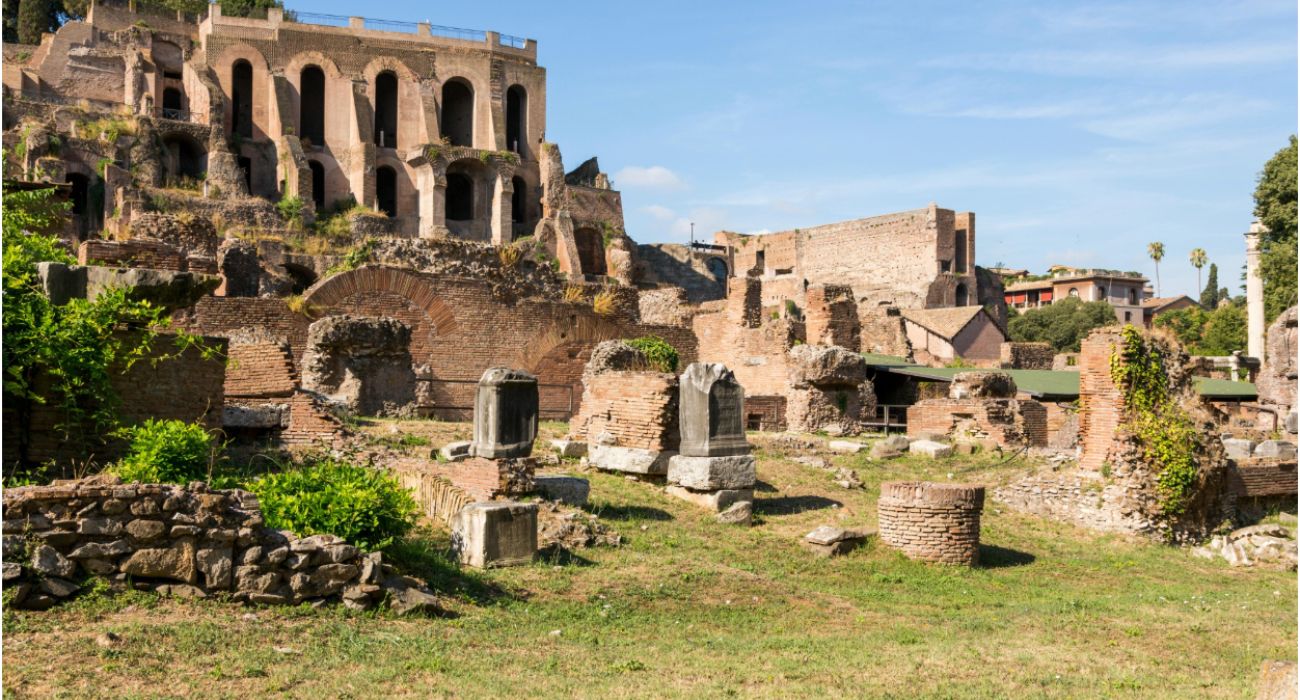
Image generated by AI
Rome is often described by archaeologists as a "lasagna city" — a vertical timeline where modern asphalt rests directly upon Renaissance cobblestones, which in turn sit atop the marble foundations of the Caesars. To walk through the modern capital of Italy is to navigate a living archaeological site where the Roman Empire hasn't so much disappeared as it has been recycled. For those eager to navigate these layers with expert guidance, find more info at https://www.freetour.com/rome, where local guides bridge the gap between the chaotic modern city and its imperial ghost.
The persistence of Rome is not accidental. The engineers of the Empire built with such structural integrity and spatial logic that modern urban planners over the last millennium have found it easier to build over Roman infrastructure than to replace it.
The Ghost of the Stadium: Piazza Navona
Perhaps the most striking example of Roman urban planning dictating modern life is Piazza Navona. While today it is a Baroque masterpiece featuring Bernini's fountains and elegant outdoor cafes, its very shape was determined nearly 2,000 years ago.
The Stadium of Domitian
The piazza sits exactly on the site of the Stadium of Domitian, commissioned in AD 80. Unlike the Colosseum, which was built for gladiatorial combat, this stadium was designed for Agone (Greek-style athletic competitions) such as footraces and wrestling.
The Shape: The long, rectangular curve with a rounded end is the exact footprint of the ancient track.
The Foundations: The modern buildings surrounding the square were not built from scratch; they were constructed directly into the remains of the stadium's original brick-and-concrete bleachers.
The Underground: If you descend into the basements of several buildings on the northern end of the piazza, you can still see the original travertine arches of the stadium's entrance, preserved beneath the street level.
The Highway to the Past: Via del Corso
Modern Rome's most famous shopping street, Via del Corso, is a direct descendant of the Roman Via Lata (Wide Way). In antiquity, this road was the final stretch of the Via Flaminia, the great highway that connected Rome to the Adriatic coast.
According to World History Encyclopedia's records on Roman Engineering, the Empire's road network was so efficiently surveyed that many modern European highways still follow the exact lines established by Roman legionaries. In the case of Via del Corso, the street has remained the central artery of the city for over two millennia, evolving from a military route to a Renaissance horse-racing track, and finally to a hub of modern commerce.
Architecture as a Living Organism
The Romans were masters of the arch and opus caementicium (Roman concrete), materials that have proved nearly indestructible. In many cases, ancient structures were simply "walled in" to create new dwellings.
The Theater of Marcellus
Walking toward the Jewish Ghetto, you will encounter a building that looks remarkably like a smaller version of the Colosseum with Renaissance apartments perched on top. This is the Theater of Marcellus. Completed in 13 BC, it was converted into a fortified palace in the Middle Ages and later into luxury apartments. Today, families still live in the upper tiers of a structure that once hosted 15,000 Roman spectators.
The Pantheon's Enduring Dome
The Pantheon is arguably the world's best-preserved Roman building, largely because it has been in continuous use since AD 125. Its concrete dome remains the largest unreinforced concrete dome in the world. As detailed by UNESCO World Heritage Centre, the "Historic Centre of Rome" is protected specifically because of this unique continuity, where ancient monuments serve as the literal anchors for modern civic identity. The Pantheon transitioned from a pagan temple to a Christian church, which protected it from being stripped for parts during the medieval period.
Traces Under the Pavement: The Infrastructure of Daily Life
Beyond the massive monuments, the Roman Empire survives in the small, functional details of the streets that many tourists walk past without a second glance.
The Nasone: Rome's iconic curved drinking fountains, known as nasoni (big noses), are the modern face of an ancient tradition. Rome was the first city in history to provide free, flowing water to its citizens through a massive network of aqueducts. The modern water system, managed by ACEA, still utilizes some of these ancient gravity-fed routes.
San Clemente Basilica: To see the "lasagna" in action, one must visit the Basilica of San Clemente. Here, a 12th-century church is built directly on top of a 4th-century basilica, which itself was built over a 1st-century Roman house and a temple to the god Mithras. Visitors can descend through the levels, hearing the sound of an ancient Roman underground stream still flowing through the lowest pipes.
The Cloaca Maxima: One of the world's earliest sewage systems is still partially functional today. The "Greatest Sewer" was built in the 6th century BC and continues to drain storm water from the Forum area into the Tiber River.
Why Rome Still Lives
The reason Ancient Rome still "lives" in the modern streets is a combination of utility, engineering, and cultural reverence. The Romans built to last in aeternum (forever), and their successors found it more practical to adapt these titanic structures than to try and demolish them.
The city's layout — its radiating roads, its public squares (the ancient fora), and its subterranean drainage — is the blueprint of the Western urban world. When you stand in a traffic jam near the Roman Forum, you aren't just in a modern city; you are moving through a 2,700-year-old architectural conversation. The Empire didn't fall; it just became the floor beneath your feet.
By seeking out these hidden traces, travelers can begin to see Rome not as a collection of ruins, but as a persistent, living entity that refuses to be relegated to the history books. Whether it is the curve of a wall in a pizza shop or the straight line of a shopping street, the hand of the Roman architect is still guiding the movement of the modern Roman citizen.
Frequently Asked Questions
Q: Can tourists visit the underground Roman ruins in Rome? A: Yes, many sites offer tours through underground layers. San Clemente Basilica is the most accessible, with a small fee for descent to lower levels. Other sites like the Palazzo Massimo and Vatican Museums also showcase Roman artifacts and structures.
Q: Are the Roman aqueducts still in use today? A: Partially. While modern Rome uses contemporary water systems, some ancient aqueduct routes still function for drainage and water management. The iconic nasone fountains draw from both ancient and modern infrastructure.
Q: How old is the Pantheon's dome? A: The Pantheon's dome was built in AD 125, making it nearly 1,900 years old. It remains the world's largest unreinforced concrete dome and is still structurally sound.
Q: What is the best time to explore Rome's archaeological sites? A: Early morning or late afternoon visits avoid crowds. Spring (April-May) and fall (September-October) offer pleasant weather and manageable tourist numbers.
Q: How can I access the Roman Forum and Colosseum? A: Both sites charge entry fees and can be visited independently or via guided tours. Combination tickets often provide savings and access to multiple monuments.
Plan your journey through Ancient Rome and discover why this timeless city continues to captivate millions of travelers each year.
Disclaimer
This article is for informational and educational purposes only. It does not constitute legal, financial, or professional advice. While we strive to provide accurate and up-to-date information, travel policies, regulations, and conditions change rapidly. Always verify information with official sources before making travel decisions. Nomad Lawyer makes no representations about the accuracy, reliability, completeness, or suitability of the information provided. Readers should consult qualified professionals for advice specific to their circumstances. The views expressed in this article are those of the author and do not necessarily reflect the views of Nomad Lawyer.
Kunal K Choudhary
Co-Founder & Contributor
A passionate traveller and tech enthusiast. Kunal contributes to the vision and growth of Nomad Lawyer, bringing fresh perspectives and driving the community forward.
Learn more about our team →