
Amsterdam Plans Higher Tourist Tax and Cruise Terminal Closure by 2030
Amsterdam escalates tourism control with 20% tourist tax hike and cruise terminal closure by 2030. The Dutch capital targets overtourism relief through aggressive policy measures affecting cruise operators and visitors.

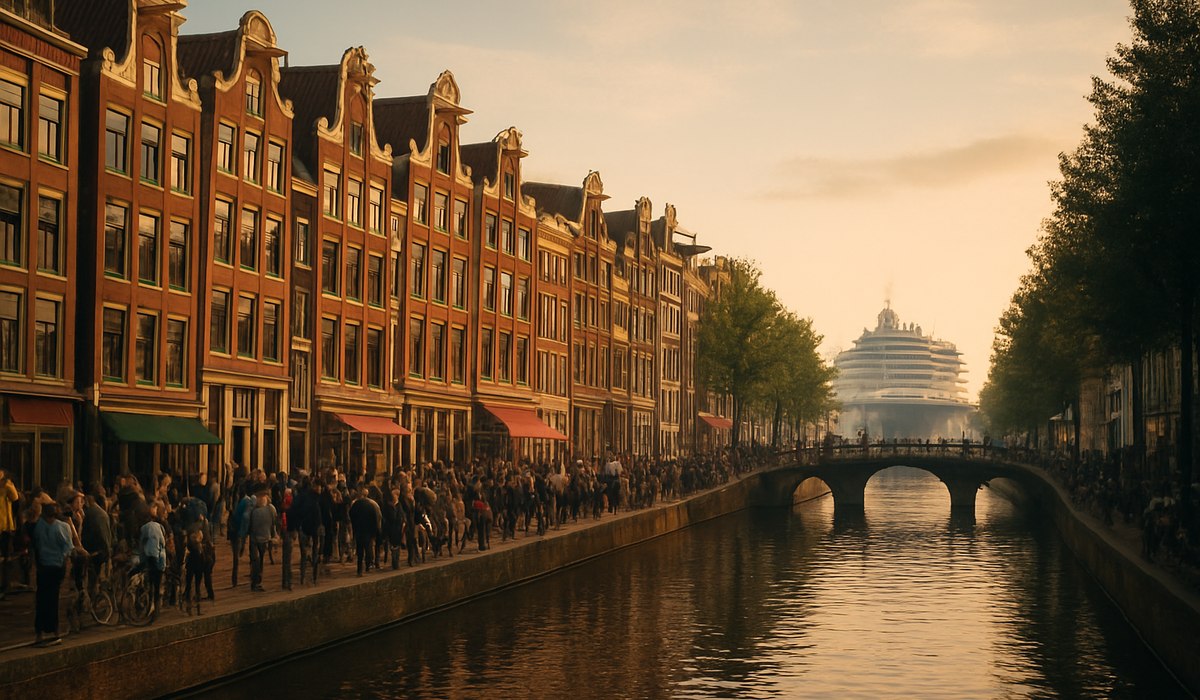
Image generated by AI
Amsterdam's Bold Tourism Restructuring Takes Shape
Amsterdam is implementing sweeping tourism controls that will fundamentally reshape how cruise passengers and visitors experience the Dutch capital. The city council has announced plans to increase the tourist tax to 20% by 2030 while simultaneously closing its cruise terminal, marking one of Europe's most aggressive overtourism interventions. These measures aim to reduce pressure on Amsterdam's historic neighborhoods, improve resident livability, and restore balance between tourism revenue and quality of life.
The Amsterdam plans higher taxation approach reflects growing frustration with mass tourism's environmental and social impacts. By 2030, the closure will redirect cruise operations away from the city's crowded canal district, forcing operators to find alternative embarkation points throughout the region.
Amsterdam's Aggressive Tourism Tax Increase to 20%
Amsterdam currently levies a tourist tax that varies by accommodation type, with most hotels paying around 7%. The planned escalation to 20% represents a dramatic restructuring of tourism economics in the city. This increase positions Amsterdam among the world's most expensive destinations for overnight visitors.
The higher tourist tax will generate estimated revenues of €85 million annually by 2030, funding infrastructure improvements and community initiatives. City officials argue the revenue supports affordable housing programs, public safety enhancements, and preservation of Amsterdam's UNESCO-listed canal heritage. Cruise passengers staying overnight in the city will bear the brunt of this increase, potentially reducing visitation by 15-20% according to preliminary economic models.
Hotels, hostels, and holiday rentals will implement the tax at point of booking. Payment processing systems require upgrades to handle the expanded rate structure. Major booking platforms including Booking.com and Airbnb will need to adjust pricing displays to clearly communicate tax obligations to prospective guests.
Cruise Terminal Closure and Its Impact on Port Operations
The scheduled closure of Amsterdam's cruise terminal by 2030 signals a fundamental shift in port strategy. Currently, the terminal processes approximately 2.3 million cruise passengers annually, making it one of Northern Europe's busiest cruise ports. Closure will eliminate this capacity entirely from the city center.
Cruise lines operating from Amsterdam will face significant operational challenges. MSC Cruises, Royal Caribbean, and other major operators will need to relocate homeport operations to Rotterdam or other regional alternatives. The Port of Rotterdam, located 75 kilometers southeast, offers modern facilities and deeper-water berths suitable for new mega-ships up to 250,000 gross tons.
This transition period from 2026-2030 allows cruise operators four years to restructure itineraries. Roundtrip cruises departing Amsterdam will shift to fly-cruise models where passengers transfer from Amsterdam Airport to Rotterdam by coach. One-way transatlantic cruises will likely be redefined to focus on Northern European ports with operational capacity, such as Hamburg and Southampton.
Visit the official Port of Amsterdam website for current operational details and transition plans.
Business Buyout Strategy and Residential Relief Programs
Amsterdam's city government has allocated €120 million for voluntary buyout programs targeting central business district properties. These acquisitions aim to reduce commercial density in congested neighborhoods and convert retail spaces to residential units or cultural facilities.
The buyout strategy prioritizes tourist-oriented businesses—souvenir shops, budget hotels, tour operators—clustered in high-traffic areas like Damrak and around Centraal Station. Property owners receive market-rate compensation plus relocation assistance to peripheral neighborhoods or suburban areas. This approach differs from forcible closures, offering financial incentives rather than regulatory punishment.
Residential relief programs provide rent subsidies and relocation grants to long-term residents displaced by rising property values. As tourist-facing businesses close and properties convert to housing, rents are expected to stabilize within 3-5 years. Community advocates argue this addresses Amsterdam's affordability crisis while preserving neighborhood character.
Real estate analysts project property values in the Grachtengordel and Jordaan districts may decrease 8-12% during the transition period, potentially easing housing accessibility for Dutch residents working in tourism, hospitality, and creative industries.
Livability and Safety Improvements for Amsterdam Residents
These tourism restructuring measures directly target neighborhood quality of life. Reduced cruise passenger volumes will lower pedestrian congestion, particularly in narrow canal-side streets designed for medieval foot traffic, not 21st-century mass tourism.
Public safety initiatives include expanded police presence in residential neighborhoods, stricter enforcement of noise ordinances during evening hours, and restrictions on group tour sizes in historic districts. Local residents report improvements in air quality when fewer tour buses navigate Amsterdam's compact street layout. Cycling safety also improves with lower vehicle density from transport coaches.
Cultural preservation benefits significantly from reduced foot traffic. Amsterdam's 1,600+ historic buildings require ongoing restoration; lower visitor volumes reduce wear on facades, bridges, and public spaces. Museums and cultural institutions can implement capacity limits, improving visitor experiences while protecting artifacts from climate-control stress caused by high-volume air circulation systems.
Educational institutions within the city center report better classroom environments when summer tourism peaks decline. University of Amsterdam and other institutions have documented increased focus and retention during academic periods with lower street-level disruption.
Cruise Itinerary at a Glance
| Itinerary Element | Current Status (2026) | Post-Closure (2030+) |
|---|---|---|
| Embarkation Port | Amsterdam Cruise Terminal, city center | Rotterdam or Hamburg alternatives |
| Typical Northern Europe Route | 7-10 days (Baltic or Norwegian cruises) | Same duration, different homeport |
| Ground Transportation | Walk-on from terminal to city center | Coach transfer from airport to port |
| Average Passenger Load | 4,000-6,000 per vessel | 4,000-6,000 per vessel |
| Annual Port Capacity | 2.3 million passengers | 0 passengers (terminal closed) |
| Estimated Fare Impact | Baseline pricing | +5-8% for repositioning transfers |
What This Means for Travelers Planning Amsterdam Cruises
Amsterdam plans higher taxation and terminal closure create significant implications for cruise travelers booking 2027-2030 departures.
-
Book early with flexible dates: Cruise fares from Amsterdam will increase 8-15% between 2027-2029 as operators finalize alternative port arrangements and factor in repositioning costs.
-
Consider Rotterdam embarkation: Ships relocating to Rotterdam offer identical itineraries with shorter transfer times (90 minutes by coach versus the previous walking distance). Direct accommodation in Rotterdam before embarkation can eliminate transfer costs.
-
Budget for higher tourist taxes: If combining your cruise with a pre-cruise Amsterdam stay, the 20% tax by 2030 will increase hotel bills significantly. Two nights at a €150-per-night hotel will add approximately €60 in taxes by 2030, versus current €21.
-
Explore alternative departure cities: Hamburg, Copenhagen, and Southampton increasingly offer competing Northern Europe itineraries. Comparing these ports might yield better pricing than repositioned Amsterdam sailings.
-
Plan port calls strategically: Cruises stopping at Amsterdam as a port-of-call (not homeport) will remain operational through 2030, though terminal capacity will decrease. Booking these itineraries offers continued Amsterdam access without homeport transfer complications.
Frequently Asked Questions
Will cruise ships still visit Amsterdam after 2030?
Yes, Amsterdam will remain a port-of-call destination for Northern Europe cruises. Only the cruise terminal homeport operations will close, affecting embarkation and disembarkation procedures. Transit passengers on cruises stopping at Amsterdam can still visit the city, though fewer ships will berth daily as overall port volume declines.
How much will the tourist tax increase affect cruise passengers?
The 20% tax applies to overnight accommodation in hotels, hostels, and regulated short-term rentals. Cruise passengers sleeping onboard their vessel avoid this
Disclaimer
This article is for informational and educational purposes only. It does not constitute legal, financial, or professional advice. While we strive to provide accurate and up-to-date information, travel policies, regulations, and conditions change rapidly. Always verify information with official sources before making travel decisions. Nomad Lawyer makes no representations about the accuracy, reliability, completeness, or suitability of the information provided. Readers should consult qualified professionals for advice specific to their circumstances. The views expressed in this article are those of the author and do not necessarily reflect the views of Nomad Lawyer.
Kunal K Choudhary
Co-Founder & Contributor
A passionate traveller and tech enthusiast. Kunal contributes to the vision and growth of Nomad Lawyer, bringing fresh perspectives and driving the community forward.
Learn more about our team →