
Beyond the Club: Americas After-Dark Tourism Shifts Toward Culture and Experience in 2026
New data reveals a systemic shift in Americas nightlife tourism, as travelers abandon traditional party scenes for immersive theatre, astronomy, and heritage experiences across 11 key nations.

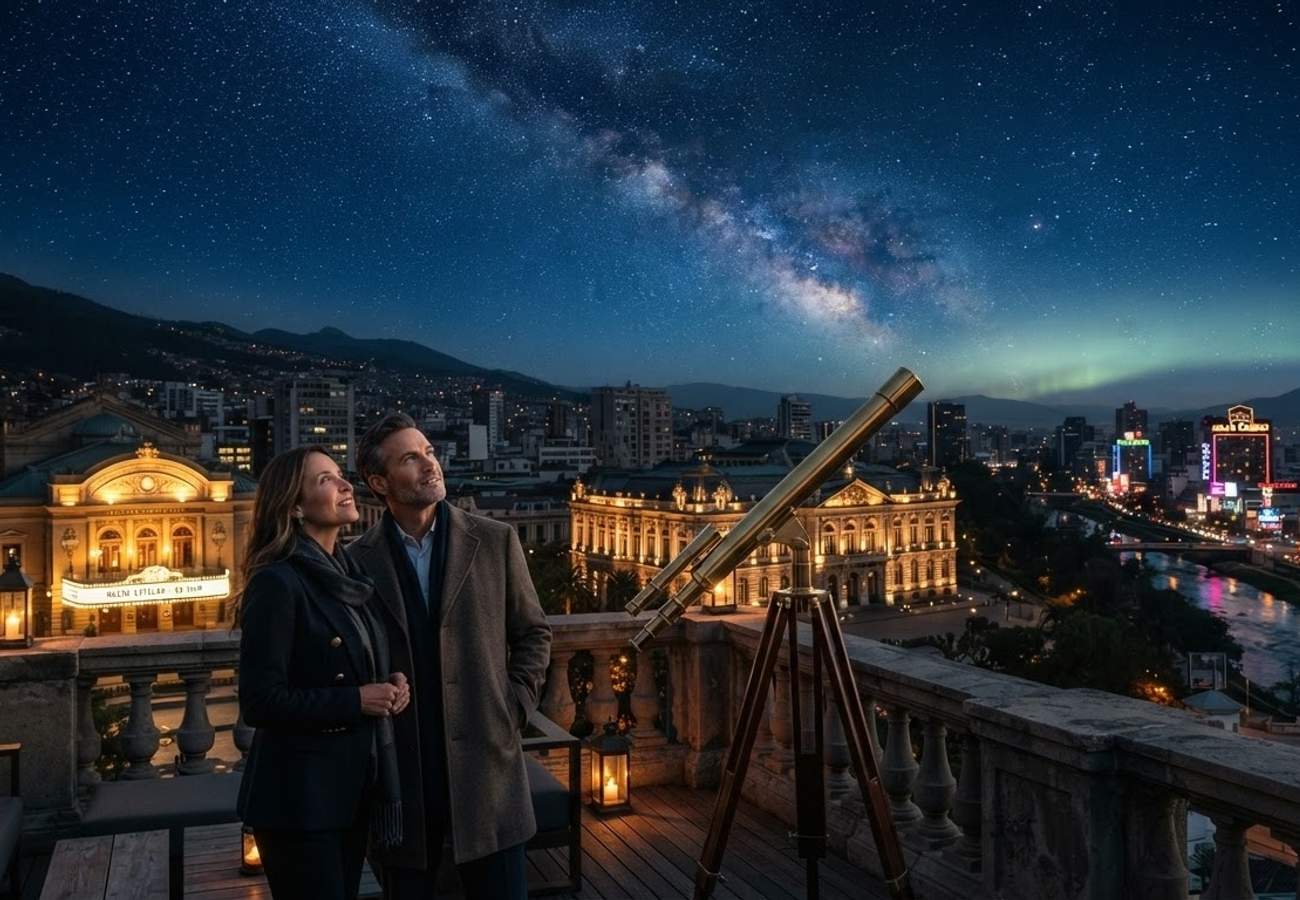
Image generated by AI
The traditional definition of "nightlife"—characterized by DJs, crowded dance floors, and clubbing—is becoming obsolete. Across the Americas, a significant pivot toward "real nightlife" is occurring, where travelers prioritize intellectual stimulation, cultural heritage, and immersive spectacle over traditional party scenes.
This transition is evident in the diversification of evening itineraries. From night-skiing in Canada to prehistoric rock-art tours in Brazil, destinations are leveraging the hours after sunset to extend visitor spending and deepen the emotional connection between the traveler and the location.
Regional Nightlife Specializations
The shift is not uniform; different nations are leveraging specific cultural assets to capture the after-dark market.
- United States: Dominates through a blend of spectacle and education, utilizing Broadway theatre in New York, magic and comedy in Las Vegas, and astronomy at the Griffith Observatory in Los Angeles.
- Canada: Focuses on winter-specific nocturnal activities, including night skiing and snowshoeing in Banff, alongside opera and cinema in Toronto and Montréal.
- Brazil & Colombia: Prioritize heritage and urban innovation, with Rio de Janeiro offering nocturnal visits to prehistoric rock art and Bogotá focusing on scientific and artistic districts.
- Caribbean Hubs: Aruba and the Bahamas are pivoting toward gaming, comedy, and boutique heritage experiences to move beyond the "all-inclusive resort" stereotype.
Comparative Analysis of After-Dark Strengths
The following data outlines the primary value propositions for the top-performing destinations in the 2026 real nightlife category.
| Rank | Country | Key Destinations | Non-Party Nightlife Focus | Primary Travel Proposition |
|---|---|---|---|---|
| 1 | United States | Las Vegas, NYC, LA, Savannah, Aspen | Theatre, Astronomy, Ghost Tours, Casinos | Entertainment + Culture + Spectacle |
| 2 | Canada | Toronto, Montréal, Banff | Night Skiing, Stargazing, Opera | Culture + Winter Adventure |
| 3 | Mexico | Tulum, Punta Mita | Performing Arts, Heritage Sites | Culture + Immersive Travel |
| 4 | Argentina | Buenos Aires | Tango, Literature, Theatre | Theatre + Cultural Identity |
| 5 | Brazil | Rio de Janeiro, Serra da Capivara | Prehistoric Rock-Art, Heritage | Heritage + Extraordinary Experiences |
| 6 | Colombia | Bogotá, Medellín | Urban Art, Science Museums | Urban Culture + Innovation |
| 7 | Jamaica | Negril | Cinema, Cultural Theatre | Cultural Entertainment |
| 8 | Aruba | Aruba | Casinos, Comedy | Gaming + Resort Entertainment |
| 9 | Costa Rica | Jacó | Nocturnal Nature Experiences | Adventure After Dark |
| 10 | The Bahamas | Harbour Island | Boutique Heritage, Intimate Events | Boutique Island Evenings |
| 11 | Cayman Islands | Grand Cayman | Curated Art and Cultural Events | Upscale Cultural Tourism |
Economic Indicators: US Nightlife Sector
While the trend shifts toward "experience," the underlying economic infrastructure of the drinking and nightlife industry remains massive. According to the 2026 Annual Integrated Economic Survey and BLS data:
- US Drinking-Places Revenue: US$34.79 billion (based on 2023 Census data).
- Industry Employment: 432,542 total jobs, with average monthly payroll employment hitting 415,200 in May 2026.
- Establishment Count: 40,835 employer establishments.
- Global Market Context: The global bars and nightclubs market is estimated at US$103.37 billion in 2026, projected to reach US$124.87 billion by 2030, with a CAGR of 4.8%.
Case Studies in Experience-Driven Nightlife
Las Vegas: Beyond the Casino Though globally ranked No. 2 for nightlife, Las Vegas is successfully rebranding "spectacle" as a travel product. The city has integrated high-end magic, comedy, and neon heritage tours, proving that high-density entertainment can thrive without relying solely on dance floors.
Miami: The Science Pivot Ranked No. 4 globally, Miami is diversifying via the Phillip and Patricia Frost Museum of Science. Their "nightLAB" programs—featuring planetarium films and telescope stargazing—convert educational assets into evening entertainment, encouraging longer visitor stays.
Los Angeles: Celestial Tourism The Griffith Observatory serves as a primary anchor for LA's "real nightlife." By utilizing the Zeiss telescope for public nighttime viewing of the Moon and Milky Way, the city connects Hollywood's artificial lights with celestial astronomy, offering a low-impact, high-memory alternative to party culture.
Why This Matters: Industry Implications
From a logistical and economic perspective, this shift represents a strategic "de-risking" of tourism economies. Relying on clubbing and party tourism creates a volatile market often tied to specific age demographics and seasonal trends. By integrating theatre, science, and heritage into the evening economy, cities can:
- Expand Target Demographics: Attract older, high-net-worth travelers and families who avoid loud party scenes but will pay a premium for a curated night-skiing experience or a Broadway show.
- Increase "Length of Stay": When a city offers a diverse nocturnal menu (e.g., a museum at night followed by a comedy show), visitors are more likely to extend their trip by 1-2 days.
- Diversify Revenue Streams: Shifting from alcohol-centric revenue to ticket-based revenue (theatre, museums, guided tours) creates a more stable economic base.
Forward Outlook
We expect to see a surge in "Nocturnal Infrastructure" investments. This includes the installation of specialized lighting for prehistoric sites (as seen in Brazil) and the expansion of "After-Hours" museum passes in major urban hubs. The winners in the 2026-2030 window will be destinations that treat the night not as a time for partying, but as a canvas for storytelling and education.
The night is no longer for sleeping or dancing; it is for discovering.
Related Travel Guides
Disclaimer
This article is for informational and educational purposes only. It does not constitute legal, financial, or professional advice. While we strive to provide accurate and up-to-date information, travel policies, regulations, and conditions change rapidly. Always verify information with official sources before making travel decisions. Nomad Lawyer makes no representations about the accuracy, reliability, completeness, or suitability of the information provided. Readers should consult qualified professionals for advice specific to their circumstances. The views expressed in this article are those of the author and do not necessarily reflect the views of Nomad Lawyer.
Kunal K Choudhary
Co-Founder & Contributor
A passionate traveller and tech enthusiast. Kunal contributes to the vision and growth of Nomad Lawyer, bringing fresh perspectives and driving the community forward.
Learn more about our team →