
US Customs Implements Strict Import Bans on Canadian Alcohol and Goods Starting September 2026
New US Customs and Border Protection restrictions on Canadian-origin alcohol, dairy, and vehicles are causing confusion for cross-border travelers and snowbirds.

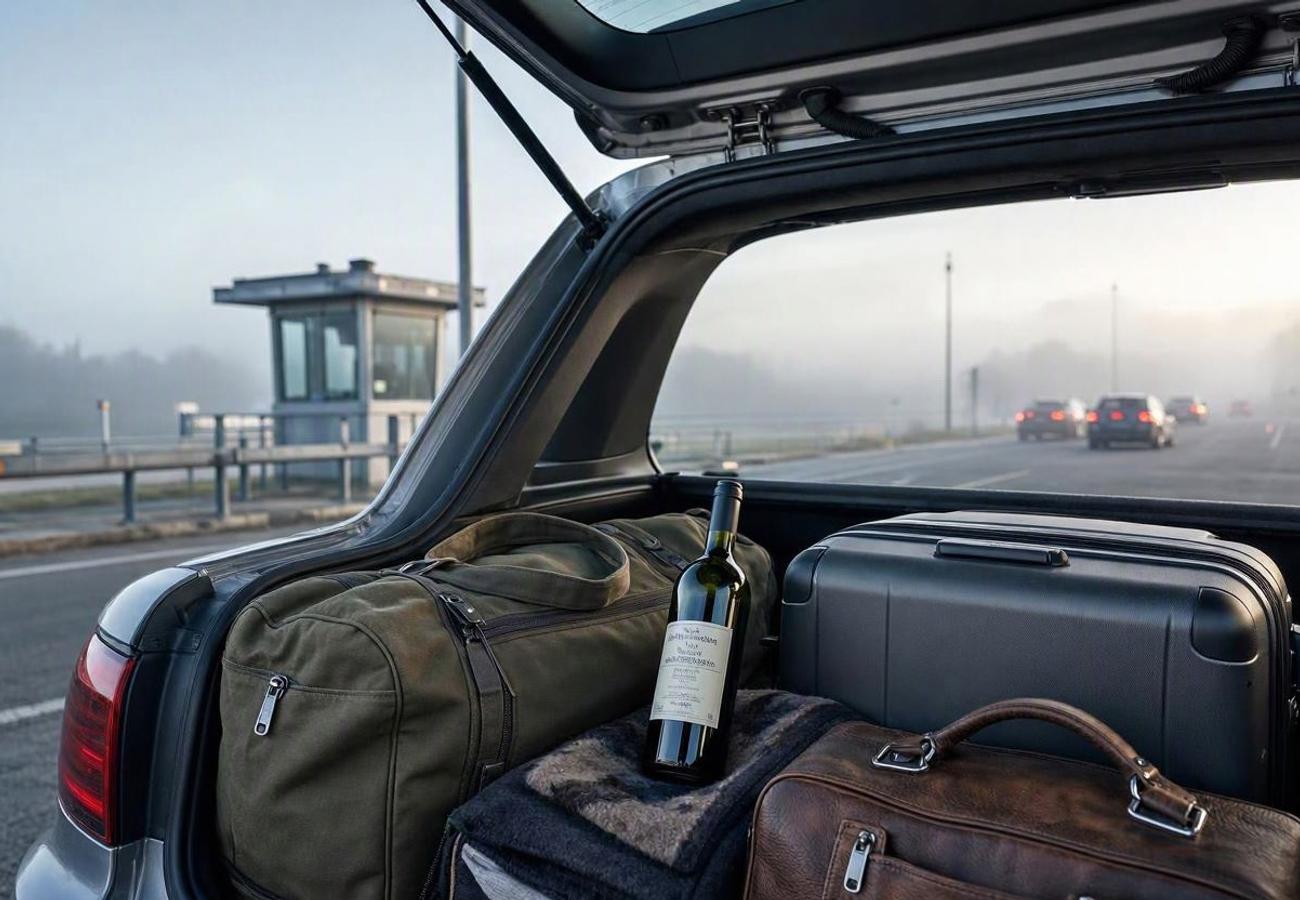
Image generated by AI
[Washington, October 5, 2026] — New United States import restrictions targeting a wide array of Canadian-origin products took effect on September 29, 2026, creating significant uncertainty for cross-border travelers and seasonal residents. The ruling, which became active at 12:01 a.m. ET, introduces bans on various alcoholic beverages, dairy-based supplements, and specific vehicles, leaving many passengers unsure of what can legally cross the northern border.
The U.S. Customs and Border Protection (CBP) has not yet provided comprehensive guidance on whether personal-use exemptions apply to these new bans. This lack of clarity has prompted the Canadian Snowbird Association (CSA) to issue warnings to its members, urging them to scrub their luggage and vehicles of prohibited Canadian goods before attempting entry into the U.S. to avoid seizure or penalties.
The September 29 Import Restrictions
The current regulatory shift focuses on specific product categories. While tariffs have long existed, these new measures are classified as import bans, which are generally more difficult for travelers to contest at the port of entry than standard duties.
The restrictions are divided between broad alcoholic bans and more targeted food and vehicle restrictions. The Canadian Snowbird Association has highlighted that the scope of the alcohol ban is particularly wide, covering nearly every major category of Canadian-made spirits and fermented beverages.
Prohibited and Restricted Canadian Goods
| Category | Specific Restricted Items | Status |
|---|---|---|
| Alcoholic Beverages | Packaged beer, sparkling wine, table wines, cider, sake, rum, vodka, gin, specific whiskies/spirits | Banned/Restricted |
| Dairy & Food | Whey protein products, other whey derivatives, molasses | Banned/Restricted |
| Beverages | Non-alcoholic beer | Banned/Restricted |
| Vehicles | Certain motorcycle models | Banned/Restricted |
Who Is Affected
The impact of these rules varies significantly depending on the citizenship of the traveler and the volume of goods being transported.
- Canadian Citizens: Facing the highest level of uncertainty. There is currently no confirmed exemption for Canadians carrying small amounts of Canadian-origin alcohol for personal use.
- U.S. Residents (21+): Maintain a limited allowance. U.S. citizens can still bring back one liter of alcohol for personal use duty-free.
- Seasonal Travelers (Snowbirds): Specifically warned to avoid packing Canadian wine, beer, or spirits for their southern migration.
- Commercial Importers: Subject to the full weight of Proclamation 11061, including steep tariffs.
What This Means for Travelers
For the average traveler, the primary risk is the seizure of goods. Because the CBP has not issued a "personal use" carve-out for the new bans, any Canadian-origin product listed above is subject to confiscation.
Plain-Language Impact Assessment:
- Declare Everything: Failure to declare alcohol or whey protein can lead to fines or permanent travel flags.
- Assume Seizure: If you are a Canadian citizen carrying Canadian wine or spirits, be prepared for the CBP to seize the items without compensation.
- The One-Liter Rule: If you are a U.S. resident, you are safe with one liter of alcohol; however, anything beyond that triggers a 50% tariff under Proclamation 11061.
- Check Your Pantry: Ensure no whey protein or molasses products are in your vehicle, as these are now targeted under the dairy-related import bans.
Shift Toward Northern Border Security
These restrictions coincide with a broader strategic shift in U.S. border policy. White House Border Czar Tom Homan has indicated that the administration is redirecting resources, manpower, and technology toward the northern border.
Homan cited "lax" Canadian immigration laws as a primary driver for increased scrutiny. This suggests that beyond product bans, travelers can expect more frequent secondary inspections, more rigorous questioning, and an overall increase in the time required to clear customs at land crossings and airports.
FAQ: Canada-US Border Rules 2026
Can I still bring Canadian wine into the US if I am an American citizen? Yes, U.S. residents aged 21 and older are permitted to bring one liter of alcohol for personal use duty-free. Amounts exceeding this limit are subject to review and a 50% tariff under Proclamation 11061.
What happens if I forget to declare a banned Canadian product? Items may be seized and refused entry. Failure to declare goods can result in monetary penalties and may lead to increased scrutiny during future border crossings.
Are all Canadian alcohols banned for Canadian citizens? The CBP has not provided a specific exemption for Canadian citizens carrying personal quantities. The CSA recommends avoiding the transport of Canadian-origin beer, wine, and spirits to avoid seizure.
Do these rules apply to non-alcoholic beer and protein powder? Yes. The new restrictions specifically include non-alcoholic beer, molasses, and various whey protein products.
Border security is tightening; pack light and declare all goods.
Related Travel Guides
Disclaimer
This article is for informational and educational purposes only. It does not constitute legal, financial, or professional advice. While we strive to provide accurate and up-to-date information, travel policies, regulations, and conditions change rapidly. Always verify information with official sources before making travel decisions. Nomad Lawyer makes no representations about the accuracy, reliability, completeness, or suitability of the information provided. Readers should consult qualified professionals for advice specific to their circumstances. The views expressed in this article are those of the author and do not necessarily reflect the views of Nomad Lawyer.
Naina Thakur
Contributor & Travel Specialist
Travel enthusiast and legal writer covering visa regulations, responsible tourism, and cultural journeys across global destinations.
Learn more about our team →