
Airlines Summer International Peak: American Readies Record 4.2M Passengers
American Airlines prepares for record-breaking summer travel in 2026 with 4.2 million passengers across 40,000+ flights. Peak season demand reshapes airport operations nationwide.

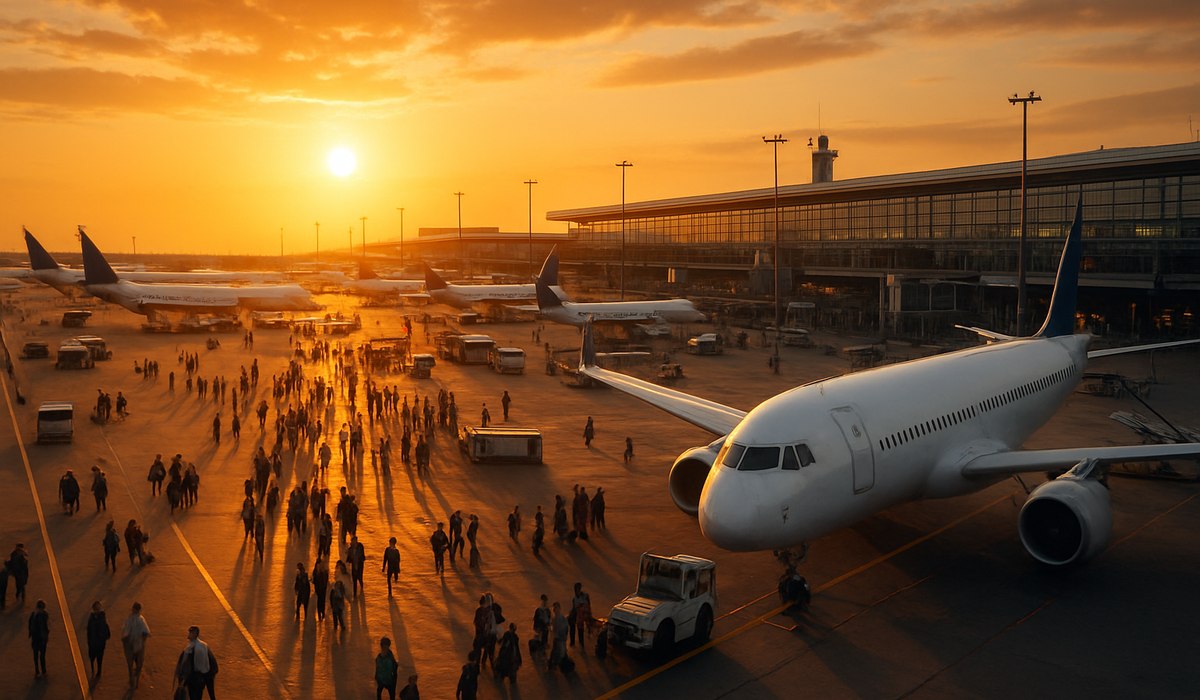
Image generated by AI
Record-Breaking Summer Approach: American Airlines Mobilizes for Peak Travel Season
American Airlines is executing one of the most ambitious operational plans in the carrier's history as summer 2026 approaches. The airline expects 4.2 million passengers to traverse its networks during the Memorial Day weekend alone, representing an extraordinary surge in demand for airlines summer international travel. Between May 21–26, American Airlines will operate more than 40,000 scheduled flights, translating to approximately five departures every minute across its network. This unprecedented capacity deployment reflects the structural shift in post-pandemic travel patterns, where leisure and business travelers converge during major holiday weekends.
The carrier's preparation underscores how airlines summer international operations have evolved to accommodate persistent consumer appetite for air travel. American Airlines' strategic positioning across major hub airports positions it to capture significant market share during this critical revenue period.
American Airlines Sets Record for Summer Travel Demand
American Airlines' forecast for summer 2026 reveals the magnitude of competitive pressure and consumer behavior reshaping the aviation industry. The carrier's decision to expand capacity by deploying additional aircraft to high-demand routes demonstrates confidence in sustained travel recovery across domestic and international markets.
The airline has invested in operational infrastructure, crew scheduling optimization, and ground support expansion at its principal hub airports. These preparations aim to maintain service quality despite handling record passenger volumes. American Airlines' strategic approach to airlines summer international demand involves dynamic pricing, route adjustments, and fleet deployment algorithms informed by booking patterns and macroeconomic indicators.
Industry analysts point to remote work flexibility, accumulated leisure travel demand, and reduced business travel restrictions as primary drivers. American Airlines captures this demand through aggressive scheduling and capacity planning that extends beyond traditional peak seasons. The carrier's competitive positioning against United Airlines, Delta Air Lines, and Southwest Airlines intensifies during these high-revenue periods, making operational excellence critical for market leadership.
Capacity and Flight Operations During Peak Season
Managing 40,000+ flights requires unprecedented coordination across American Airlines' operational divisions. The carrier activates contingency protocols for aircraft maintenance, crew rest requirements, and ground handling constraints that typically limit throughput during normal operations.
American Airlines deploys its entire serviceable fleet during summer peaks, including regional partners flying under the American Eagle brand. Scheduling algorithms prioritize high-revenue routes while maintaining connectivity through hub airports like Dallas/Fort Worth, Charlotte, and Chicago. The airline implements staggered boarding procedures, expedited gate turnover protocols, and enhanced ground crew staffing to minimize departure delays.
Weather contingencies represent the greatest operational risk during summer travel seasons. American Airlines maintains relationships with FlightAware for real-time tracking transparency and coordinates with the FAA on traffic management initiatives that prevent cascading delays. The carrier's operational command center monitors fuel prices, crew fatigue factors, and aircraft availability metrics continuously. Summer 2026 operational planning incorporates lessons learned from previous peak seasons, emphasizing resilience and passenger communication protocols.
Major Hub Airports Managing the Surge
American Airlines' primary hubs—Dallas/Fort Worth International, Charlotte Douglas International, and Chicago O'Hare International—experience exponential passenger volume increases during summer peaks. These airports coordinate with American Airlines to activate backup facilities, reduce ground service dwell times, and manage parking constraints.
DFW Airport, American Airlines' largest hub, typically processes 2,000+ daily flights during peak summer operations. The airport's infrastructure includes three terminal buildings dedicated to American Airlines operations, equipped with advanced baggage handling systems and expedited security checkpoints. Charlotte Douglas International serves the Southeast corridor with comparable intensity, channeling passengers toward beach destinations, family vacation hotspots, and business centers across the Atlantic seaboard.
Chicago O'Hare's role in American Airlines' summer strategy focuses on transcontinental connectivity and international gateway functions. These hub airports implement passenger flow management systems, dynamic gate assignments, and real-time capacity monitoring. The FAA coordinates slot allocation, arrival spacing, and ground delay management to prevent infrastructure bottlenecks. Travelers should anticipate congestion in terminal areas, security checkpoints, and baggage claim facilities during peak departure windows (typically 5–8 AM and 4–7 PM).
Tips for Travelers During Record-Breaking Summer
Navigating airlines summer international travel during peak seasons requires strategic planning and flexibility. Experienced travelers recommend arriving at the airport 2.5–3 hours before domestic departures and 3.5–4 hours before international flights. Summer weather patterns across North America create unpredictable disruptions; building in connection buffer time prevents missed flights.
Purchasing travel insurance becomes increasingly valuable during peak seasons when rebooking possibilities diminish. Travelers should monitor booking confirmations through the American Airlines website or app, enabling real-time flight status notifications. The US DOT maintains passenger rights documentation clarifying compensation procedures for delays exceeding three hours or cancellations attributable to airline operational decisions.
Flexible booking policies—allowing date or route modifications without penalty—provide valuable protection during volatile summer travel periods. Avoiding peak travel windows (Memorial Day week, July 4th week, Labor Day week) when possible dramatically improves punctuality and service consistency. Loyalty program members access priority boarding, expanded baggage allowances, and dedicated customer service channels during disruptions.
Traveler Action Checklist
-
Book flights immediately for summer 2026 travel dates, as American Airlines inventory depletes rapidly during peak demand periods.
-
Select off-peak departure times (before 6 AM or after 8 PM) to minimize airport congestion and ground delays.
-
Verify your passport expiration date if traveling internationally, ensuring validity extends 6+ months beyond return date requirements.
-
Enable flight status notifications through the American Airlines app to receive real-time alerts regarding schedule changes, gate assignments, and delays.
-
Photograph boarding passes and confirmations as backup documentation if mobile devices fail during airport check-in procedures.
-
Arrive at hubs 3+ hours early during peak summer windows to account for potential security line delays and gate reassignments.
-
Review baggage policies to determine carry-on limits, checked bag fees, and oversized item restrictions before packing.
-
Download your airline app offline to access booking information, flight details, and rebooking options if internet connectivity fails.
-
Purchase travel insurance covering trip delays, cancellations, and medical emergencies during international summer travel.
-
Check ground transportation options from destination airports, as rental car availability and rideshare pricing surge during peak travel periods.
Key Data: American Airlines Summer 2026 Operations
| Metric | Value | Context |
|---|---|---|
| Projected passengers (May 21–26) | 4.2 million | Memorial Day weekend peak |
| Scheduled flights (May 21–26) | 40,000+ | ~5 departures per minute |
| Primary hub: DFW departures | 2,000+ daily | Highest concentration |
| International routes activated | 250+ | Summer expansion schedule |
| Fleet aircraft deployed | 900+ | Nearly full operational capacity |
| Crew members mobilized | 27,000+ | Across all bases |
| Ground staff hired (seasonal) | 5,000+ | Temporary summer positions |
| Customer service calls (daily average) | 2.5 million | Peak season volume |
What This Means for Travelers
American Airlines' record summer schedule creates both opportunities and challenges for 2026 travelers. The carrier's expanded capacity increases flight availability across popular destinations, improving booking flexibility for spontaneous trips. However, congestion at major hub airports during peak windows may increase connection risks and service delays.
Passengers benefit from increased competition driving fare transparency and dynamic pricing across the airline industry. American Airlines' commitment to operational excellence during summer peaks represents investments in customer experience, crew training, and technological infrastructure. Travelers should expect professional service standards while acknowledging that high-volume operations
Disclaimer
This article is for informational and educational purposes only. It does not constitute legal, financial, or professional advice. While we strive to provide accurate and up-to-date information, travel policies, regulations, and conditions change rapidly. Always verify information with official sources before making travel decisions. Nomad Lawyer makes no representations about the accuracy, reliability, completeness, or suitability of the information provided. Readers should consult qualified professionals for advice specific to their circumstances. The views expressed in this article are those of the author and do not necessarily reflect the views of Nomad Lawyer.
Kunal K Choudhary
Co-Founder & Contributor
A passionate traveller and tech enthusiast. Kunal contributes to the vision and growth of Nomad Lawyer, bringing fresh perspectives and driving the community forward.
Learn more about our team →