
Breaking Airline News: Severe Travel Chaos Looms as American Airlines Aggressively Targets Manila to Combat Massive Transpacific Passenger Congestion
Breaking airline news: Amidst a terrifying era of massive passenger congestion, American Airlines executes a high-stakes operational strategy, targeting Manila to prevent severe transpacific travel chaos.

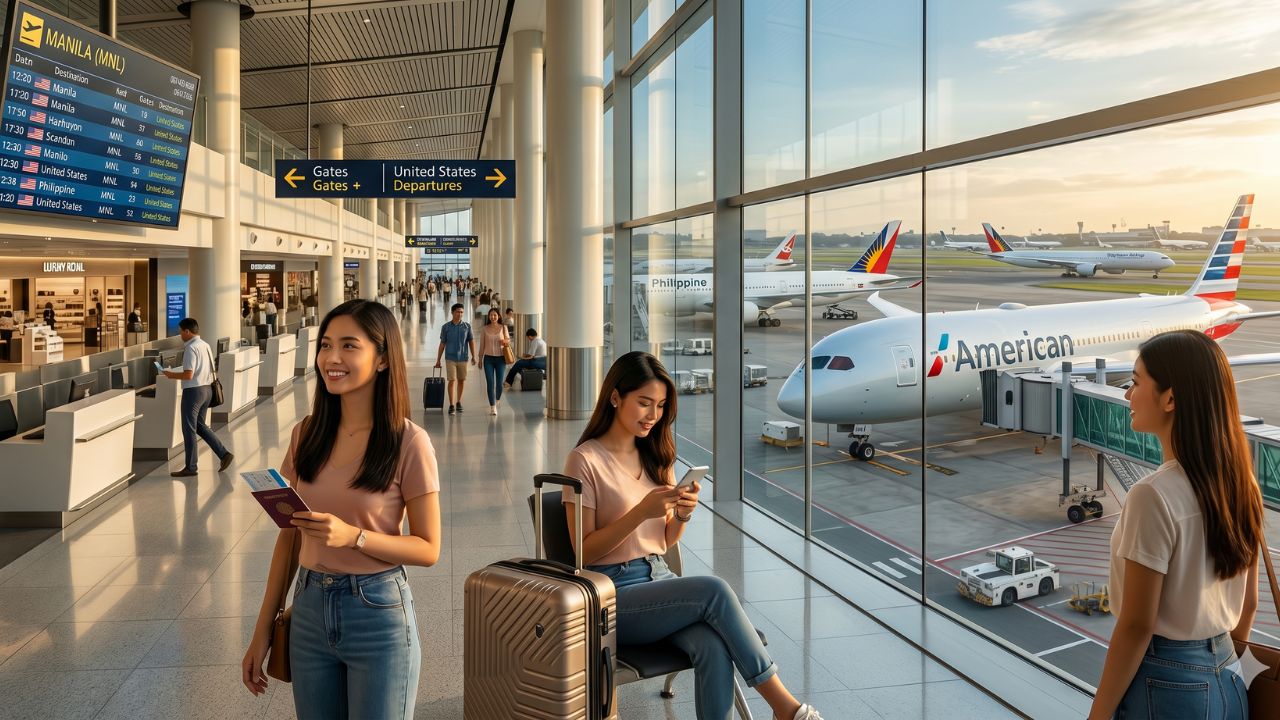
Image representing the intense strategic battle as major US carriers aggressively deploy massive wide-body aircraft to combat severe passenger congestion across the highly lucrative US-Philippines transpacific corridor.
Breaking Airline News: Severe Travel Chaos Looms as American Airlines Aggressively Targets Manila to Combat Massive Transpacific Passenger Congestion
As paralyzing airport disruptions, tightly constrained wide-body aircraft capacities, and massive waves of passenger congestion violently threaten the highly lucrative transpacific aviation network, major US flagship carriers are desperately scrambling to secure vital Asian gateways. In a highly aggressive, high-stakes operational maneuver designed to prevent catastrophic logistical gridlock, American Airlines is heavily exploring the immediate deployment of new, ultra-long-haul services connecting the United States directly to Manila, Philippines. This massive strategic pivot comes as the Southeast Asian mega-hub rapidly emerges as an absolute critical chokepoint for global connectivity, driven by the highly anticipated 2027 integration of Philippine Airlines into the formidable oneworld alliance.
In a harrowing display of modern aviation strategy, the sheer volume of international corporate and diaspora travelers currently overwhelming the US-Asia transit corridor is forcing network dispatchers to completely rewrite their global fleet allocations. The terrifying peak travel pressure, fueled by explosive demand for business process outsourcing (BPO) travel, threatens to trigger severe regional travel chaos if additional capacity is not instantly injected into the market. To physically secure the heavy aircraft required for this massive transpacific defense, American Airlines is executing a brutal network realignment, officially announcing the sudden discontinuation of its established Doha service to aggressively free up wide-body capacity for the Philippine theater.
Expanded Overview: The Massive Scale of the Reinforcement
The terrifying crisis of overwhelming passenger demand currently gripping the transpacific network brutally exposes the severe limitations of existing routing strategies. Recognizing that standard one-stop hubs are failing to clear the massive passenger queues, American Airlines is attempting to forcefully bypass the congestion by establishing a direct bridgehead in Manila. However, this aggressive expansion is heavily tempered by terrifying operational and financial constraints. The US mega-carrier faces a brutal, high-friction competitive landscape, going head-to-head against established powerhouses like United Airlines—which has already successfully penetrated the Manila market—and Delta Air Lines, which is aggressively plotting its own massive flight launches by 2027. This impending corporate dogfight guarantees that the Manila tarmac will become the primary battleground for transpacific supremacy over the coming years.
Section-Wise Breakdown: The Operational Realignment
The Los Angeles Bottleneck (LAX)
The massive operational shift initially centers around the heavily congested West Coast infrastructure. However, deploying a direct Manila route from American Airlines’ primary West Coast mega-hub, Los Angeles (LAX), presents a terrifying strategic trap. The LAX terminal is already suffering massive structural gridlock, severely limiting the carrier's ability to scale transpacific operations. Furthermore, initiating a Los Angeles–Manila flight would violently hurl American Airlines into a brutal price war against Delta Air Lines and the massive, multi-daily departures of Philippine Airlines. Operating at a severe local cost disadvantage, American Airlines risks crippling its premium fare yields if it becomes bogged down in the LAX bottleneck.
The Dallas-Fort Worth Ultra-Haul (DFW)
Desperate to avoid the West Coast gridlock, American Airlines is heavily evaluating its massive Dallas-Fort Worth (DFW) stronghold. However, this routing introduces a terrifying new set of operational hazards. A direct DFW–Manila flight would massively exceed 8,300 miles, instantly establishing itself as potentially the absolute longest, highest-risk route in the entire American Airlines global network. Executing this massive ultra-long-haul operation carries heavily elevated, highly volatile fuel, crew, and maintenance costs that could instantly obliterate route profitability.
The Tokyo Joint Venture Complication
Further paralyzing the strategic deployment is the highly complex alliance framework currently regulating the Pacific. American Airlines’ existing, highly lucrative transpacific joint venture with Japan Airlines heavily encourages routing US traffic directly through the heavily fortified Tokyo hub. Actively bypassing Tokyo to establish a direct Manila link severely complicates this vital business relationship. As evidenced by the sudden, highly disruptive discontinuation of previous Hong Kong routes, sustaining long-haul Asian services without perfect partner alignment is an incredibly dangerous operational gamble.
Flight Details & Aviation Strategy Matrix
To fully comprehend the massive logistical and strategic fallout of this transpacific expansion, corporate travel managers must review the exact operational metrics currently being evaluated. The following matrix provides a granular breakdown of the specific, officially verified strategic data driving American Airlines' maneuver to prevent structural travel chaos.
| Operational Metric | Confirmed Verification Data |
|---|---|
| Primary US Carrier | American Airlines |
| Target Asian Mega-Hub | Manila, Philippines |
| Global Alliance Integration | Philippine Airlines joining oneworld in 2027 |
| Evaluated US Departure Hubs | Los Angeles (LAX), Dallas-Fort Worth (DFW) |
| DFW Route Distance Hazard | Exceeds 8,300 miles (Extreme Ultra-long-haul) |
| Major US Competitors | United Airlines (Active), Delta Air Lines (Launching 2027) |
| Primary Joint Venture Partner | Japan Airlines (Tokyo Routing) |
| Required Fleet Reallocation | Discontinuation of Doha service to secure wide-body capacity |
Passenger Impact: Surviving the Terminal Nightmare
For the thousands of global BPO executives and Filipino diaspora travelers who frequently rely on the heavily congested US-Asia corridor, this massive capacity evaluation represents a potential, vital lifeline against severe operational delays. The brutal reality of enduring terrifyingly long multi-stop layovers inflicts intense psychological stress and entirely destroys meticulously planned corporate travel itineraries. By aggressively exploring direct flights, American Airlines is attempting to actively prevent the terrifying friction that results in severely missed international connections and entirely ruined travel plans across the Pacific.
Survival Guide for Transpacific Travelers
Travelers desperately navigating this high-demand era must immediately execute the following survival protocols:
- Leverage Oneworld Connectivity: As Philippine Airlines integrates into the oneworld alliance in 2027, aggressively consolidate your loyalty miles to unlock exclusive, high-priority rebooking safeguards across the massive joint network.
- Monitor Route Launches: Stay heavily vigilant regarding the impending 2027 capacity injections from both American Airlines and Delta; securing early inventory on these new direct routes is the ultimate defense against standard layover chaos.
- Prepare for Ultra-Long-Haul Endurance: If flying the massive 8,300-mile DFW-Manila route, passengers must rigorously prepare for extreme flight durations to prevent severe physiological fatigue.
Industry Analysis: The Fragility of the Ultra-Long-Haul Network
From a strategic aviation perspective, the travel turmoil currently forcing these evaluations highlights the terrifying vulnerability of relying on extreme ultra-long-haul operations. Because operating an 8,300-mile flight requires massive, highly specialized wide-body aircraft, any sudden surge in global fuel prices or localized airspace restrictions forces a violent operational crisis. When high-revenue Asian markets threaten to buckle under peak traffic, airlines must aggressively penalize other global hubs—like Doha—to secure the necessary hardware. This incident proves that even massive, highly optimized US global carriers must execute extreme, high-risk tactical deployments to prevent major intercontinental corridors from actively collapsing under modern travel pressures.
Conclusion: A Strategic Retreat to Ensure Aviation Survival
As the 2027 alliance realignment rapidly approaches, the sudden, massive evaluation of the Manila route represents a massive warning to transpacific travelers. The aggressive maneuvering by American, United, and Delta proves that global flight schedules remain terrifyingly fragile and highly dependent on brutal corporate competition. Corporate travel buyers and everyday passengers attempting to navigate this highly unstable era of aircraft shortages must maintain extreme flexibility. By acting aggressively to leverage the expanding oneworld alliance network, travelers can successfully survive the intense incoming capacity wars and completely avoid the paralyzing threat of regional travel chaos.
Key Takeaways
- Massive Network Pivot: American Airlines is aggressively exploring direct, ultra-long-haul flights to Manila to capitalize on Philippine Airlines' 2027 oneworld alliance entry.
- Extreme Operational Hazards: The proposed Dallas-Fort Worth (DFW) routing exceeds 8,300 miles, introducing terrifyingly high fuel, crew, and maintenance costs.
- Strategic Sacrifices: To physically secure the wide-body aircraft for Manila, the carrier executed a massive network cut, suddenly discontinuing its established Doha service.
- Brutal Competitive Gridlock: The US carrier faces severe, high-friction competition from United Airlines (already active) and Delta Air Lines (launching in 2027).
- Traveler Advisory: Passengers must aggressively monitor alliance realignments and prepare to leverage expanded codeshare networks to bypass massive terminal congestion in Tokyo and LAX.
Related Travel Guides
Disclaimer
This article is for informational and educational purposes only. It does not constitute legal, financial, or professional advice. While we strive to provide accurate and up-to-date information, travel policies, regulations, and conditions change rapidly. Always verify information with official sources before making travel decisions. Nomad Lawyer makes no representations about the accuracy, reliability, completeness, or suitability of the information provided. Readers should consult qualified professionals for advice specific to their circumstances. The views expressed in this article are those of the author and do not necessarily reflect the views of Nomad Lawyer.
Kunal K Choudhary
Co-Founder & Contributor
A passionate traveller and tech enthusiast. Kunal contributes to the vision and growth of Nomad Lawyer, bringing fresh perspectives and driving the community forward.
Learn more about our team →