
American Airlines Launches JFK Terminal 8 Grab-and-Go Lounge to Mitigate Transit Disruption
American Airlines is introducing a grab-and-go premium lounge at New York JFK Terminal 8 to help transit passengers manage tight flight connections.

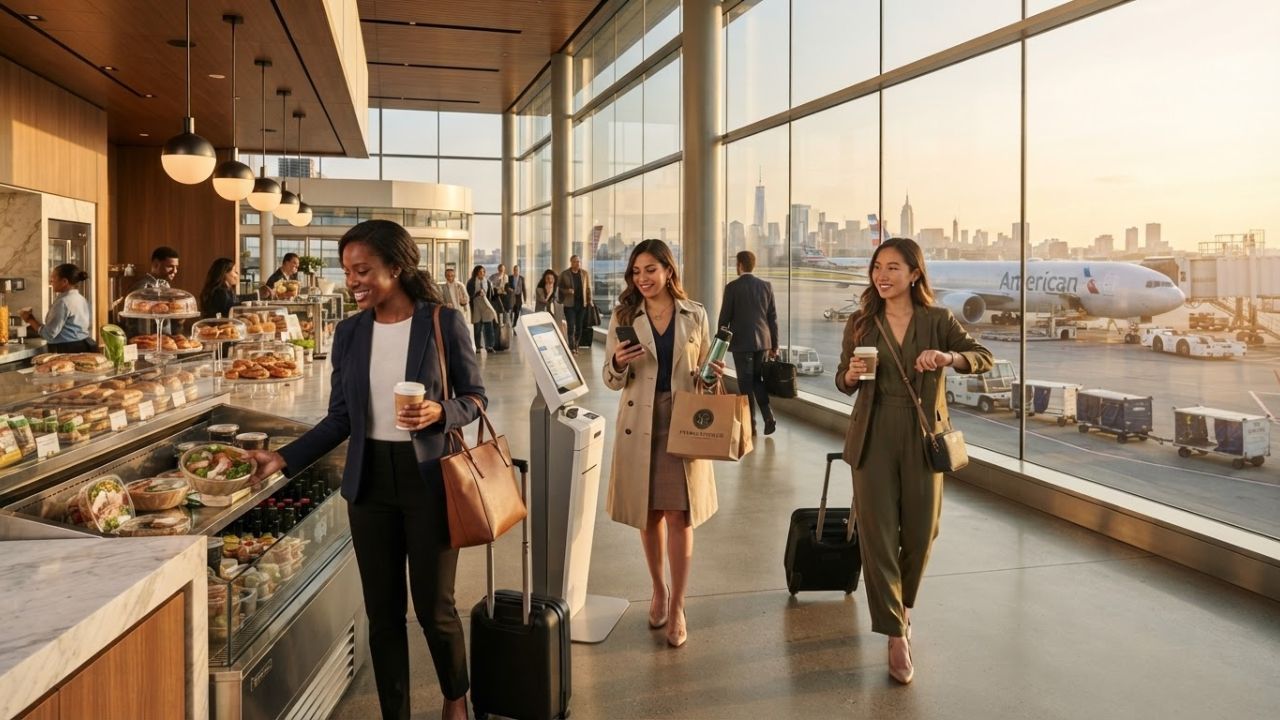
Image generated by AI
American Airlines Launches Grab-and-Go Premium Lounge at New York JFK Terminal 8 to Mitigate Passenger Delays and Connection Disruptions
American Airlines is introducing a grab-and-go premium lounge at New York’s JFK Airport to help transit passengers manage tight flight connections and operational delays. The new facility, opening by late 2026, aims to streamline traveler flows during peak traffic bottlenecks.
The Disruption Details
Our analysis indicates that traditional airport lounges are becoming increasingly congested, causing delays for passengers on tight schedules. To address this, American Airlines is launching a grab-and-go lounge concept at John F. Kennedy International Airport (JFK) before the end of 2026. The new format is tailored for travelers who arrive close to departure times due to biometrics and mobile boarding passes.
Operational data shows that peak travel seasons and weather disruptions frequently shorten connecting windows for transit passengers. During these irregular operations, travelers do not have the 45 to 120 minutes required for traditional lounge visits. The grab-and-go model allows passengers to collect fresh meals, barista-made coffee, and chilled drinks within 5 to 15 minutes before boarding.
Flight & Airport Impact Breakdown
The introduction of the new facility will alter transit flows and layout logistics across JFK's Terminal 8 corridor:
- New York JFK Hub Operations: JFK serves as a primary transatlantic gateway, experiencing significant operational delays during peak summer convective weather.
- Terminal 8 Connection Corridors: The new grab-and-go layout will serve high-frequency business routes to London Heathrow (LHR), Los Angeles (LAX), and Chicago O'Hare (ORD).
- Lounge Throughput Capacity: Designed for 5 to 15-minute visits, reducing crowding at main terminal gates and existing Admirals Club facilities.
- Reduced Gate Congestion: Shifting premium food services out of gate waiting areas helps streamline boarding queues and departure timelines.
Table: Comparison of JFK Lounge Operations
| Feature | Traditional Premium Lounge | Grab-and-Go Express Lounge |
|---|---|---|
| Average Visit Duration | 45–120 minutes | 5–15 minutes |
| Primary Purpose | Relaxation, workspace, showers | Quick food and beverage collection |
| Seating Layout | Large dining and seating areas | Limited seating with faster turnover |
| Food Service Type | Buffet and made-to-order dining | Fresh takeaway meals and snacks |
| Beverage Program | Full-service bar and coffee stations | Barista coffee and selected grab-and-go drinks |
| Target Traveler | Long layovers and international flights | Tight connections and time-sensitive flyers |
Passenger Rights & Advisory (Information Gain)
If your flight through JFK is delayed or cancelled, it is important to understand your protections under US Department of Transportation (DOT) guidelines. Airlines are required to provide refunds or free rebooking on the next available flight if a flight is cancelled or experiences a significant schedule change. In the event of controllable delays (such as mechanical issues or crew scheduling), carriers must provide meal vouchers.
For delayed travelers holding lounge memberships or premium cabin tickets, express facilities offer a fast way to secure meals without waiting in airport terminal restaurant lines. Always monitor your carrier’s mobile application for gate changes and boarding status. If you accept a rebooked flight with a tight connecting window, utilize express grab-and-go services to stay refreshed without missing your boarding call.
Industry Analyst View
Airlines are increasingly competing on terminal convenience to win high-yield business travelers and secure loyalty memberships. Grab-and-go lounges require less floor space than flagship facilities, making them highly cost-effective for airport operators. By deploying a dual-lounge strategy, carriers can serve different customer needs simultaneously while optimizing terminal passenger flows.
Terminal developments must adapt as digital boarding and biometric screening reduce check-in times. The success of this model at JFK will likely influence how airports allocate retail and lounge real estate in future projects. Reducing gate dwell times directly improves aircraft turnaround schedules, helping airlines maintain operational punctuality across their networks.
Related Travel Guides
Disclaimer
This article is for informational and educational purposes only. It does not constitute legal, financial, or professional advice. While we strive to provide accurate and up-to-date information, travel policies, regulations, and conditions change rapidly. Always verify information with official sources before making travel decisions. Nomad Lawyer makes no representations about the accuracy, reliability, completeness, or suitability of the information provided. Readers should consult qualified professionals for advice specific to their circumstances. The views expressed in this article are those of the author and do not necessarily reflect the views of Nomad Lawyer.
Kunal K Choudhary
Co-Founder & Contributor
A passionate traveller and tech enthusiast. Kunal contributes to the vision and growth of Nomad Lawyer, bringing fresh perspectives and driving the community forward.
Learn more about our team →