
American Airlines Flight AAL2239 Emergency Landing: What Triggered Denver Diversion
American Airlines Airbus A321-211 flight AAL2239 diverted to Denver International Airport mid-flight from Ontario to Dallas. Here's what caused the emergency landing and how the airline managed passenger safety.

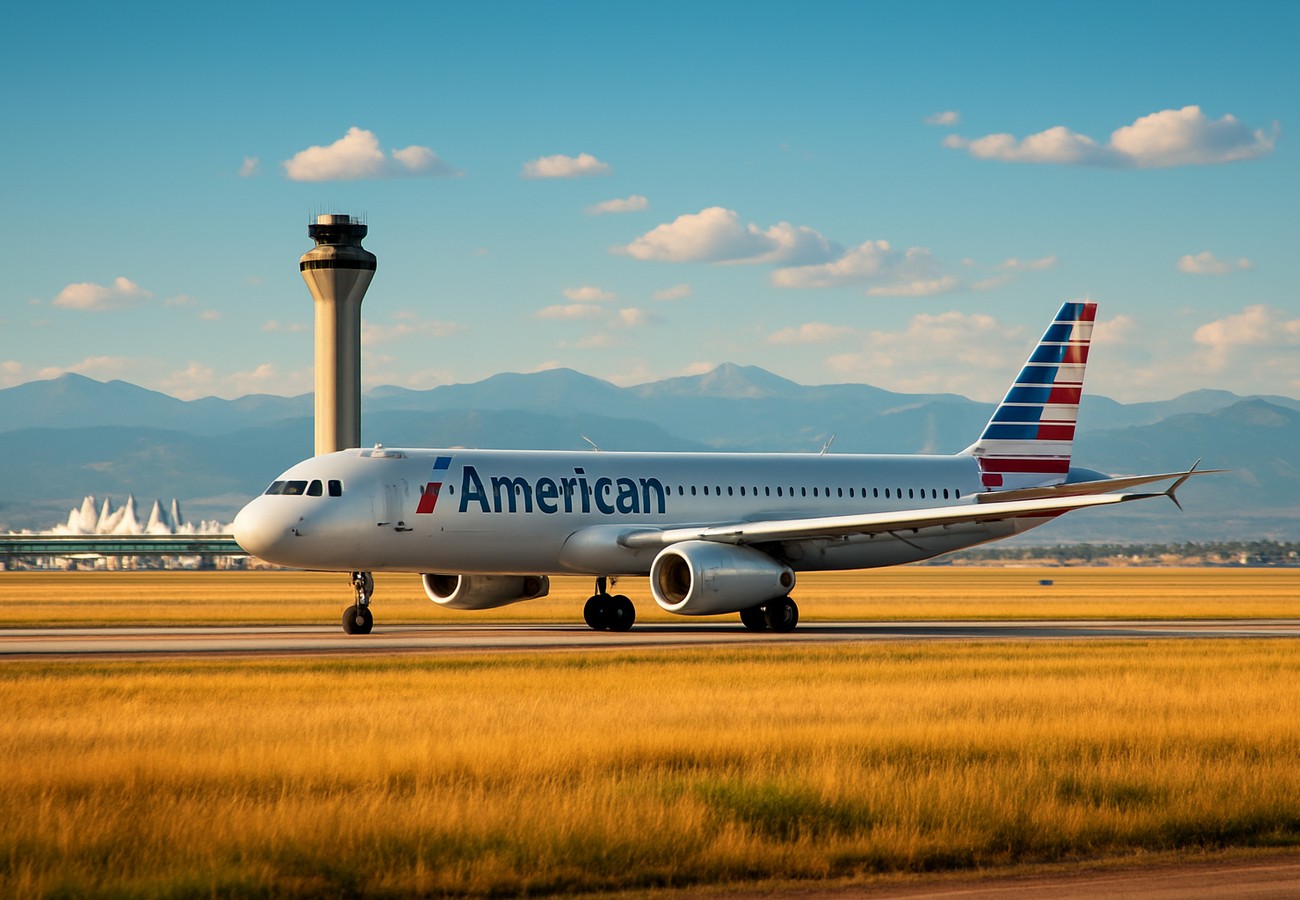
Image generated by AI
What started as an ordinary mid-afternoon flight from Ontario to Dallas became an unexpected drama in the skies over the Rocky Mountain region. American Airlines flight AAL2239, operating an Airbus A321-211, made a sudden course change that left passengers scrambling for answers. The mainline jet touched down safely at Denver International Airport, but the incident raises important questions about how airlines handle in-flight emergencies and passenger protection.
What Triggered the Emergency Diversion?
The decision to divert a commercial aircraft rarely happens on a whim. Flight dispatchers and captains follow strict Federal Aviation Administration (FAA) regulatory guidelines that mandate immediate action when weather or mechanical anomalies pose safety risks.
In this case, severe convective thunderstorms blanketed the primary arrival corridors into Dallas-Fort Worth International Airport. Summer weather patterns across the Texas plains frequently spawn sudden thunderstorm cells that force air traffic control to implement ground stops. When destination airports face weather-related closures, continuing toward an unreachable airport becomes unacceptable risk management.
Reddit: "These diversions save lives. A thunderstorm cell can develop in minutes, and pilots have to make split-second decisions with incomplete information." — r/aviation
The Airbus A321 cockpit crew monitored real-time atmospheric conditions continuously throughout the flight. When destination air traffic control reported severe wind shear and restricted visibility, the captain made the definitive call to land at an alternative facility. According to FAA incident protocols, pilot training emphasizes that mitigating potential hazards before they escalate is the gold standard in aviation safety.
How Airlines Execute Mid-Air Rerouting
Executing a safe diversion demands split-second coordination between the flight deck, regional air traffic control, and airline operational centers. Once the captain decides to divert, the first officer immediately coordinates with air traffic control to secure an amended flight clearance. This communication ensures the aircraft can safely descend through busy airspace without disrupting nearby commercial traffic.
Simultaneously, the crew alerts ground networks via digital communication systems to ensure a passenger gate and support staff stand ready upon arrival. For a major carrier like American Airlines, maintaining significant operational presence at hub cities like Denver makes managing unscheduled arrivals substantially more efficient.
Passengers received cabin announcements explaining the situation, while automated system updates refreshed digital boarding passes and connecting flight information on mobile applications. This intricate logistical choreography transforms a genuinely complex atmospheric challenge into a structured operational response.
Ground Operations and Passenger Management
The moment AAL2239 touched down at Denver International Airport, ground crews sprang into action. Baggage handlers, customer service agents, and refueling personnel rapidly prepared for the unscheduled arrival. The airline had minutes to arrange passenger accommodations, food service, and rebooking logistics for anyone with tight connections.
According to industry standards outlined by the Department of Transportation, airlines must provide passenger assistance during extended diversions—including meals, accommodations, and communication access. American Airlines crew members worked diligently to distribute food vouchers and explain the situation to frustrated travelers.
The key question passengers always ask: How long would they remain grounded? Weather-related diversions typically involve temporary delays while conditions improve at the primary destination. If mechanical issues are discovered, the airline must arrange a replacement aircraft or rebook passengers onto alternative flights entirely.
The Return to Dallas
Tracking information revealed that conditions improved faster than anticipated. After a brief refueling operation, flight AAL2239 received clearance to depart Denver International Airport that evening. The aircraft successfully completed its journey to Dallas-Fort Worth International Airport, landing at 10:11 PM CDT.
All passengers reached their final destination safely. The entire incident showcased the resilience of modern airline networks, which are explicitly engineered to absorb major scheduling disruptions without compromising safety. This recovery operation exemplifies why the aviation industry maintains redundancy and flexibility at every operational level.
What This Means for Travelers
Emergency diversions happen approximately 100,000 times annually across North American airspace, though most occur without passenger awareness. AAL2239 represents a textbook case of the system working exactly as designed. Pilots prioritized human safety over strict adherence to schedules—the foundational principle of modern aviation culture.
As a nomadlawyer.org reader, understanding these protocols matters if you're a frequent traveler. Airlines have legal obligations under the Aviation Consumer Protection Division to minimize passenger harm during diversions. Documentation of your flight details, times, and any expenses incurred during extended ground delays strengthens potential compensation claims under DOT regulations.
Diversions prove the aviation system prioritizes human safety over everything else—even billion-dollar schedules.
Related Travel Guides
Southwest Airlines Implements New Baggage Policies Amid Summer Travel Surge
United Airlines Expands Denver Hub Operations Following Capacity Increases
Air Passenger Rights: Understanding DOT Compensation for Flight Diversions
Disclaimer
This article is for informational and educational purposes only. It does not constitute legal, financial, or professional advice. While we strive to provide accurate and up-to-date information, travel policies, regulations, and conditions change rapidly. Always verify information with official sources before making travel decisions. Nomad Lawyer makes no representations about the accuracy, reliability, completeness, or suitability of the information provided. Readers should consult qualified professionals for advice specific to their circumstances. The views expressed in this article are those of the author and do not necessarily reflect the views of Nomad Lawyer.
Preeti Gunjan
Contributor & Community Manager
A passionate traveller and community builder. Preeti helps grow the Nomad Lawyer community, fostering engagement and bringing the reader experience to life.
Learn more about our team →