
American Airlines Upgrades A319 and A320 Fleets With Premium Cabin Redesign and Starlink Internet by 2027
American Airlines is retrofitting its narrowbody Airbus fleet with premium seating, USB-C power, expanded Wi-Fi, and Starlink connectivity planned for 2027, reshaping domestic air travel standards.

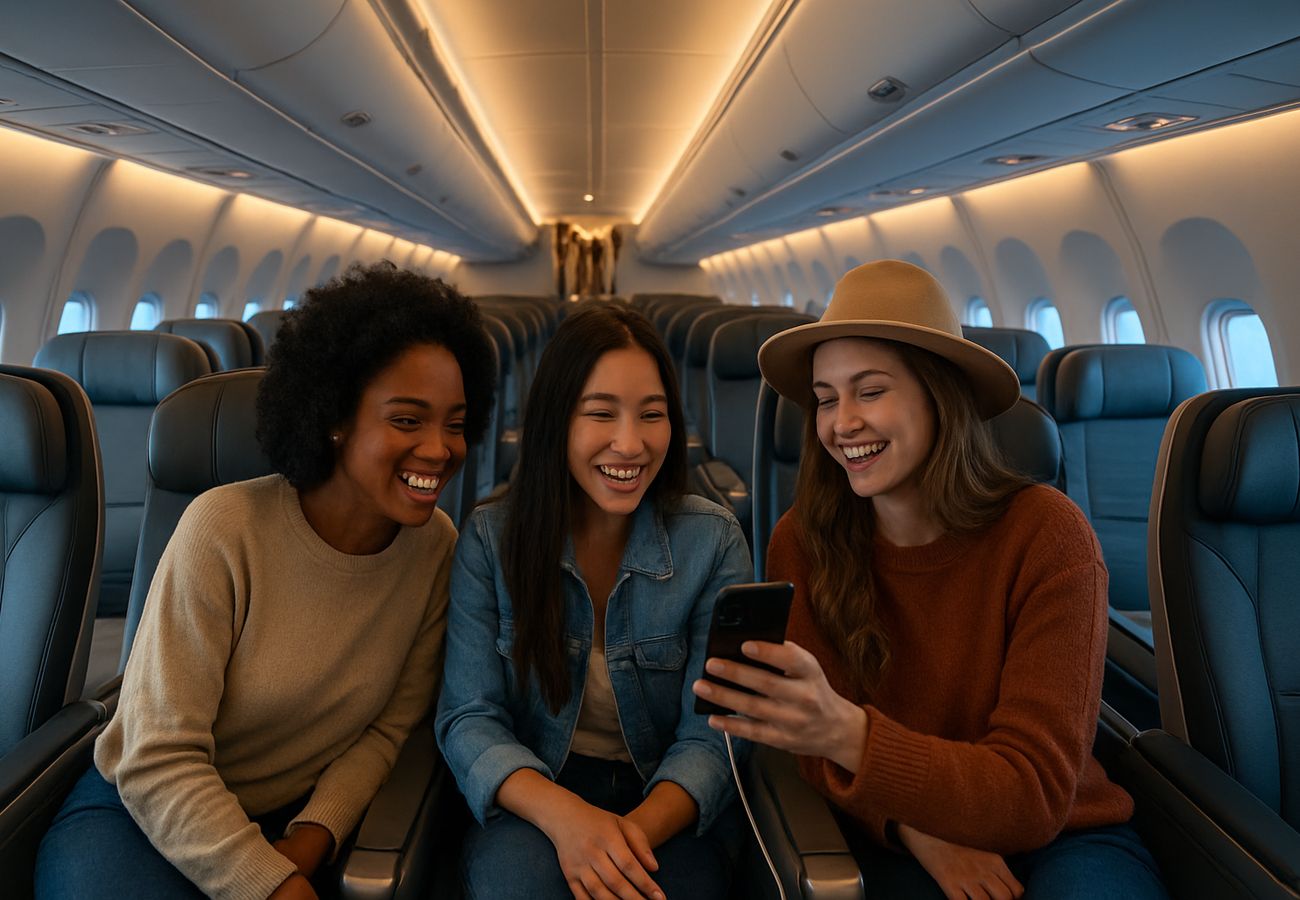
Image generated by AI
American Airlines is embarking on one of the most comprehensive narrowbody fleet transformations in recent aviation history. The carrier is retrofitting its entire Airbus A319 and A320 fleet with a bold redesign that blurs the line between domestic short-haul comfort and long-haul luxury. What's driving this shift? Passengers now expect premium amenities on every flight—regardless of duration.
The initiative signals a seismic change in how U.S. carriers approach cabin competition. Gone are the days when premium cabins were reserved exclusively for transcontinental and international flights. American Airlines is betting that even 90-minute regional hops demand the same caliber of comfort, connectivity, and design consistency that travelers experience on their Boeing 787-9s and Airbus A321XLRs.
Premium Cabin Design Inspired by Next-Generation Long-Haul Standards
Walk into one of these newly redesigned narrowbody cabins, and you're stepping into a direct descendant of American's flagship long-haul interiors. The A319 and A320 upgrades draw design language directly from the airline's Boeing 787-9 and Airbus A321XLR fleets—creating visual and functional harmony across the entire network.
The aesthetic transformation is immediately apparent. Enhanced finishes and modern materials replace dated cabin aesthetics. But this isn't cosmetic window dressing. Overhead storage has been physically expanded, giving economy passengers relief from the perpetual carry-on baggage squeeze that defines modern air travel. Adjustable lighting systems now respond to different flight phases, reducing fatigue on short hops and creating a more sophisticated ambiance.
The premium cabin itself has been completely reimagined. New privacy-focused wingback seats wrap around passengers like a cocoon, replacing the open, exposed feeling of traditional narrowbody seating. Integrated storage compartments are built directly into seat structures. Dual cocktail-style tray tables—a feature previously reserved for business class—are now standard in the premium cabin.
Reddit: "Finally, a U.S. carrier treating domestic premium like actual premium. These wingback seats look like they're from business class." — r/Flights
The Connectivity Revolution: AT&T Wi-Fi Today, Starlink Tomorrow
Here's where American Airlines is placing its boldest bet. The airline has partnered with AT&T to expand free Wi-Fi access across the entire narrowbody fleet. Loyalty program members gain seamless connectivity from gate to gate—a feature that transforms cabin time from dead zone into productive workspace.
But the real game-changer arrives in 2027: Starlink-powered internet. American is joining the global race for high-speed satellite connectivity at altitude, promising speeds that finally match ground-based networks. This positions the airline within a competitive bracket currently occupied by airlines experimenting with next-generation satellite internet infrastructure.
Every single seat in the upgraded cabins features USB-C power outlets. This single detail reflects a fundamental truth about modern travel: aircraft cabins must function as mobile offices, entertainment hubs, and digital workspaces simultaneously. A business traveler who can't charge their laptop or phone during a flight experiences genuine frustration—a friction point American is eliminating.
Enhanced In-Flight Service: Dining and Beverage Refresh
Premium cabin transformation extends beyond physical comfort. American has redesigned its entire onboard dining philosophy. Chef-inspired menus replace generic snack options with curated selections designed for actual enjoyment.
Main cabin passengers now encounter upgraded meal options: fruit and cheese combinations, roasted turkey sandwiches, and intentionally designed snack boxes that balance convenience with genuine taste. This isn't a minor tweak—it reflects a strategic shift toward making economy travel feel individualized rather than industrial.
Beverage service receives equal attention. The goal is clear: create a unified premium experience across all cabin classes. Economy passengers flying on an upgraded A320 experience dining that feels intentional, not afterthought.
Fleet Retrofit Strategy: 12 Premium Seats on A319, 16 on A320
The numbers reveal American's strategic commitment. The A319 retrofit adds 12 premium seats, while the A320 adds 16. This represents a significant shift in capacity allocation—the airline is betting heavily that domestic and short-haul international routes increasingly justify premium pricing.
This retrofit strategy creates a unified experience for frequent flyers. A passenger traveling multiple times monthly across American's network encounters consistent cabin design, service standards, and amenities regardless of aircraft type. That consistency compounds loyalty.
Simultaneously, American continues introducing newer long-haul aircraft like the Boeing 787-9 and Airbus A321XLR, both equipped with Flagship Suite premium products. Older long-haul fleets—Boeing 777-300ER and 777-200ER aircraft—are also receiving upgrades. Projections indicate over 50 percent growth in premium long-haul seating capacity by decade's end.
Strategic Vision: Premium Leadership in Narrowbody Aviation
This investment strategy reflects a deeper ambition than mere cabin refresh. American Airlines is reshaping passenger expectations across both domestic and international markets. The airline is positioning itself to capture growing premium demand while maintaining scalable infrastructure.
Design consistency, digital connectivity, and expanded premium seating create a unified travel proposition. These upgrades directly address what modern travelers now demand: comfort, space, and reliable connectivity across all flight durations.
As competition intensifies among U.S. carriers, American's willingness to invest substantially in narrowbody cabin transformation provides a competitive moat. The airline isn't just moving seats around—it's fundamentally redefining what passengers expect from flights under three hours.
The transformation of the A319 and A320 fleet marks a watershed moment in narrowbody aviation. Short-haul journeys will never feel the same.
American Airlines is betting that premium doesn't mean distance—it means everywhere.
Related Travel Guides
Disclaimer
This article is for informational and educational purposes only. It does not constitute legal, financial, or professional advice. While we strive to provide accurate and up-to-date information, travel policies, regulations, and conditions change rapidly. Always verify information with official sources before making travel decisions. Nomad Lawyer makes no representations about the accuracy, reliability, completeness, or suitability of the information provided. Readers should consult qualified professionals for advice specific to their circumstances. The views expressed in this article are those of the author and do not necessarily reflect the views of Nomad Lawyer.
Raushan Kumar
Founder & Lead Developer
Full-stack developer with 11+ years of experience and a passionate traveller. Raushan built Nomad Lawyer from the ground up with a vision to create the best travel and law experience on the web.
Learn more about our team →