
Alsotell Invests €500 Million to Transform Luxury Hotel Landscape Across Spain and Portugal in 2026
Spanish real estate firm Alsotell is deploying a €500 million investment strategy to redefine Iberian hospitality, focusing on sustainable luxury and experiential destinations in Spain and Portugal.

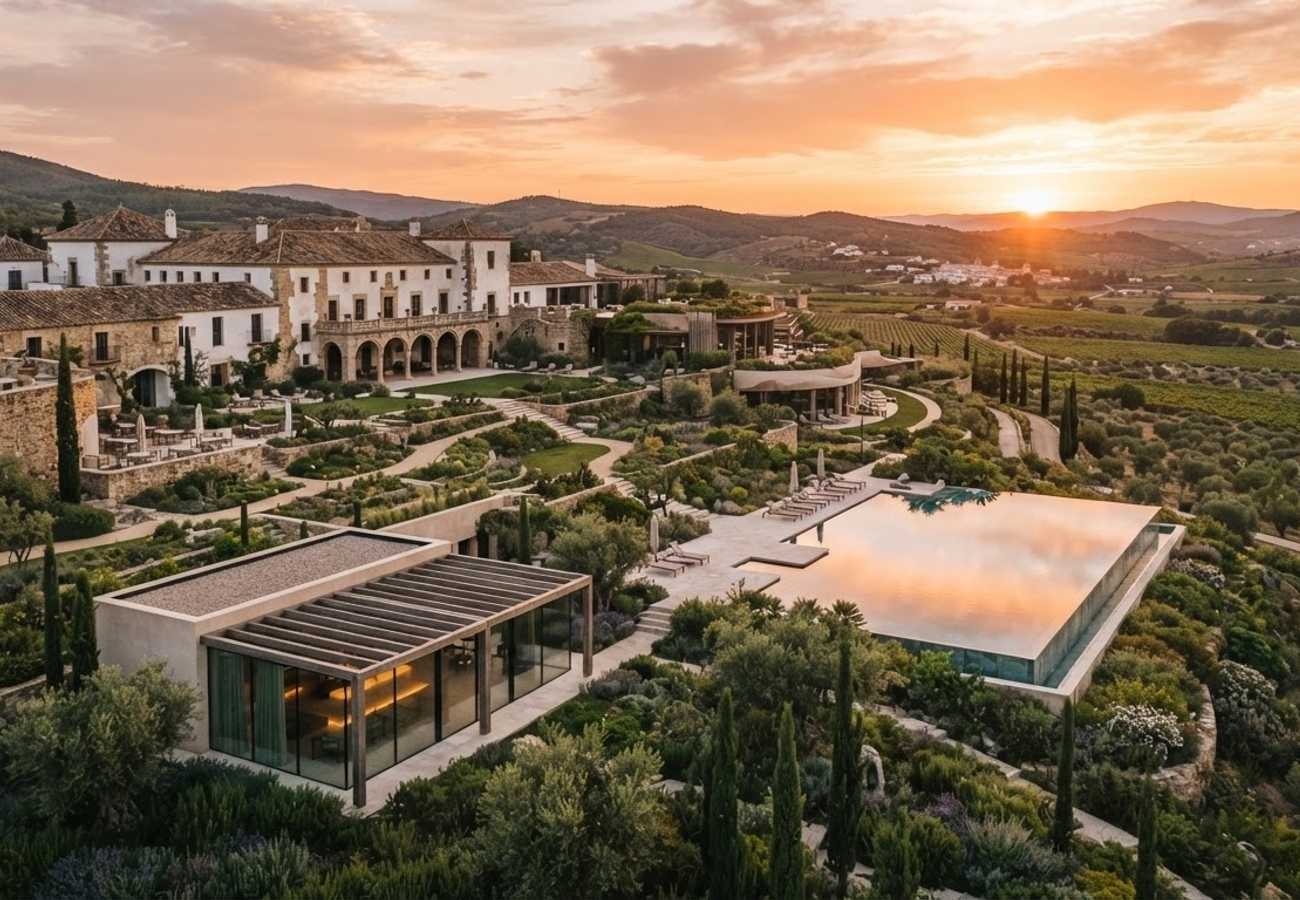
Image generated by AI
A massive €500 million capital injection from Alsotell is currently reshaping the luxury hospitality sector across Spain and Portugal, signaling a departure from traditional five-star models toward experiential "lifestyle destinations." This strategic pivot comes as high-net-worth travelers increasingly prioritize wellness, ecological responsibility, and local cultural immersion over conventional opulence.
The Iberian Peninsula is currently the site of a significant ideological battle in the travel industry. For years, the gold standard of luxury was defined by heritage and exclusivity, epitomized by legendary properties such as the Majestic Hotel & Spa Barcelona and the Marbella Club Hotel. However, 2026 marks a turning point where "luxury" is being redefined as a holistic ecosystem integrating nature, health, and authentic local identity.
Alsotell Deploys €500 Million Strategic Capital in Iberia
Horacio Alcala, CEO of Alsotel Orthia, has outlined an aggressive growth strategy aimed at capturing the evolving demands of the modern traveler. The Spanish real estate entity has committed over €500 million to its hospitality portfolio, with a specific emphasis on the revitalization of existing assets. Of this total, more than €300 million is dedicated exclusively to the redevelopment of hotel properties.
Having entered the market roughly a decade ago, Alsotell has shifted its focus toward sustainable growth. This move is a direct response to the escalating cost of luxury acquisitions, which has made the purchase of prime, ready-made assets increasingly difficult. By focusing on redevelopment, the firm is able to mold properties to meet contemporary consumer requirements.
In Portugal, the expansion is being driven by a strategic alliance with Quest Capital. One flagship project involves the conversion of a historic palace into a dual-purpose destination featuring 130 hotel rooms and 30 branded residential units. Additionally, Alsotell is advancing a new development in Sintra under the Tribute Portfolio and Autograph brands, further cementing Portugal's status as a premier global tourism hub.
Within Spain, the firm is diversifying its approach by exploring function-based and select-service hotel concepts. This diversification is particularly evident in Madrid, where competition in the premium sector has reached an all-time high.
Sustainability and Tech Integration in Spanish Hospitality
Environmental stewardship has moved from a corporate buzzword to a core operational requirement for Alsotell. The company is implementing a rigorous sustainability framework that includes:
- Green Certifications: Developing Madrid’s first three-star hotel to achieve LEED Gold certification.
- Circular Economy: Utilizing recycled ocean plastics in hotel infrastructure.
- Social Impact: Establishing dedicated employment programs for women and partnering with non-profits to provide room availability for charitable causes.
Parallel to these green initiatives is a heavy investment in digital transformation. Alsotell is integrating advanced technological solutions into its management and franchise agreements. These digital tools are designed to optimize operational efficiency and streamline the guest experience, ensuring the Iberian hospitality sector remains competitive on a global scale.
Redefining Luxury for the 2026 Traveler
The shift in investment reflects a fundamental change in what the modern luxury guest values. The era of relying solely on a prestigious address or gilded interiors is ending. Today's high-end travelers are seeking "meaningful stays" characterized by:
- Hyper-Localism: Authentic experiences that connect guests with the surrounding community.
- Regenerative Wellness: Comprehensive health programs that go beyond a standard spa treatment.
- Eco-Conscious Travel: Transparently sustainable operations and carbon-neutral options.
- Personalization: Tailored journeys and private cultural access.
This transition is moving the industry from the "hotel stay" model to the "destination experience" model. A modern luxury property is no longer just a place to sleep; it is a comprehensive ecosystem comprising wellness centers, fine dining, private residences, and curated cultural activities.
Benchmarking the Titans of Iberian Luxury
While new concepts are rising, established icons continue to set the baseline for the region.
Four Seasons Hotel Madrid remains a dominant force in urban luxury. By blending historic architecture with international service standards, it has successfully integrated shopping, wellness, and dining into a single urban hub. Its strength lies in its global brand equity and a massive wellness offering that appeals to the health-conscious corporate and leisure traveler.
Marbella Club Hotel continues to lead the Mediterranean segment through a strategy of discretion and heritage. Its competitive edge is emotional; guests return for the atmosphere and the long-standing relationships the hotel has cultivated over decades. However, it now faces pressure to integrate the environmental and wellness demands of a younger, more conscious demographic.
Finca Cortesin serves as the blueprint for the modern luxury resort. By offering a total escape that combines privacy with high-end Mediterranean surroundings, it satisfies the demand for personal transformation and relaxation. The next evolution for such resorts will involve deeper integration of regenerative tourism and eco-friendly architecture.
Majestic Hotel & Spa Barcelona represents the pinnacle of classic European elegance. While its central location and historic prestige remain unmatched, the Barcelona market is seeing a surge in demand for modern design and personalized, experience-led journeys, forcing heritage hotels to modernize without losing their soul.
The Convergence of Wellness and Sustainability
The most significant advantage in the current market is the intersection of health and ecology. Luxury is now measured by a hotel's ability to improve a guest's wellbeing while protecting the planet. Leading properties are now investing heavily in renewable energy, responsible water management, and the sourcing of local organic products.
The winners of the 2026 hospitality race will be those who can successfully marry the gold-standard service of global brands with a fierce, authentic local identity.
The era of generic luxury is over; the era of the experiential destination has arrived.
Related Travel Guides
Disclaimer
This article is for informational and educational purposes only. It does not constitute legal, financial, or professional advice. While we strive to provide accurate and up-to-date information, travel policies, regulations, and conditions change rapidly. Always verify information with official sources before making travel decisions. Nomad Lawyer makes no representations about the accuracy, reliability, completeness, or suitability of the information provided. Readers should consult qualified professionals for advice specific to their circumstances. The views expressed in this article are those of the author and do not necessarily reflect the views of Nomad Lawyer.
Preeti Gunjan
Contributor & Community Manager
A passionate traveller and community builder. Preeti helps grow the Nomad Lawyer community, fostering engagement and bringing the reader experience to life.
Learn more about our team →