
Allegiant Air Launches 19 New Routes in Historic Three-Day Expansion Push
Breaking airline news and aviation industry updates for 2026.

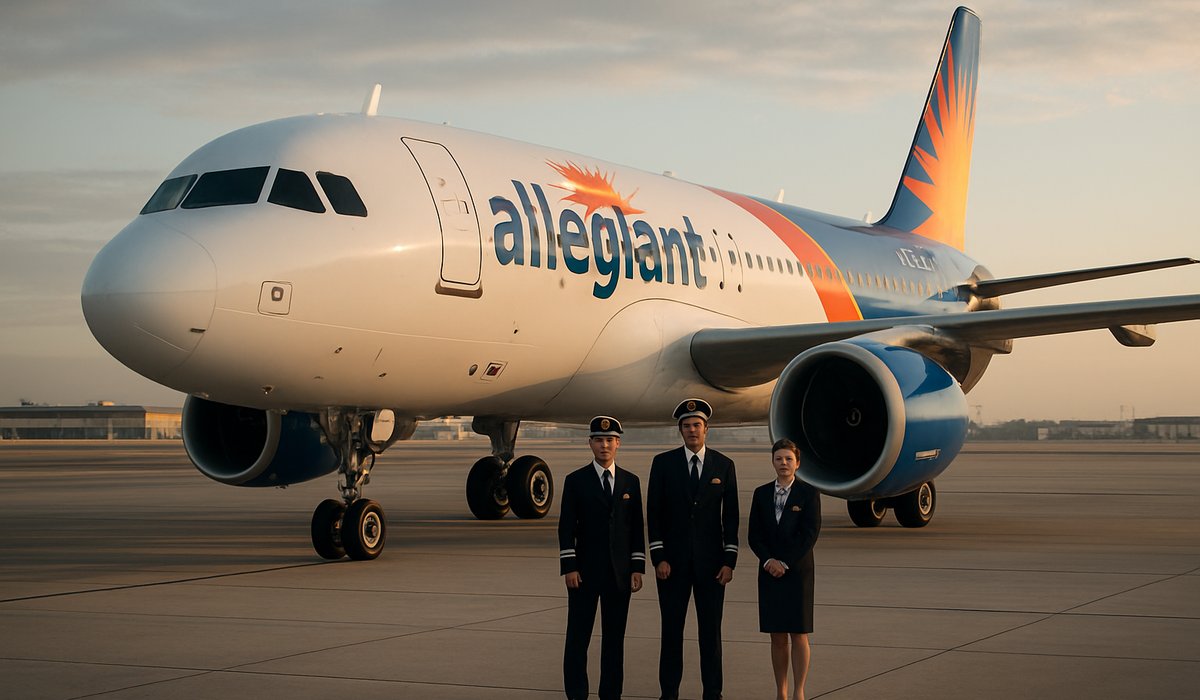
Image generated by AI
Allegiant Air Launches 19 New Routes in Historic Three-Day Expansion Push
Ultra-low-cost carrier accelerates growth strategy with rapid service rollout across multiple markets
Rapid Expansion Signals Shifting Dynamics in U.S. Aviation Market
Allegiant Air is executing an aggressive network expansion, with 19 new routes set to commence operations between May 20 and May 22—a concentrated deployment that underscores the ultra-low-cost carrier's strategy to capture market share in an increasingly competitive aviation landscape. The three-day launch window represents a significant operational undertaking for the Las Vegas-based airline and signals renewed confidence in leisure travel demand following economic pressures that have dominated the industry.
Strategic Timing Amid Industry Volatility
The timing of Allegiant's expansion comes as the broader aviation sector navigates persistent challenges including elevated jet fuel prices and evolving passenger demand patterns. The rapid introduction of multiple new routes simultaneously allows the airline to optimize fleet utilization and capitalize on route opportunities before competitors establish dominance in emerging markets.
This expansion approach differs from the measured, sequential rollout traditionally favored by legacy carriers like United, Delta, and American Airlines. By concentrating new service launches over 72 hours, Allegiant can generate sustained media attention and marketing momentum while demonstrating operational agility—a competitive advantage in the ultra-low-cost carrier segment.
Market Implications and Competitive Pressure
The scale of Allegiant's expansion reflects broader trends in aviation, where smaller carriers continue pressuring legacy operators by entering underserved markets with lower operating costs and simplified business models. The carrier's aggressive growth trajectory may influence pricing strategies across affected routes, potentially benefiting cost-conscious leisure travelers while pressuring regional carriers and established competitors.
Industry analysts view such rapid expansion initiatives as indicators of airline confidence in summer travel recovery and demand resilience despite macroeconomic headwinds. For destinations gaining new Allegiant service, the development typically translates to increased tourism potential and enhanced connectivity to leisure markets.
What This Means for Travelers
Passengers in newly serviced markets will benefit from expanded flight options and competitive pricing typical of Allegiant's ultra-low-cost model. However, travelers should remain mindful of the carrier's ancillary fee structure, where baggage charges, seat selection fees, and other add-ons constitute significant revenue components—a pricing model that distinguishes budget carriers from full-service alternatives.
The expansion reinforces Allegiant's positioning as a growth-focused operator willing to make bold strategic moves despite industry headwinds, potentially reshaping travel patterns across multiple U.S. markets over the coming months.
FAQ: Allegiant Air Expansion and Ultra-Low-Cost Aviation
What is Allegiant Air's baggage fee policy? Allegiant Air charges fees for checked baggage and carry-on items beyond a personal item, though specific pricing varies by route and booking tier.
How do ultra-low-cost airline fees compare to legacy carriers? Budget airlines like Allegiant typically charge separately for baggage, seat selection, and other services, resulting in lower base fares but potentially higher total ticket costs compared to full-service carriers.
Why are airlines launching multiple new routes simultaneously? Concentrated route launches generate marketing efficiency, allow airlines to optimize fleet positioning, and create competitive advantages in emerging markets before competitors establish service.
How do jet fuel prices impact airline expansion decisions? Elevated fuel costs directly influence route profitability calculations, making carriers more selective about expansion; however, routes with strong demand economics remain attractive regardless of fuel price volatility.
Which markets typically benefit most from ultra-low-cost carrier expansion? Leisure destinations, underserved secondary cities, and markets with limited competitive service typically see significant benefits from budget carrier route additions.
Related Travel Guides
Flight Delay Compensation Guide 2026
Understanding Airline Route Changes
Airport Security Process Updated (2026)
External Resources
Disclaimer
This article is for informational and educational purposes only. It does not constitute legal, financial, or professional advice. While we strive to provide accurate and up-to-date information, travel policies, regulations, and conditions change rapidly. Always verify information with official sources before making travel decisions. Nomad Lawyer makes no representations about the accuracy, reliability, completeness, or suitability of the information provided. Readers should consult qualified professionals for advice specific to their circumstances. The views expressed in this article are those of the author and do not necessarily reflect the views of Nomad Lawyer.
Preeti Gunjan
Contributor & Community Manager
A passionate traveller and community builder. Preeti helps grow the Nomad Lawyer community, fostering engagement and bringing the reader experience to life.
Learn more about our team →