
Alaska Airlines Dominates West Coast Skies: Major Expansion Unveiled with New Santa Rosa Routes to Phoenix, Salt Lake City, and Boise; Long Beach-Seattle Connection Revived After Decade-Long Hiatus in 2026 Update
Alaska Airlines is significantly bolstering its regional dominance with a multi-route expansion from Santa Rosa, California. In a major move, the carrier is also resurrecting its Long Beach to Seattle service after ten years, providing critical nonstop connectivity for business and leisure travelers in Fall 2026.

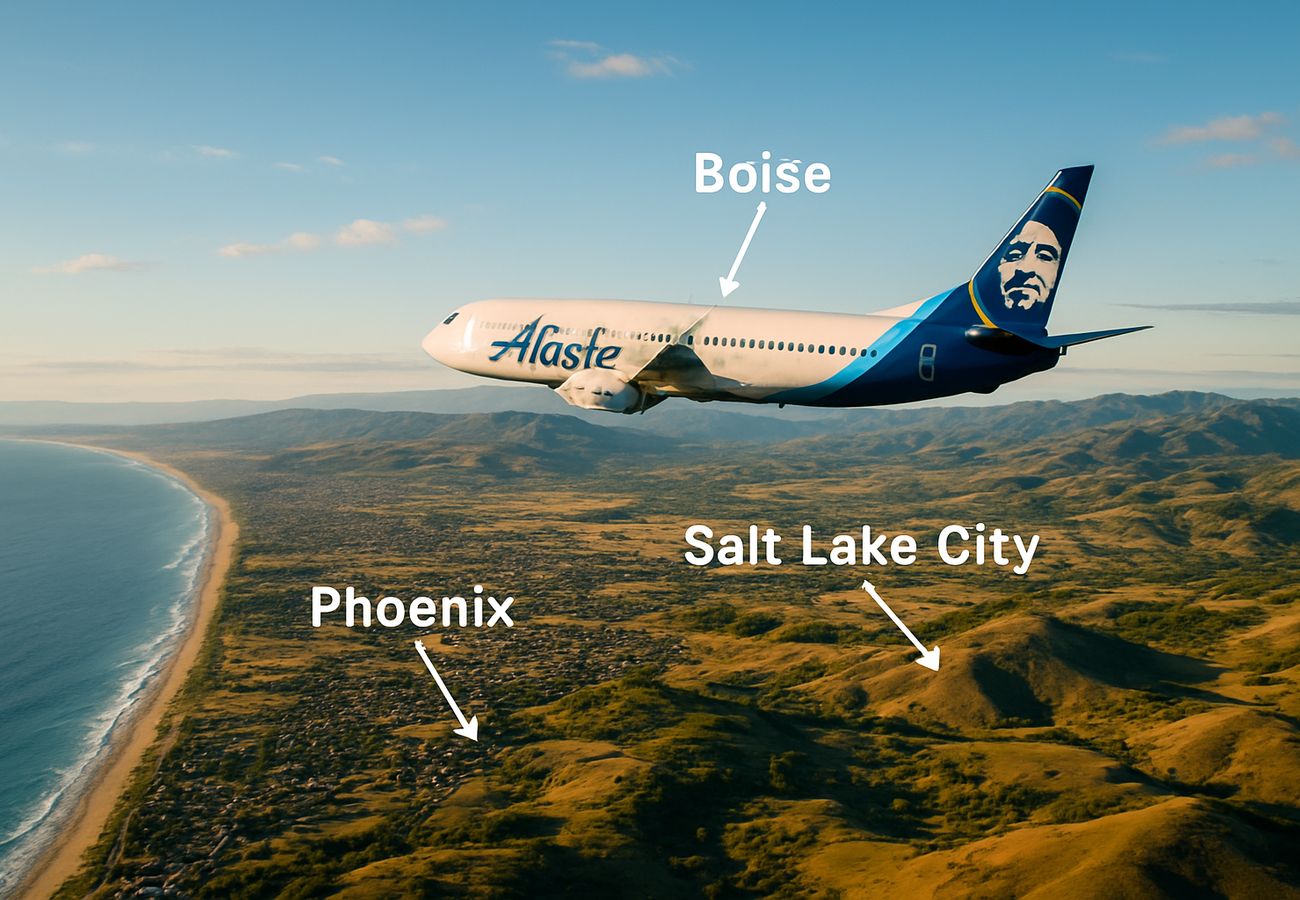
Strengthening the West: Alaska Airlines aggressively expands its footprint from Santa Rosa and Long Beach.
Alaska Airlines Unleashes Bold West Coast Connectivity Surge; Historic Long Beach-Seattle Route Revived as New Santa Rosa Nonstops to Phoenix, Salt Lake City, and Boise Launch in Fall 2026
In a move that solidifies its position as the premier carrier of the Pacific Coast, Alaska Airlines has officially announced a massive network expansion designed to streamline travel across the Western United States. This airline news update confirms that starting in November 2026, the airline will launch three new nonstop routes from Santa Rosa (STS), California, to Phoenix (PHX), Salt Lake City (SLC), and Boise (BOI). Perhaps most significantly, Alaska is also bringing back the much-missed Long Beach (LGB) to Seattle (SEA) connection after a decade-long hiatus, offering two daily flights that cater to the surging demand for point-to-point regional travel. These strategic moves are designed to bypass the travel chaos and airport disruptions often found at larger international hubs, providing a faster, more convenient path for both leisure and business travelers.
The expansion reflects a broader industry trend toward "Regional Resilience." By leveraging secondary gateways like Santa Rosa and Long Beach, Alaska Airlines is effectively creating a high-frequency grid that links key economic and recreational centers. For the tech-driven professional or the outdoor adventurer, these new connections represent a significant reduction in travel time and a definitive shift toward a more decentralized, efficient West Coast aviation network.
Expanded Overview: The Connectivity Surge of 2026
The Fall 2026 expansion is a masterclass in "Point-to-Point" strategy. By focusing on Santa Rosa, Alaska is tapping into the affluent North Bay market, offering residents a direct path to the desert, the mountains, and the Pacific Northwest without the need to navigate the congestion of San Francisco or Oakland. This aviation update highlights that the airline is not just adding flights; it is building a "Connectivity Bridge" that connects California’s wine country with the burgeoning tech and outdoor hubs of the American West.
Furthermore, the revival of the Long Beach-Seattle corridor is a direct response to the "Tech Migration" occurring between Southern California and the Pacific Northwest. With two flights per day, Alaska is positioning itself as the primary choice for professionals at Amazon, Microsoft, and Starbucks who value the convenience of Long Beach’s streamlined terminal experience.
Section-Wise Breakdown: New Gateways and Revived Links
Santa Rosa (STS): The North Bay’s New Powerhouse
Santa Rosa is becoming the focal point of Alaska’s regional strategy. Starting in November, the airline will link STS with three major Western hubs:
- Phoenix (PHX): Bridging the gap between the Redwood forests and the Sonoran Desert. This route is expected to be a top performer for both winter "snowbirds" and business professionals connecting with the Arizona aerospace and tech sectors.
- Salt Lake City (SLC): A direct gateway to the Wasatch Mountains. For the Northern California adventurer, this route provides instant access to world-class skiing, hiking, and the primary transit point for Utah’s national parks.
- Boise (BOI): Connecting two of the fastest-growing regions in the West. This route caters to the "Scenery Seekers" and the increasing number of families relocating to the Pacific Northwest.
Long Beach (LGB): The Triumphant Seattle Revival
After ten years of absence, the Long Beach to Seattle route is making a triumphant return. Long Beach has long been a favorite for its "Stress-Free" atmosphere, and its reconnection to Seattle is a major win for the local community. By operating two daily flights, Alaska is ensuring that travelers have the flexibility they need for day trips or extended business stays in the Emerald City. This revival is expected to significantly reduce the travel chaos experienced by passengers who previously had to drive to LAX for a direct flight to Washington.
Seattle (SEA): Strengthening the Corporate Corridor
As Alaska’s primary hub, Seattle remains the anchor for this expansion. The increased connectivity from Long Beach and Santa Rosa ensures that the SEA hub continues to serve as the ultimate transit point for the Pacific Northwest. The focus here is on "Corporate Synergy," providing seamless connections for the thousands of professionals who move between the tech hubs of California and Washington every week.
Alaska Airlines West Coast Expansion Profile: Fall 2026
The following table summarizes the new routes and operational frequencies for the upcoming season.
Alaska Airlines: Fall 2026 Route Expansion Matrix
| Route Origin | Destination City | Frequency | Launch Window |
|---|---|---|---|
| Santa Rosa (STS) | Phoenix (PHX) | Daily Nonstop | November 2026 |
| Santa Rosa (STS) | Salt Lake City (SLC) | Daily Nonstop | November 2026 |
| Santa Rosa (STS) | Boise (BOI) | Daily Nonstop | November 2026 |
| Long Beach (LGB) | Seattle (SEA) | 2x Daily Nonstop | Fall 2026 |
| Seattle (SEA) | Santa Rosa (STS) | Increased Capacity | Ongoing |
Passenger Impact: Efficiency, Flexibility, and Local Convenience
For the West Coast traveler, the impact of these new routes is immediate. The focus is on "Convenience-Driven Aviation." By utilizing Santa Rosa and Long Beach, passengers can enjoy shorter security lines, easier parking, and a more personalized terminal experience. For a business traveler, the two daily flights between LGB and SEA mean the difference between a productive day in Seattle and a wasted afternoon in transit.
Furthermore, the direct links to outdoor destinations like Boise and Salt Lake City encourage "Spontaneous Exploration." Travelers can now move from the vineyards of Sonoma to the mountains of Idaho in less than two hours, a significant improvement over the multi-segment journeys that were previously required. This expansion is about giving time back to the passenger, a rare commodity in today’s busy aviation landscape.
Industry Analysis: The Strategic 'West Coast Dominance' Play
Aviation industry experts view Alaska’s 2026 expansion as a defensive and offensive masterstroke. By securing its footprint in secondary California airports, Alaska is effectively locking out competitors and solidifying its brand as the "Hometown Carrier" of the West. The revival of the Long Beach route, in particular, is seen as a way to capture the "Premium Leisure" market that prefers smaller, more boutique airport experiences over the sprawl of LAX.
"Alaska is playing to its strengths," says one senior aviation journalist. "They know the West Coast better than anyone, and by connecting these specific city pairs, they are building a network that is both highly profitable and incredibly resilient to the airport disruptions that plague larger carriers."
Conclusion: A More Connected Pacific Coast
As Alaska Airlines rolls out its Fall 2026 schedule, the vision of a more connected and efficient West Coast is becoming a reality. From the redwoods of Santa Rosa to the tech towers of Seattle and the desert heat of Phoenix, the airline is weaving a tapestry of connectivity that serves the modern traveler. By reviving historic routes and pioneering new ones, Alaska is not just flying planes; it is facilitating the economic and recreational lifeblood of the region. For those who call the West Coast home, the skies have never looked more inviting.
Key Takeaways
- Alaska Airlines launches three new nonstop routes from Santa Rosa (STS) to Phoenix, Salt Lake City, and Boise in November 2026.
- The Long Beach (LGB) to Seattle (SEA) route returns after a decade-long hiatus with two daily flights.
- Expansion focuses on secondary airports to help passengers avoid travel chaos at major hubs.
- Daily nonstop services enhance connectivity between California’s North Bay and major Western hubs.
- LGB-SEA revival caters to the high demand for tech corridor travel and business flexibility.
- Strategic positioning reinforces Alaska's commitment to being the premier carrier of the Pacific Coast.
- Enhanced convenience features include shorter transit times and a more streamlined airport experience.
/article-footer-standard
Related Travel Guides:
Disclaimer
This article is for informational and educational purposes only. It does not constitute legal, financial, or professional advice. While we strive to provide accurate and up-to-date information, travel policies, regulations, and conditions change rapidly. Always verify information with official sources before making travel decisions. Nomad Lawyer makes no representations about the accuracy, reliability, completeness, or suitability of the information provided. Readers should consult qualified professionals for advice specific to their circumstances. The views expressed in this article are those of the author and do not necessarily reflect the views of Nomad Lawyer.
Kunal K Choudhary
Co-Founder & Contributor
A passionate traveller and tech enthusiast. Kunal contributes to the vision and growth of Nomad Lawyer, bringing fresh perspectives and driving the community forward.
Learn more about our team →