
Alaska Airlines Doubles Dedicated Cargo Fleet to Nine Boeing 737-800 Freighters for Pacific Operations in 2027
Alaska Airlines secures four Boeing 737-800 Converted Freighters, doubling its cargo fleet to nine planes by early 2027 to boost Pacific supply chains.

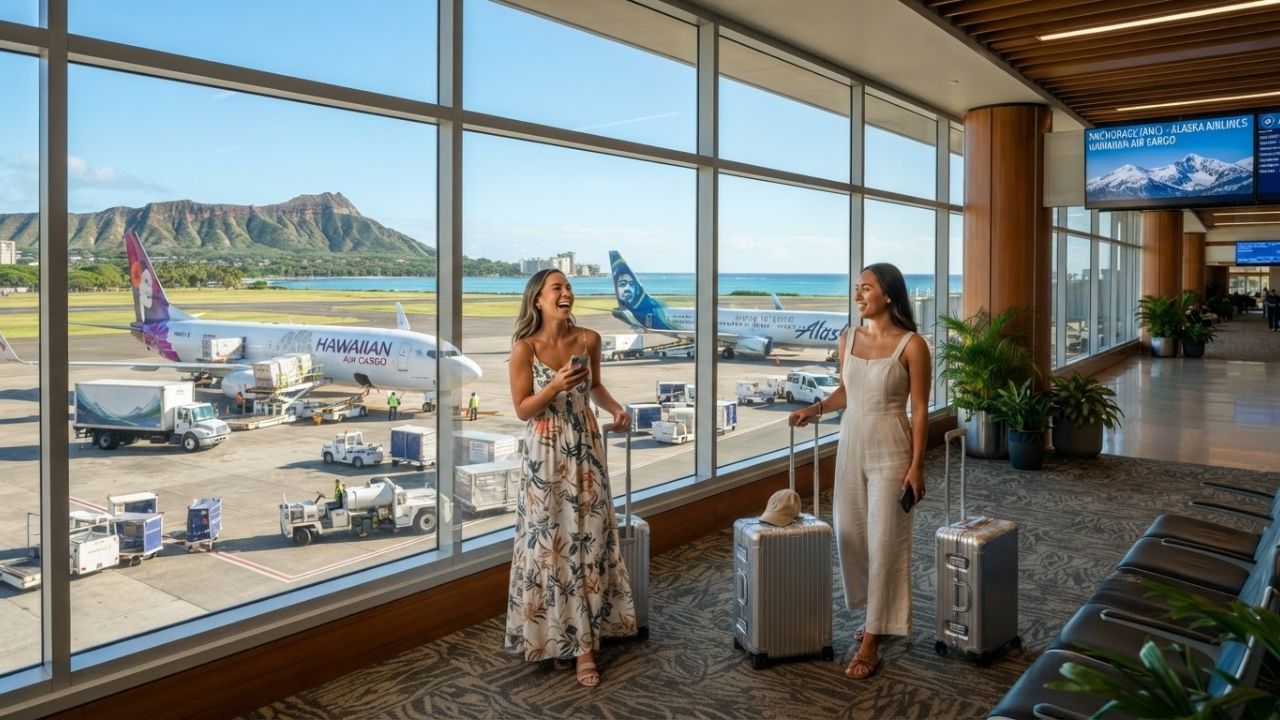
Image generated by AI
Alaska Airlines Doubles Dedicated Cargo Fleet to Nine Boeing 737-800 Freighters for Pacific Operations in 2027
Alaska Airlines has signed long-term leases for four Boeing 737-800 Converted Freighters, expanding its dedicated cargo fleet from five to nine aircraft by early 2027.
The Disruption Details
Flight operational data and corporate disclosures confirm that Alaska Airlines has finalized lease agreements for four additional Boeing 737-800 Converted Freighter (BCF) aircraft. Scheduled to enter service in the first half of 2027, the fleet addition doubles the airline's dedicated air freight fleet from five to nine planes.
Operating under the carrier's Alaska Accelerate strategic growth framework following its acquisition of Hawaiian Airlines, the expanded cargo fleet will reinforce air links across the Pacific Northwest, Alaska, and the Hawaiian Islands. Dedicated freighter operations serving Hawaii will fly under the Hawaiian Air Cargo livery while integrated into a unified operating network.
Flight & Airport Impact Breakdown
- Fleet Expansion Metrics: Dedicated freighter fleet increases from 5 to 9 aircraft (doubling capacity).
- Aircraft Model: Boeing 737-800 Converted Freighter (BCF).
- Entry to Service: First half of 2027.
- Primary Hub Gateways: Seattle-Tacoma International Airport (SEA), Ted Stevens Anchorage International Airport (ANC), and Daniel K. Inouye International Airport (HNL) in Honolulu.
- Annual Cargo Volume: Transports over 370 million pounds of freight across more than 100 airports.
- Financial Projection: Integrated cargo operations are targeted to generate $150 million in new annual profit under the Alaska Accelerate framework.
- Alliance Connections: Global interline cargo routing via the oneworld alliance.
Passenger Rights & Advisory (Information Gain)
While dedicated freighter aircraft transport commercial freight, doubling cargo capacity directly improves passenger flight operations and traveler protections under U.S. Department of Transportation (DOT) guidelines:
- Unburdened Passenger Hold Capacity: Shifting commercial mail, bulk freight, and seafood shipments to dedicated 737-800BCFs frees up belly-hold space on passenger aircraft, reducing baggage bump rates during peak travel seasons.
- Improved On-Time Performance: Segregating heavy cargo loading from passenger operations prevents tarmac boarding delays, supporting carrier adherence to DOT flight departure schedules.
- Enhanced Luggage Allowances: Travelers carrying oversized sports gear, hunting equipment, or extra luggage to Alaska or Hawaii benefit from higher baggage reliability across non-contiguous domestic routes.
- REAL ID Regulatory Reminder: Passengers flying between the U.S. mainland, Alaska, and Hawaii must present REAL ID-compliant identification or valid passports at TSA security checkpoints.
Industry Analyst View
Our analysis indicates that deploying converted Boeing 737-800BCFs provides an optimal balance of main-deck payload capacity, range, and fuel efficiency compared to legacy 737-700 cargo variants. Converted freighters allow Alaska Air Cargo to maximize container volume across long-haul Pacific routes connecting Anchorage, Seattle, and Honolulu.
Separating freight logistics from passenger aircraft stabilizes revenue streams while insulating passenger operations from regional supply chain bottlenecks. By combining Hawaiian Air Cargo’s island distribution network with Alaska's West Coast footprint, the airline creates a high-yield cargo bridge spanning 100 destinations across North America and the Pacific.
Disclaimer
This article is for informational and educational purposes only. It does not constitute legal, financial, or professional advice. While we strive to provide accurate and up-to-date information, travel policies, regulations, and conditions change rapidly. Always verify information with official sources before making travel decisions. Nomad Lawyer makes no representations about the accuracy, reliability, completeness, or suitability of the information provided. Readers should consult qualified professionals for advice specific to their circumstances. The views expressed in this article are those of the author and do not necessarily reflect the views of Nomad Lawyer.
Kunal K Choudhary
Co-Founder & Contributor
A passionate traveller and tech enthusiast. Kunal contributes to the vision and growth of Nomad Lawyer, bringing fresh perspectives and driving the community forward.
Learn more about our team →