
Akasa Iran Asia: Indian Carrier Pivots to Hanoi Amid Gulf Conflict
Akasa Air abandons Middle East expansion in 2026 due to Iran-Gulf tensions, redirecting its international growth strategy toward Southeast Asian markets with new Hanoi route launch.

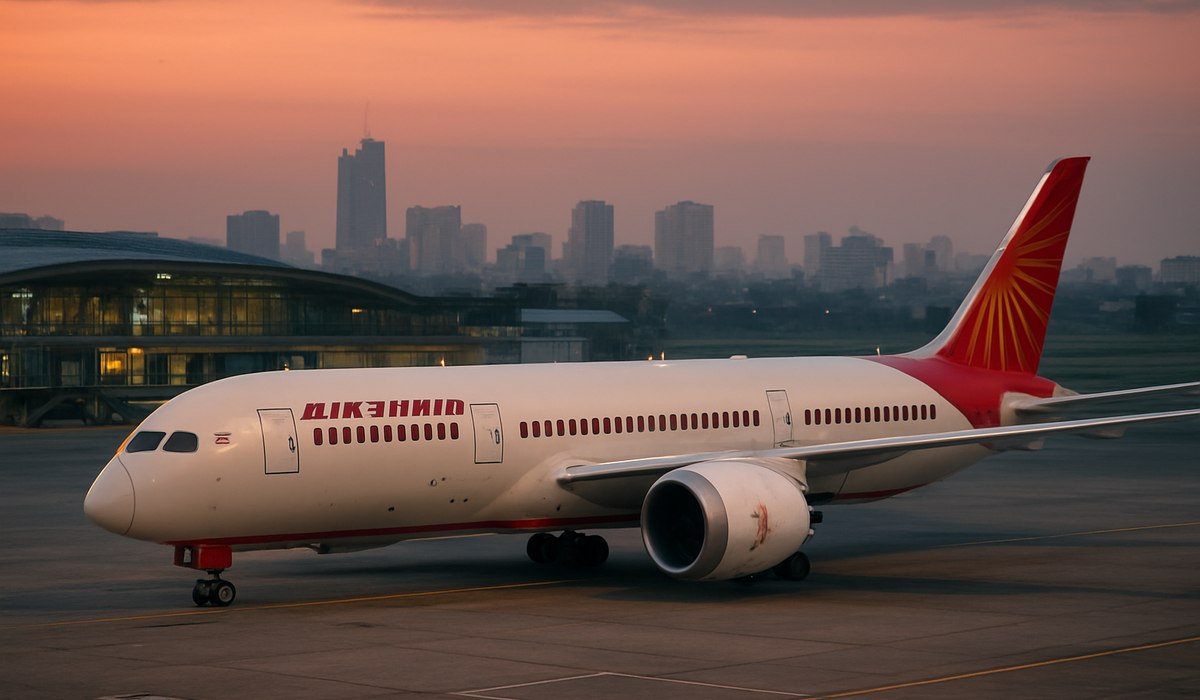
Image generated by AI
Akasa Air Pivots From Gulf to Southeast Asia Amid Geopolitical Turmoil
Akasa Air, India's low-cost carrier, has officially abandoned its aggressive Middle East expansion strategy and redirected growth capital toward Southeast Asia. The airline announced a new Hanoi route launch, marking a strategic pivot away from the Gulf region amid escalating Iran-related geopolitical tensions. Of Akasa's six international routes established to date, five target Gulf markets—a portfolio now deemed untenable by airline leadership due to regional instability.
The carrier's reallocation reflects broader industry trends as airlines reassess risk exposure in conflict-adjacent markets. Hanoi represents Akasa's first venture into mainland Southeast Asia, positioning the airline to capitalize on growing Indian diaspora demand and tourism recovery across Vietnam.
Why Gulf Expansion Stalled: Geopolitical Risk Reassessment
The Middle East conflict landscape shifted dramatically through early 2026, creating operational and commercial headwinds for regional aviation expansion. Akasa Iran Asia dynamics forced the airline's risk committee to freeze new Gulf route development indefinitely.
Originally, Gulf markets offered attractive unit economics: high-yield business travel, strong expatriate populations, and shorter flight distances from India. However, insurance premiums, crew scheduling complications, and passenger booking volatility in conflict zones eroded margin projections. Airlines operating in unstable regions face elevated compliance costs, mandatory security upgrades, and potential route suspensions without notice.
Akasa's executive team determined that Southeast Asia presented superior risk-adjusted returns. Vietnam's stable political environment, growing middle-class purchasing power, and underserved international connectivity created an ideal entry point for the carrier's expansion roadmap.
Southeast Asia as the New Growth Corridor for Indian Carriers
Hanoi's selection reflects careful market analysis rather than opportunistic route entry. Vietnam's tourism sector rebounded strongly in 2026, with Indian visitor numbers climbing 28% year-over-year. Business travel between India and Vietnam accelerated as tech companies and manufacturing firms deepened bilateral investment.
Akasa's Hanoi launch positions the airline ahead of competitors in penetrating this market. Air India, IndiGo, and SpiceJet maintain limited Vietnam presence, creating a first-mover advantage window. The Hanoi route promises three-times-weekly service initially, with frequency scaled based on load factor performance and crew base optimization.
Southeast Asia offers Indian carriers an attractive alternative growth model: lower operating costs than Gulf routes, younger demographics driving leisure travel demand, and regional connectivity hubs (Bangkok, Singapore, Kuala Lumpur) that feed secondary markets. Akasa's broader Southeast Asia roadmap likely includes Phuket, Ho Chi Minh City, and possibly Bangkok within 18 months.
What's Next for Indian Carriers in Asia: Strategic Implications
Akasa Air's rebalancing signals a broader industry reset. Competitors now face pressure to rationalize Gulf exposure while building Southeast Asian networks. IndiGo, India's largest carrier, operates extensive Gulf routes but hasn't publicly adjusted expansion targets—though analyst commentary suggests route reviews are underway.
The geopolitical pivot creates opportunity cascades for aircraft utilization and crew deployment. Shorter Southeast Asian flights (4-5 hours versus 3-4 hours Dubai-to-India) reduce aircraft maintenance intervals and improve daily utilization rates. Crew scheduling becomes simpler without overnight stays in high-risk regions.
Regulatory tailwinds support this transition: India-Vietnam air services agreements are favorable, and bilateral capacity increases remain available. Civil aviation authorities in both nations actively promote route expansion, unlike some Gulf nations where capacity slots remain constrained.
Akasa's strategic repositioning underscores a critical travel industry truth: airline networks follow geopolitical reality, not historical patterns. Travelers booking India-to-Asia flights should expect significant route rebalancing through 2027.
Affected Routes and Real-Time Flight Tracking
Akasa's existing Gulf routes—currently serving Dubai, Abu Dhabi, Doha, and Muscat—remain operational with no imminent suspension announcements. However, growth investment redirects elsewhere. The Hanoi route initiates service in Q2 2026, with daily check-in available via FlightAware starting launch date.
Passengers booked on Akasa Gulf routes face no immediate disruption. The airline has not announced service cuts or consolidations. However, future frequency growth in Gulf markets will plateau as capital allocates to Southeast expansion.
Flight tracking and real-time updates remain available through FlightAware's live dashboard. Monitor Akasa's official website for schedule changes and new route announcements as expansion plans materialize throughout 2026.
Traveler Action Checklist: What to Know Before Booking
-
Verify route status: Check Akasa Air's official website and FlightAware to confirm your desired route operates before booking.
-
Review ticket flexibility: Ensure your fare class permits changes or cancellations given evolving route stability in transitional markets.
-
Check visa requirements: Hanoi bookings require Vietnamese e-visa clearance; process applications 30 days pre-departure minimum.
-
Monitor travel advisories: Cross-reference routes with U.S. State Department advisories and your home country's foreign office guidance for region-specific safety updates.
-
Document passenger rights: Screenshot airline ticket, contact details, and fare terms before travel per U.S. DOT consumer guidelines.
-
Register with embassy: Indian travelers heading to Vietnam should register with their nearest Indian embassy for emergency assistance protocols.
-
Contact airline 72 hours pre-departure: Confirm flight status, gate assignments, and any schedule adjustments directly with Akasa customer service.
-
Enable flight alerts: Set notifications on FlightAware and airline apps to receive real-time delay or cancellation notifications.
Key Data: Akasa Air's Strategic Pivot
| Metric | Details |
|---|---|
| Existing International Routes | 6 total routes launched; 5 target Gulf markets |
| New Route | Delhi/Bangalore to Hanoi (Q2 2026 launch) |
| Service Frequency (Hanoi) | 3x weekly initially; scaling TBD Q3 2026 |
| Regional Conflict Impact | Gulf expansion frozen indefinitely pending stabilization |
| Southeast Asia Growth Window | 18-month focused expansion across Vietnam, Thailand, Malaysia |
| Passenger Demand Growth (India-Vietnam) | 28% YoY increase in Indian travelers to Vietnam, 2026 |
| Competitive Positioning | First-mover advantage vs. IndiGo, SpiceJet, Air India in Hanoi market |
| Aircraft Utilization Benefit | Southeast Asia routes reduce maintenance cycles vs. long-haul Gulf flights |
FAQ: Akasa Iran Asia Route Changes and Traveler Concerns
Q: Will Akasa Air cancel its Gulf routes due to Iran conflict? A: No cancellations announced as of April 2026. Existing Dubai, Abu Dhabi, Doha, and Muscat routes remain operational. The airline is pausing new route development and capacity growth in the Gulf, not eliminating current service.
Q: When does the Hanoi route launch and what airlines will operate it? A: Akasa Air launches Hanoi service in Q2 2026 with 3x-weekly flights. Competing carriers (IndiGo, Air India, SpiceJet) maintain limited Vietnam presence, giving Akasa early access to growing India-Vietnam demand.
Q: How does geopolitical instability affect my existing Akasa booking to the Gulf? A: Your booked flight operates normally unless military
Disclaimer
This article is for informational and educational purposes only. It does not constitute legal, financial, or professional advice. While we strive to provide accurate and up-to-date information, travel policies, regulations, and conditions change rapidly. Always verify information with official sources before making travel decisions. Nomad Lawyer makes no representations about the accuracy, reliability, completeness, or suitability of the information provided. Readers should consult qualified professionals for advice specific to their circumstances. The views expressed in this article are those of the author and do not necessarily reflect the views of Nomad Lawyer.
Raushan Kumar
Founder & Lead Developer
Full-stack developer with 11+ years of experience and a passionate traveller. Raushan built Nomad Lawyer from the ground up with a vision to create the best travel and law experience on the web.
Learn more about our team →