
Airlines Face Fresh Pressure on Ancillary Revenue as Industry Grapples with Evolving Passenger Expectations in 2026
Breaking airline news and aviation industry updates for 2026.

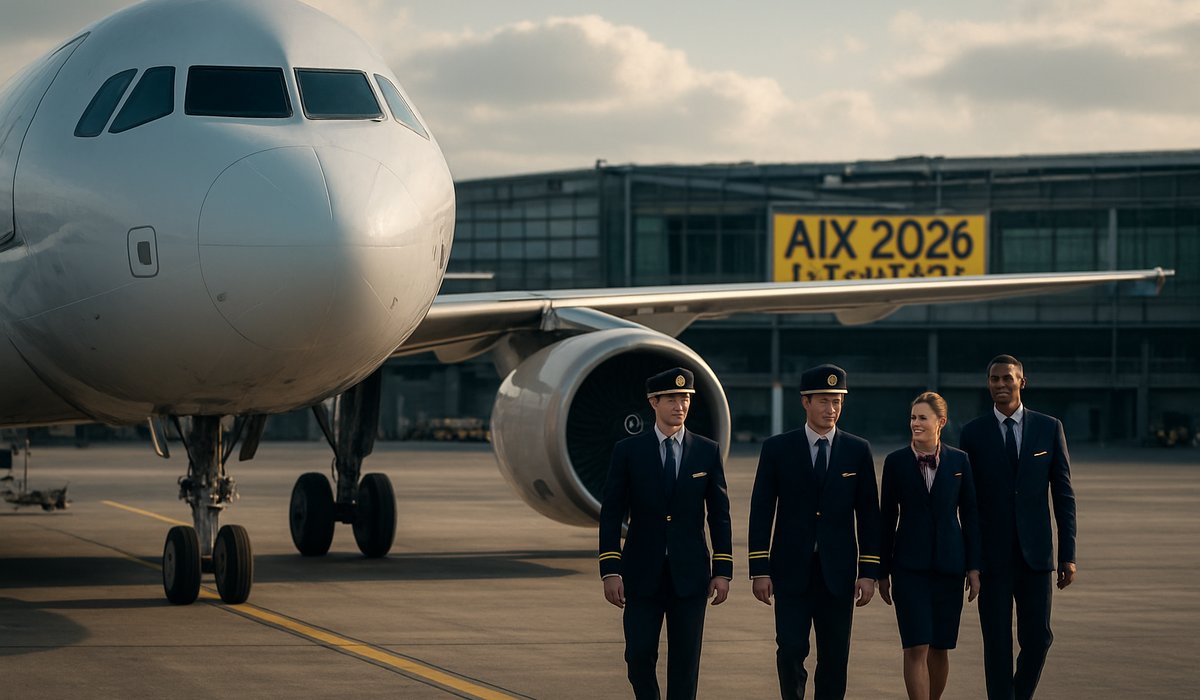
Image generated by AI
Airlines Face Fresh Pressure on Ancillary Revenue as Industry Grapples with Evolving Passenger Expectations in 2026
Real-time coverage from the aviation sector as carriers navigate shifting market dynamics and competitive pressures
Industry Faces Critical Juncture on Service Monetization
The global aviation industry is confronting a pivotal moment as airlines worldwide reassess their approach to ancillary revenue streams, the supplementary charges for baggage, seat selection, and premium services that have become essential to carrier profitability. The pressure intensifies as carriers balance the need to maintain revenue margins amid volatile operating costs against growing consumer resistance to what many travelers perceive as nickel-and-diming practices.
Market Context: Why This Matters Now
The timing of this industry reckoning comes as fuel expenses remain elevated compared to pre-pandemic levels, forcing carriers to maintain aggressive fee structures across baggage charges and seat upgrades. The International Air Transport Association data indicates that ancillary revenues now represent nearly 10% of total airline income globally—a figure that has climbed steadily over the past five years as traditional ticket revenue margins have compressed.
Airlines operating in North America and Europe face particular scrutiny. Regulatory bodies in the European Union have intensified oversight of hidden charges, while U.S. lawmakers have repeatedly questioned whether current fee practices constitute unfair consumer treatment. This regulatory environment adds another layer of complexity to carrier decision-making.
Carrier Response and Strategic Recalibration
Major carriers are adopting differentiated approaches to ancillary monetization. Some operators have begun simplifying fee structures to improve customer satisfaction ratings and reduce friction in the booking process. Others have doubled down on premium cabin offerings and frequent-flyer partnerships, viewing these as more sustainable long-term revenue opportunities than contentious baggage surcharges.
The competitive landscape has intensified as low-cost carriers aggressively undercut traditional full-service airlines on base fares while maintaining aggressive ancillary strategies. This dynamic has forced legacy carriers to reconsider their overall value proposition.
Looking Ahead
Industry observers anticipate continued evolution in how carriers approach revenue diversification throughout 2026. The sustainability of current fee models depends largely on whether airlines can maintain passenger traffic growth despite higher out-of-pocket costs, or whether demand elasticity proves more significant than carrier projections suggest.
Frequently Asked Questions
Q: How much have airline baggage fees increased recently? A: Major carriers have implemented incremental increases ranging from 5-15% over the past 18 months, with first checked bags now averaging $30-40 on U.S. domestic routes.
Q: How do jet fuel prices impact airline fees? A: Elevated jet fuel costs directly compress margins, forcing airlines to rely more heavily on ancillary revenues like baggage and seat selection charges to maintain profitability.
Q: Which airlines charge the most for baggage? A: Ultra-low-cost carriers (Spirit, Frontier) lead in aggressive baggage pricing, while legacy carriers (United, American, Delta) maintain moderate but consistent fee structures.
Q: Are airline fees regulated? A: Limited regulation exists in the U.S., though the EU enforces stricter transparency requirements; U.S. lawmakers have proposed legislation to cap certain ancillary charges.
Q: Will airline fees decrease in 2026? A: Industry consensus suggests fees will remain stable or increase modestly unless significant fuel price declines or demand drops materialize.
Related Travel Guides
Flight Delay Compensation Guide 2026
Understanding Airline Route Changes
Airport Security Process Updated (2026)
External Resources
Disclaimer
This article is for informational and educational purposes only. It does not constitute legal, financial, or professional advice. While we strive to provide accurate and up-to-date information, travel policies, regulations, and conditions change rapidly. Always verify information with official sources before making travel decisions. Nomad Lawyer makes no representations about the accuracy, reliability, completeness, or suitability of the information provided. Readers should consult qualified professionals for advice specific to their circumstances. The views expressed in this article are those of the author and do not necessarily reflect the views of Nomad Lawyer.
Raushan Kumar
Founder & Lead Developer
Full-stack developer with 11+ years of experience and a passionate traveller. Raushan built Nomad Lawyer from the ground up with a vision to create the best travel and law experience on the web.
Learn more about our team →