
Airport Helsinki Defense: F/A-18s Scrambled as Mystery Drone Halts Major Nordic Hub
Helsinki Vantaa Airport operations suspended May 15, 2026 after unidentified drone triggered emergency protocols. Finnish Air Force deployed F/A-18 fighter jets to intercept the mystery aircraft near Europe's vital Nordic aviation hub.

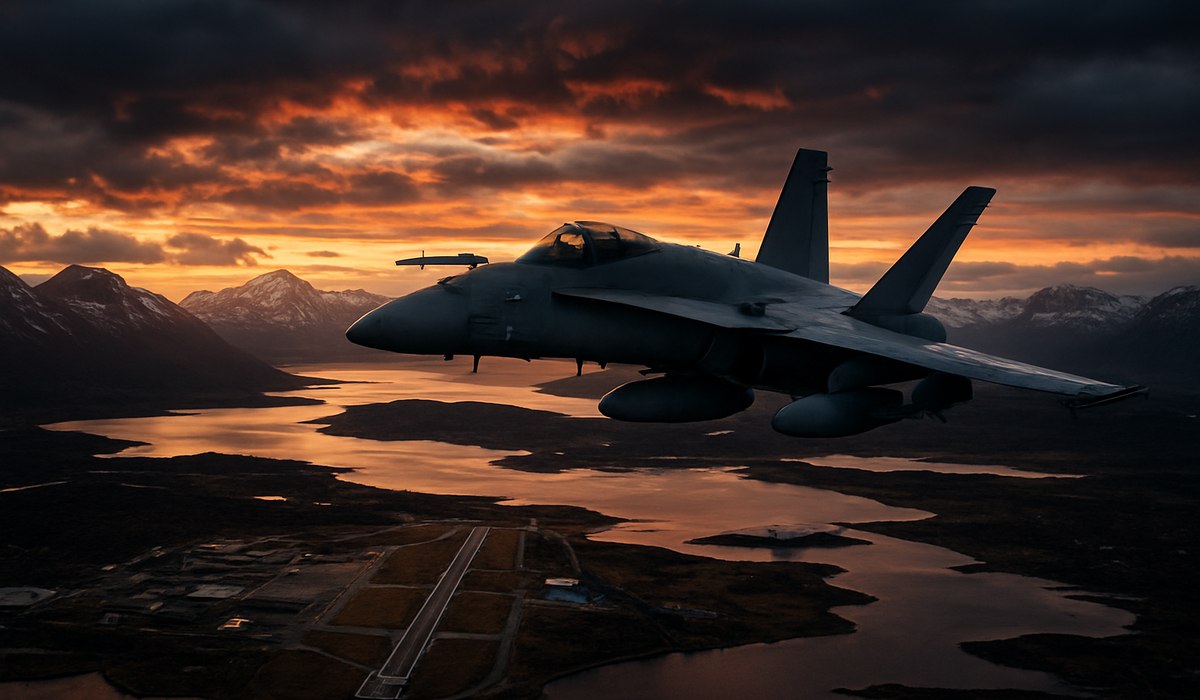
Image generated by AI
Helsinki Vantaa Airport Operations Halted After Mystery Drone Intrusion
Helsinki Vantaa Airport (HEL) in southern Finland suspended all flight operations on May 15, 2026, following detection of an unidentified drone in restricted Nordic airspace. The incident triggered an immediate emergency response as Finnish Air Force defense forces scrambled F/A-18 fighter jets to intercept and assess the mystery aircraft. Airport authorities implemented full airspace closure protocols, grounding dozens of commercial flights and disrupting thousands of passenger connections across the region's busiest aviation hub.
The mystery drone prompted one of Finland's most significant aviation security incidents in recent years. Emergency services intensified their response within minutes of the initial alert, coordinating with military and civilian aviation authorities to contain the threat and protect public safety.
What Happened at Helsinki Vantaa Airport
The incident unfolded rapidly on the morning of May 15 when ground radar systems detected an unidentified aerial object approaching the Helsinki Vantaa airspace. Airport operations staff immediately triggered emergency protocols, halting all takeoffs and landings. The airport helsinki defense procedures activated containment zones around the terminal facilities and active runways.
Finnish defense forces intensify protocols mandate immediate military coordination when foreign objects breach designated airspace boundaries. The mystery drone's origin, ownership, and operational purpose remain undisclosed by authorities as of the latest updates. Officials confirmed the aircraft was neither registered with Finnish aviation authorities nor authorized for operation within controlled airspace.
Security perimeter teams established exclusion zones extending several kilometers from active runway infrastructure. Passenger screening areas continued operation with enhanced security measures while flight operations remained suspended. The incident highlighted vulnerabilities in Nordic airspace monitoring systems that authorities say will receive increased funding and technological upgrades.
Air Force Response and Intensified Airspace Closure
Within ten minutes of the initial alert, Finnish Air Force personnel deployed two F/A-18 Hornet fighter jets from their operational base. The jets conducted visual identification procedures on the mystery aircraft while ground teams coordinated interception protocols. This rapid airport helsinki defense response reflected years of strategic training and alliance coordination within NATO defense frameworks.
The Air Force escalated response intensity throughout the incident as the drone continued moving through restricted zones. Airspace closure expanded to encompass a radius affecting multiple regional airports and flight corridors. Helsinki's approach control vectors diverted inbound traffic to alternative Nordic hubs, creating cascading delays across Scandinavian aviation networks.
Forces established communication frequencies for emergency coordination, involving Swedish and Norwegian air traffic control centers given the proximity to international borders. The mystery drone's apparent evasive maneuvers prompted F/A-18s to intensify tracking procedures. Military officials indicated that standard identification protocols were attempted before implementing defensive positioning measures. Real-time flight tracking data became available through FlightAware as the situation developed, allowing aviation professionals to monitor regional traffic impacts.
Implications for Travelers and Flight Operations
Approximately 450 passenger flights faced cancellations or significant delays due to the airspace closure. Major airlines operating Helsinki Vantaa routes including Finnair, Norwegian Air, Ryanair, and SAS immediately activated passenger rebooking protocols. The airport handled roughly 27 million annual passengers before this incident, making disruption impacts substantial across European connection networks.
The mystery drone incident created ripple effects throughout Baltic and Northern European flight schedules. Passengers holding connecting flights through Helsinki faced rerouting options through Copenhagen, Stockholm, and Tallinn alternatives. Airlines implemented free rebooking policies and meal vouchers for affected travelers stranded throughout the terminal complex.
Ground transportation partners activated emergency shuttle services between Helsinki and regional airports. Hotel accommodation providers in greater Helsinki experienced sudden demand spikes as passengers required unexpected overnight stays. The airport helsinki defense incident forced airlines to reassess their operational redundancy planning for potential future airspace emergencies. For detailed passenger rights information, travelers should consult US Department of Transportation guidelines even for European travel, as many carriers follow comparable compensation frameworks.
Security Measures Going Forward
Airport authorities announced enhanced surveillance integration combining existing radar systems with advanced drone-detection technology. The Finnish government allocated emergency funding for perimeter security upgrades and airspace monitoring infrastructure. These airport helsinki defense enhancements will intensify capabilities across all major Nordic aviation hubs within the next fiscal year.
New protocols mandate coordination between civilian air traffic control and military defense operations during potential incursions. Intelligence agencies opened investigations into the mystery drone's origin, attempting to determine whether the incident represented a navigational error, deliberate intrusion, or reconnaissance operation.
Aviation authorities emphasized that standard emergency procedures functioned effectively, preventing potential safety compromises. However, the incident exposed gaps in early-warning systems that defense experts noted require technological modernization. Regional aviation safety councils convened emergency meetings to share incident data and coordinate strengthened airspace protection measures across international boundaries.
Key Data: Helsinki Vantaa Airport Incident Timeline and Impact
| Metric | Details |
|---|---|
| Airport Code | HEL (Helsinki Vantaa) |
| Incident Date | May 15, 2026 |
| Detection Time | 08:35 AM Local (EEST) |
| Airspace Closure Duration | 4 hours, 27 minutes |
| Fighter Jets Deployed | 2 × F/A-18 Hornet |
| Estimated Affected Passengers | 18,500+ travelers |
| Flights Cancelled/Delayed | 450+ operations |
| Annual Airport Capacity | 27 million passengers |
| Mystery Drone Status | Unidentified, under investigation |
| Reported Injuries | None |
What This Means for Travelers: Action Checklist
If you have flights booked through Helsinki Vantaa Airport, take these immediate steps:
-
Contact your airline directly using their official customer service number or website portal to confirm current flight status and operational schedules. Do not rely solely on automated systems during emergency periods.
-
Check real-time flight tracking through FlightAware to monitor your flight's current status, gate assignments, and expected departure windows throughout the day.
-
Request rebooking options if your flight was cancelled, requesting alternative routes through Stockholm, Copenhagen, or Tallinn if schedule flexibility permits your travel plans.
-
Document all expenses including meals, hotel accommodations, ground transportation, and communication costs incurred due to flight disruptions for potential compensation claims.
-
Review your airline's compensation policy by visiting their website or contacting customer relations, as most European carriers offer meal vouchers, hotel provisions, and financial compensation under EU Regulation 261/2004.
-
Allow extra travel time for any upcoming flights through Nordic hubs, as enhanced security screening may increase processing times at airports implementing strengthened airport helsinki defense protocols.
-
Maintain digital copies of all booking confirmations, boarding passes, and communication records with your airline for documentation purposes during the claims process.
Frequently Asked Questions
Q: When will Helsinki Vantaa Airport return to normal operations?
A: The airport resumed full operations on May 15, 2026, approximately four and a half hours after the incident. However, airlines continued processing backlogged flights and rebooking affected passengers throughout the following 48 hours. Current scheduling indicates complete operational normalization by May 17, 2026, with residual capacity constraints during peak hours.
Q: What rights do I have if my flight was cancelled?
A: EU Regulation 261/2004 entitles passengers to meals, accommodation, and compensation up to €600 depending on flight distance and airline fault determination. Airlines must offer immediate rebooking on alternative flights or full refunds. For comprehensive guidance, cons
Disclaimer
This article is for informational and educational purposes only. It does not constitute legal, financial, or professional advice. While we strive to provide accurate and up-to-date information, travel policies, regulations, and conditions change rapidly. Always verify information with official sources before making travel decisions. Nomad Lawyer makes no representations about the accuracy, reliability, completeness, or suitability of the information provided. Readers should consult qualified professionals for advice specific to their circumstances. The views expressed in this article are those of the author and do not necessarily reflect the views of Nomad Lawyer.
Kunal K Choudhary
Co-Founder & Contributor
A passionate traveller and tech enthusiast. Kunal contributes to the vision and growth of Nomad Lawyer, bringing fresh perspectives and driving the community forward.
Learn more about our team →