
Airlines London Frankfurt Face Major Disruption: 39 Flights Cancelled, 234 Delayed
Airlines serving London Frankfurt routes experienced severe disruptions on March 19, 2026, with 39 flight cancellations and 234 delays across five major European hubs affecting hundreds of travelers.

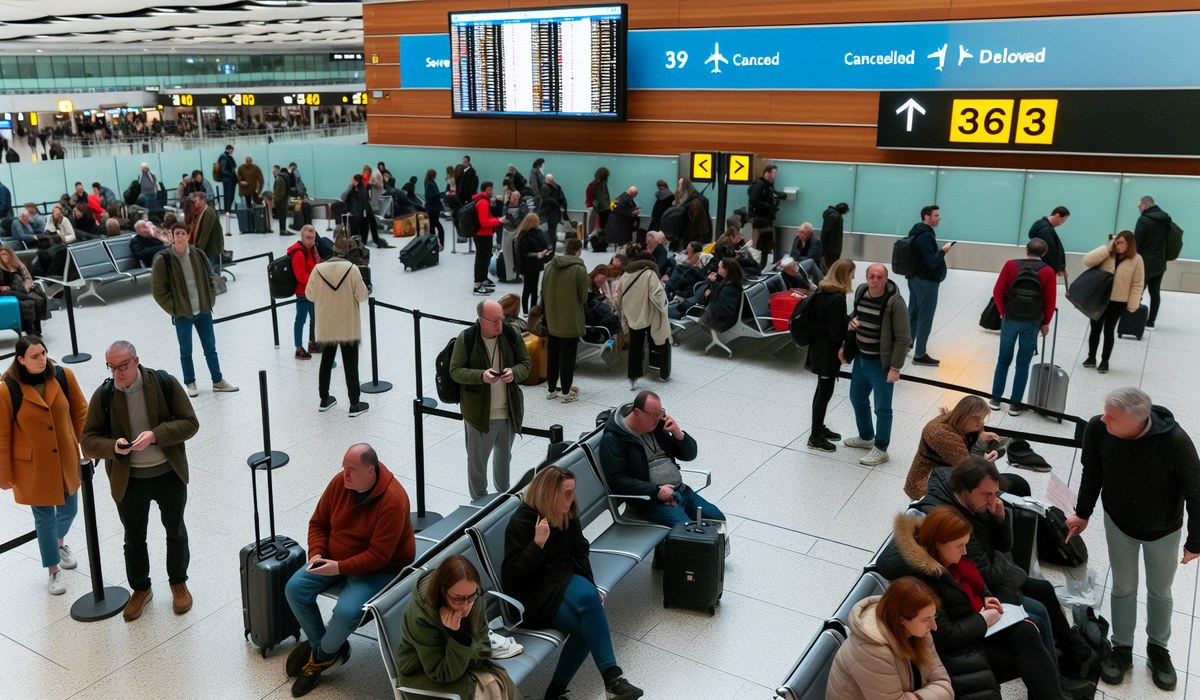
Image generated by AI
Quick Summary Block
Quick Summary
- Major Disruption: 39 flights cancelled and 234 delayed across London Heathrow (LHR), Charles de Gaulle/Roissy (CDG), Frankfurt International (FRA), Amsterdam Schiphol (AMS), and Reykjavik Keflavík (KEF) on March 19, 2026
- Impact: Hundreds of travelers stranded; cascading delays affecting European air traffic through the evening
- Traveler Action: Check real-time flight status on FlightAware and contact your airline directly for rebooking options
- What's Next: Recovery expected to extend into March 20; EU aviation authorities coordinating response measures
Flight Disruption Hits Airlines London Frankfurt Corridor
Airlines serving the London Frankfurt corridor experienced unprecedented disruption on March 19, 2026, affecting connectivity across five of Europe's busiest airports. Major carriers operating between London Heathrow (LHR) and Frankfurt International (FRA) reported system-wide cancellations and significant delays beginning mid-morning local time. The cascade of cancellations impacted onward connections, stranding hundreds of passengers with minimal rebooking availability across the network. Airlines and airport authorities cite operational and technical challenges as primary contributing factors. This disruption marks one of the most significant travel interruptions in the region during the first quarter of 2026.
Root Cause: Air Traffic Control and Operational Constraints
Air traffic control (ATC) limitations across Western European airspace contributed substantially to the flight delays and cancellations. Multiple factors combined to create a perfect storm for airlines operating between London, Frankfurt, Amsterdam, and Reykjavik. Staffing challenges at key control centers, coupled with weather-related restrictions in northern European corridors, created bottlenecks affecting departure windows. [The FAA and European aviation authorities](https://www.faa.gov) coordinate on transatlantic traffic management, but domestic European routing faced independent pressure. Ground handling delays at Charles de Gaulle/Roissy (CDG) exacerbated the situation, creating knock-on effects across the entire network. Airport congestion at Schiphol Amsterdam (AMS) further strained the system's capacity to absorb displaced flights.
Airlines Most Affected by the March 19 Disruptions
Major carriers operating from London Heathrow and Frankfurt International experienced the highest impact. Lufthansa, British Airways, Air France-KLM, and smaller regional operators all reported significant schedule disruptions. Some airlines operating transatlantic services were forced to delay or cancel intra-European feeder flights. KLM, with a major hub at Amsterdam Schiphol, faced particular challenges managing connections through the Dutch airport. Icelandair and Wizz Air, with significant traffic through Reykjavik Keflavík, also reported cascading delays affecting their networks. Each airline activated customer service protocols, though rebooking capacity remained severely constrained due to the scope of the disruption.
Specific Routes and Airport Impact Assessment
The disruption affected multiple high-traffic routes connecting Western Europe's premium business markets. London Heathrow to Frankfurt flights experienced the heaviest concentration of cancellations, as this corridor represents one of Europe's busiest international routes. Amsterdam Schiphol flights heading to London and Frankfurt airports faced significant delays, with some services consolidated onto later departures. Reykjavik Keflavík (KEF), serving as a hub for transatlantic connections, experienced secondary delays as inbound European flights arrived late from the affected corridor. Charles de Gaulle/Roissy airport in Paris saw its Frankfurt-bound traffic severely restricted due to spacing requirements on the London-Frankfurt-Paris triangle. Monitoring tools like FlightAware showed real-time delays exceeding two hours for multiple scheduled departures.
Real-Time Flight Status and Tracking Information
Travelers should consult live flight tracking resources for accurate, current status information on their specific flights. FlightAware provides real-time departure and arrival data for all affected airports, including expected gate times and equipment information. Individual airline websites display cancellation lists and rebooking availability, though many systems experienced high traffic volumes during the disruption peak. Airport websites for London Heathrow, Frankfurt International, Amsterdam Schiphol, Charles de Gaulle/Roissy, and Reykjavik Keflavík posted official advisories regarding the disruptions. Social media accounts for affected airlines provided periodic updates, though delays in communications frustrated many passengers. Ground handling partners at each airport issued separate operational updates affecting baggage services and connecting passenger services.
Passenger Rights Under EU Regulation 261/2004
Passengers affected by flights operating under EU jurisdiction retain strong legal protections regardless of disruption cause. EU Regulation 261/2004 mandates compensation for eligible delays and cancellations, though air traffic control actions may exempt airlines from financial liability in specific circumstances. Passengers delayed over three hours are entitled to care and assistance, including meals, refreshments, and accommodation when necessary. Airlines operating from EU airports must provide compensation ranging from €250 to €600 depending on flight distance. The U.S. Department of Transportation maintains separate passenger protection standards for transatlantic flights operating under bilateral air service agreements. Detailed guidance from the US DOT clarifies additional rights for American passengers on international flights. Affected travelers should document all expenses and maintain communication records with airlines for compensation claims.
Traveler Action Checklist
- Verify your flight status immediately by checking your airline's website or FlightAware rather than waiting for automated notifications
- Contact your airline's customer service directly via phone or airport customer service desk; email responses may take 24-48 hours during disruptions
- Document all expenses including meals, accommodations, ground transportation, and rebooking fees for potential compensation claims
- Request written confirmation of your cancellation, delay duration, and rebooking options before leaving the airport
- Explore alternative routings through secondary airports like London Stansted, Berlin Brandenburg, or secondary Frankfurt hubs if available
- File a compensation claim if your flight was delayed over three hours or cancelled, referencing EU Regulation 261/2004 guidelines
- Update travel insurance providers immediately with disruption details if you hold comprehensive coverage with disruption provisions
- Monitor airline communications throughout the evening and following day for updates on cascading delays and revised schedules
Impact Summary Table
| Metric | Details |
|---|---|
| Total Flights Cancelled | 39 departures across all five airports |
| Total Flights Delayed | 234 flights with delays exceeding 30 minutes |
| Passengers Affected | Hundreds stranded; exact count pending final reports |
| Primary Airports | London Heathrow (LHR), Frankfurt International (FRA), Amsterdam Schiphol (AMS) |
| Secondary Airports | Charles de Gaulle/Roissy (CDG), Reykjavik Keflavík (KEF) |
| Average Delay Duration | 2+ hours for affected departures |
| Disruption Start Time | Mid-morning March 19, 2026 local time |
| Recovery Timeline | Expected extension into March 20, 2026 |
| Primary Cause Category | Air traffic control constraints and operational factors |
| Compensation Eligibility | EU flights: 261/2004 protection; Transatlantic: DOT standards apply |
What This Means for Travelers
The March 19 disruption demonstrates the interconnected vulnerability of European aviation networks. A disruption at one major hub immediately cascades across multiple airports and airlines. Travelers booked on airlines London Frankfurt routes during peak seasons should anticipate potential delays and build buffer time into connections. The incident highlights why purchasing comprehensive travel insurance with disruption coverage provides meaningful protection against uncompensated losses.
Passengers should proactively monitor flight status beginning two hours before departure rather than relying on airline notifications. Early detection enables faster rebooking on alternative routes or carriers. For business travelers, building 90-minute connection buffers on intra-European flights provides reasonable protection against cascade delays. Airlines and airport operators will likely implement capacity management improvements in the weeks following this disruption.
Frequently Asked Questions
What caused the airlines London Frankfurt flight disruptions on March 19, 2026? Air traffic control staffing challenges at Western European control centers, coupled with weather-related routing restrictions, created capacity bottlenecks. Ground handling delays at major hubs like Charles de Gaulle/Roissy and Amsterdam Schiphol compounded the operational constraints, forcing carriers to cancel departures and consolidate flights onto later time slots.
Which airports were most severely impacted by the flight cancellations and delays? London Heathrow (LHR) and Frankfurt International (FRA) experienced the highest concentration of cancellations, as these airports anchor the London-Frankfurt corridor carrying premium European traffic. Amsterdam Schiphol (AMS) faced secondary pressure managing KLM connections, while Charles de Gaulle/Roissy (CDG) and Reykjavik Keflavík (KEF) experienced cascading delays.
Am I entitled to compensation if my airlines London Frankfurt flight was cancelled or significantly delayed? Passengers on EU-based flights qualify for compensation under Regulation 261/2004 if delayed over three hours or cancelled, unless the airline proves the disruption resulted from extraordinary circumstances beyond its control. Transatlantic passengers should reference U.S. Department of Transportation standards. Document all expenses and contact your airline's compensation department within 30 days.
How should I check the real-time status of my flight during this disruption? Consult FlightAware for independent real-time tracking, which often provides more current information than airline systems during high-impact disruptions. Also check your airline's official website and airport departure boards at your local terminal. Enable push notifications from your airline's mobile app for automatic updates.
Will the disruptions affect flights on March 20 and beyond? Airlines expect recovery to extend into March 20 as they process backlogged aircraft and crew, though primary disruptions are anticipated to resolve during the evening of March 19. Passengers with flights scheduled for March 20-21 should monitor status updates, as airlines may implement reduced schedules while recovering from the previous day's backlog.
Related Travel Guides
European Flight Delay Rights: Understanding EU 261/2004 Compensation
Amsterdam Schiphol Airport Travel Guide: Connections, Facilities, and Ground Transportation
Frankfurt International Airport: A Complete Traveler's Reference
Disclaimer
This article is for informational and educational purposes only. It does not constitute legal, financial, or professional advice. While we strive to provide accurate and up-to-date information, travel policies, regulations, and conditions change rapidly. Always verify information with official sources before making travel decisions. Nomad Lawyer makes no representations about the accuracy, reliability, completeness, or suitability of the information provided. Readers should consult qualified professionals for advice specific to their circumstances. The views expressed in this article are those of the author and do not necessarily reflect the views of Nomad Lawyer.
Kunal K Choudhary
Co-Founder & Contributor
A passionate traveller and tech enthusiast. Kunal contributes to the vision and growth of Nomad Lawyer, bringing fresh perspectives and driving the community forward.
Learn more about our team →