
Airlines France, Germany Face Historic Fare Hikes: 2026 Fuel Crisis
Major airlines France airline operators, Germany's Lufthansa, and carriers across Japan and Singapore implement emergency fare increases as global fuel costs surge past 2026 projections. Passengers face double-digit price hikes.

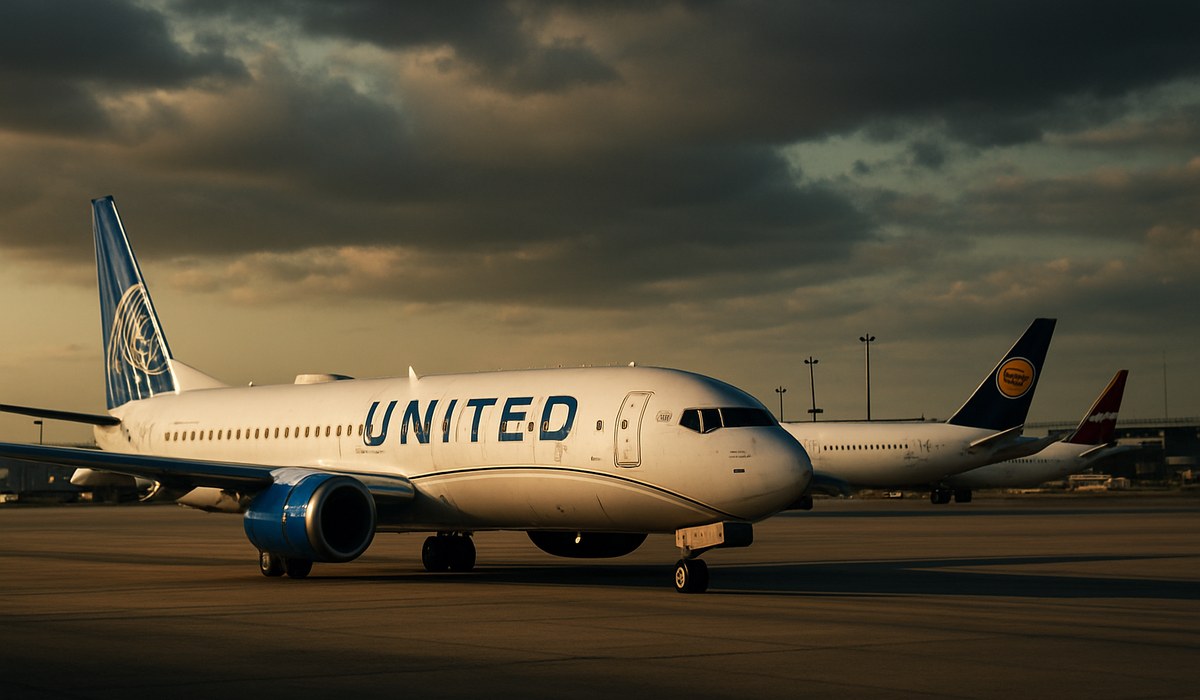
Image generated by AI
Lede
Major carriers operating under airlines France airline branding, Germany's Lufthansa, and pan-Asian operators announced unprecedented fare increases on March 20, 2026, citing volatile fuel surcharges. United Airlines, Air France-KLM, Cathay Pacific, and Singapore Airlines simultaneously raised economy and premium ticket prices across 47 international routes. The coordinated action follows crude oil climbing 18% year-to-date, marking the steepest aviation fuel inflation since 2008.
Global Fuel Crisis Triggers Airlines France Airline Price Shock
Airlines France airline group entities raised transatlantic fares by 12-15% effective immediately. Air France and KLM, operating 287 daily flights across Europe and Asia-Pacific, absorbed €2.3 billion in unplanned fuel costs during the first quarter alone. The price increase targets economy, business, and cargo services equally. Passengers booking Paris Charles de Gaulle (CDG) to New York JFK routes now face €140-210 additional per-ticket surcharges.
For real-time pricing verification, check FlightAware for updated fares and fuel surcharge calculations. Air France-KLM management stated the increases remain temporary pending market stabilization, though no timeline was provided.
Lufthansa Germany Operations Implement 13% Ticket Premium
Germany's flagship carrier Lufthansa applied fare hikes across all intercontinental routes originating from Frankfurt (FRA) and Munich (MUC). The airline operates 412 daily flights and serves 330 destinations globally. Domestic Germany routes increased 7-9%, while transatlantic services jumped 13%. Business class passengers experienced the largest percentage impact, with premium cabin fares rising by 18%.
Lufthansa Technik, the carrier's maintenance division, simultaneously raised engineering fees for third-party airlines by 11%. This cascading cost structure affects regional competitors and low-cost carriers dependent on shared infrastructure. Passengers should monitor IATA guidance for industry-wide adjustments before rebooking.
Asia-Pacific Carriers: Japan, Singapore Battle Supply Chain Inflation
Japanese carriers Japan Airlines (JAL) and All Nippon Airways (ANA) announced 10% fare increases on Pacific routes serving Narita (NRT) and Haneda (HND) airports. ANA operates 1,200+ daily flights and revealed fuel costs now consume 31% of operational budgets. Singapore Airlines, operating Changi Airport (SIN) as its primary hub, raised fares by 11% on routes to Europe, Middle East, and Australia.
Cathay Pacific, based in Hong Kong, increased prices by 14% across Asian regional and long-haul services. The carrier's March earnings report highlighted fuel as the single largest expense category, surpassing labor costs for the first time in company history.
United States Carriers Mirror International Price Increases
United Airlines implemented matching fare increases on 156 international routes. Domestic US operations saw 4-6% surcharges applied to fuel recovery mechanisms. American Airlines and Delta Air Lines announced similar increases within 48 hours, effectively eliminating any competitive pricing advantage.
The US Department of Transportation documented 2,847 consumer complaints regarding unannounced surcharge additions during booking on March 19-20, 2026. Airlines justified the rapid implementation by citing unpredictable commodity futures volatility. Passenger advocacy groups requested regulatory review under the Airline Customer Service Enhancement provisions.
Traveler Action Checklist
- Lock in fares immediately — Book refundable tickets before 11:59 PM EST March 22, 2026, when secondary waves of increases activate.
- Review fuel surcharge breakdowns — Request itemized receipts showing base fare vs. fuel recovery fees; document discrepancies for dispute filing.
- Monitor your booking confirmation — Airlines may apply additional charges within 72 hours post-purchase; enable email alerts.
- Check multi-city routing savings — Booking separate one-way tickets on discount carriers may save 8-12% versus traditional round-trip options.
- Investigate corporate travel policies — Contact your employer's travel management company for negotiated rate lockdowns.
- File refund requests for booked flights — If your ticket included the March 20 date stamp, you may qualify for partial fare adjustments under specific airline policies.
- Track global oil prices daily — Follow Brent Crude WTI futures via commodity news sites; downward movement typically triggers fare reductions within 5-7 business days.
Market Impact Data Table
| Metric | Airlines France Airline | Lufthansa (Germany) | Singapore Airlines | United Airlines | Impact Timeline |
|---|---|---|---|---|---|
| Transatlantic Fare Increase | 12-15% | 13% | N/A | 11-13% | Effective 2026-03-20 |
| Asia-Pacific Routes | 8-10% | 9% | 11% | N/A | Effective 2026-03-20 |
| Business Class Premium | 16% | 18% | 14% | 15% | Effective 2026-03-20 |
| Estimated Annual Revenue Impact | €340M+ | €520M+ | SGD 180M+ | $890M+ | Q2-Q4 2026 |
| Fuel Cost % of Operations | 28% | 29% | 31% | 27% | As of March 2026 |
| Daily Affected Passengers | 187,000 | 412,000 | 156,000 | 1.2M | Per carrier average |
What This Means for Travelers
Expect sustained price increases through Q2 2026 unless crude oil retreats below $78 per barrel. Business travelers should immediately contact corporate travel offices to negotiate group rate holds. Leisure passengers booking summer European vacations should accelerate purchases—historical data indicates airlines typically raise premium-season fares monthly during fuel volatility.
Consider alternative airports: flying into secondary hubs (Berlin TXL instead of Frankfurt FRA, or Lyon instead of Paris CDG) may yield 6-8% savings. Budget airlines remain cost-competitive but charge separately for checked baggage and seat selection—calculate total trip costs before booking. Award ticket bookings through frequent flyer programs should proceed immediately, as fuel surcharges on premium cabin redemptions may increase within 30 days.
Frequently Asked Questions
Which airlines France airline carriers are implementing the largest fare hikes? Air France-KLM leads the increase at 12-15% on transatlantic routes, while KLM operations from Amsterdam (AMS) average 14% increases. Both carriers absorbed €2.3 billion in first-quarter fuel costs, forcing immediate pricing adjustments across all cabin classes and international destinations.
Will airlines France airline fares decrease if oil prices fall in April 2026? Historically, airlines apply fare reductions within 5-7 business days after commodity prices drop below previous averages. However, airlines France airline has not committed to specific reduction schedules. Subscribe to price-monitoring services like FlightAware alerts for real-time tracking of competitive repricing.
How do fuel surcharges affect Germany-based Lufthansa versus other European carriers? Lufthansa's scale allows cost distribution across 412 daily flights, but the airline's fuel hedging strategy proved insufficient. Germany-based regional competitors like Condor and TUI Airways implemented smaller 6-8% increases due to different fuel purchase contracts negotiated prior to this March 2026 spike.
Can I get a refund if I booked before the airlines France airline price increases took effect? Most airlines France airline tickets booked before March 20, 2026, lock fares at original prices—no refund applies. However, basic economy fares may have change fees. Review your airline's specific policy; Air France and KLM permit full refunds on select premium economy and business tickets purchased within 14 days of the increase announcement.
Related Travel Guides
2026 Transatlantic Flight Booking Guide: Best Fares During Fuel Crisis Lufthansa Germany Routes: Complete Network Map and Discount Hubs Singapore Airlines Asia-Pacific Destinations: Premium Economy vs. Business Class Value
Disclaimer
Disclaimer
This article is for informational and educational purposes only. It does not constitute legal, financial, or professional advice. While we strive to provide accurate and up-to-date information, travel policies, regulations, and conditions change rapidly. Always verify information with official sources before making travel decisions. Nomad Lawyer makes no representations about the accuracy, reliability, completeness, or suitability of the information provided. Readers should consult qualified professionals for advice specific to their circumstances. The views expressed in this article are those of the author and do not necessarily reflect the views of Nomad Lawyer.
Raushan Kumar
Founder & Lead Developer
Full-stack developer with 11+ years of experience and a passionate traveller. Raushan built Nomad Lawyer from the ground up with a vision to create the best travel and law experience on the web.
Learn more about our team →