
Global Airlines Turn Onboard Dining into Tourism Branding Strategy
Airlines from Australia, Hong Kong, France, the UAE, Singapore, and the UK transform onboard dining into a powerful tool for destination branding.
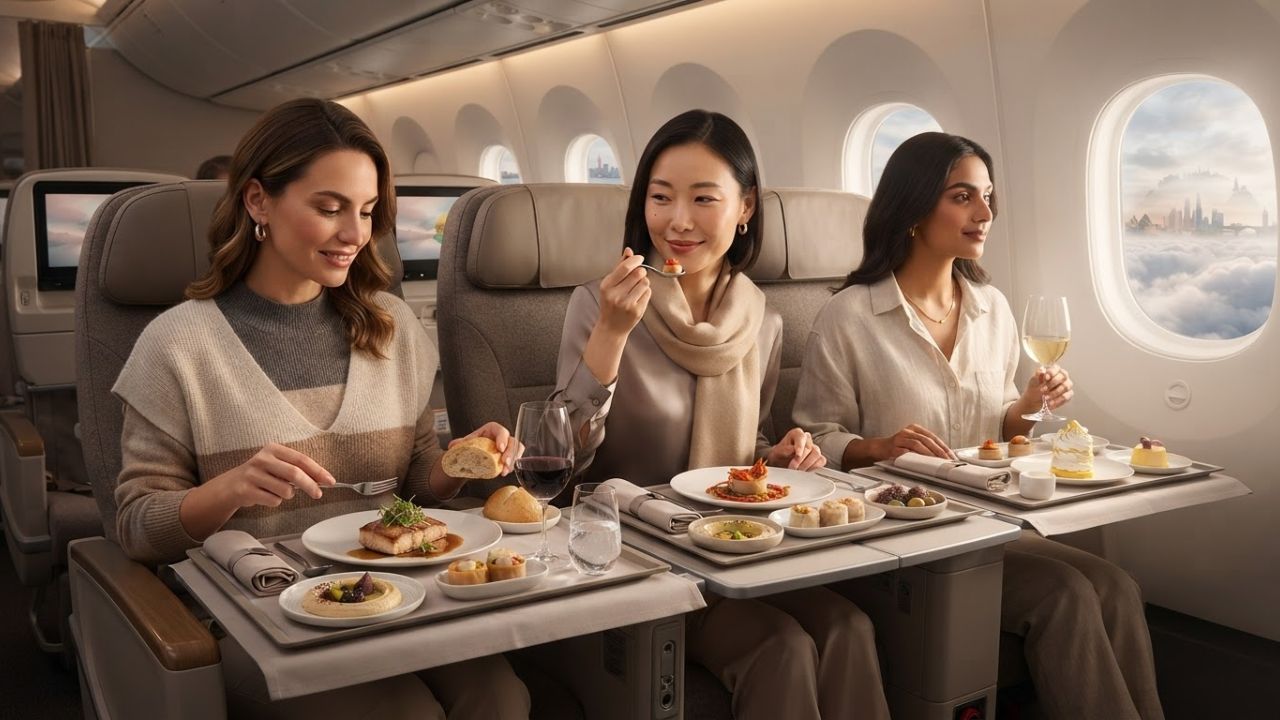
Image generated by AI
Leveraging culinary heritage and premium service standards to build passenger loyalty, leading international airlines are transforming onboard dining into a powerful global tourism branding strategy.
Carriers from Australia, Hong Kong, France, the United Arab Emirates, Singapore, and the United Kingdom are redesigning their premium economy cabin menus to reflect national identities, local ingredients, and regional service values. By introducing Michelin-starred partnerships, pre-departure meal selection systems, and branded tableware, these airlines aim to introduce passengers to their destination's culture before the aircraft lands. For tourism economies, this early introduction serves as an ambassadorial platform that encourages visitors to explore regional dining, cultural heritage sites, and luxury hospitality offerings.
The Local Trend Revealed: Onboard Hospitality as Destination Marketing
The evolution of onboard dining highlights a growing travel trend where aviation is utilized as an active marketing platform for national tourism. Rather than viewing the flight simply as transit, destinations use their national carriers to create a sensory introduction to the country's lifestyle and cultural values. By presenting regional dishes and local wines, airlines foster an emotional connection that influences passenger spending patterns upon arrival.
The strategic integration of culinary branding is supported by aviation guidelines from the International Air Transport Association (IATA), which tracks passenger demand for premium cabin upgrades and service consistency. For countries like France and Singapore, premium economy dining acts as a gateway to broader tourism sectors, including wine tourism and culinary festivals. By elevating the dining experience in secondary cabin categories, airlines can capture high-value leisure travelers who seek premium comforts without booking first-class or business-class tickets.
Carrier Dining Profiles and Gastronomic Parameters
The culinary programs deployed by these global carriers reflect different service philosophies, ranging from tailored meal pre-orders to traditional fine dining. These programs rely on collaborations with agricultural cooperatives and wine estates to source authentic ingredients.
The following table details the onboard dining strategies, menu focus areas, and service parameters of the leading international carriers:
| Airline | Origin Country | Primary Onboard Culinary Focus | Service and Tableware Parameters | Key Regional Ambassadorial Role |
|---|---|---|---|---|
| Qantas | Australia | Australian ingredients, regional wine pairings | Qantas flexible dining options on long-haul routes | Promoting Australian wine regions and regional foods |
| Cathay Pacific | Hong Kong | Cantonese specialties, international fusion | Cathay Pacific warm pastries, regional hospitality | Showcasing Hong Kong's role as an East-West culinary hub |
| Air France | France | French gastronomy, Michelin-starred partnerships | Frédéric Simonin dishes, Champagne service, refined tableware | Representing French culinary heritage and luxury lifestyle |
| Emirates | United Arab Emirates | High-end hospitality, global cuisines | Royal Doulton china, stainless steel cutlery, proper glassware | Reflecting Dubai's focus on luxury tourism and commerce |
| Singapore Airlines | Singapore | Singapore Airlines "Book the Cook" pre-selection | Personalized menu pre-orders, premium tableware, Champagne | Strengthening Singapore's position as a premium transit hub |
| Virgin Atlantic | United Kingdom | British and Italian fusions, classic afternoon tea | Royal Doulton china, premium beverage programs | Representing contemporary British hospitality standards |
This diverse culinary focus ensures that travelers receive a distinct introduction to the destination's service and agricultural traditions, creating a memorable transition from transit to tourism.
Onboard Product and Cabin Amenities
To support these elevated dining concepts, airlines are investing in physical cabin upgrades and digitized booking platforms. Singapore Airlines enables passengers to select their meals weeks before departure, reducing food waste and ensuring service personalization. Meanwhile, carriers like Emirates and Virgin Atlantic utilize designer tableware collections from Royal Doulton, introducing restaurant-style presentations to the aircraft cabin.
Additionally, French and Japanese carriers are leveraging seasonal menus to reflect the changing agricultural calendar of their homelands. These seasonal variations encourage repeat travelers to experience different regional specialties, aligning onboard service with national culinary tourism promotions. By coordinating menu cycles with regional harvest seasons, airlines support local farming cooperatives and highlight sustainable food production.
Sustainable Sourcing and Direct Agricultural Integration
For the visitor, the real impact is the opportunity to support regional farming communities and sustainable agricultural initiatives through flight selections. When Qantas features wines from small Hunter Valley vineyards or Air France sources cheese from regional French dairies, the corporate purchasing power of the airline directly benefits small-scale rural producers.
Direct support of these local supply chains helps maintain traditional farming practices and funds rural economic development. Travelers are increasingly prioritizing carriers that demonstrate transparent, local sourcing policies and minimize single-use plastics in their cabin service. By choosing airlines that partner with regional cooperatives, passengers contribute to a more sustainable travel ecosystem that values heritage preservation and environmental stewardship.
Booking and In-Flight Dining Tips for Long-Haul Passengers
Travelers looking to maximize their premium dining experience on long-haul flights can use these practical recommendations:
- Utilizing Pre-Order Systems: For airlines like Singapore Airlines, finalize your "Book the Cook" selection at least 24 hours before departure to access exclusive dishes not available on the standard cabin menu.
- Reviewing Wine Pairings: Take advantage of Qantas' regional wine selections by asking cabin crew for specific pairings that complement the main course, highlighting regional Australian grape varieties.
- Hydration and Dining Timing: On ultra-long-haul routes, align your dining schedule with the destination time zone to help reduce jet lag, opting for lighter meals during night sectors.
- Under-the-Radar Spot: Visit local food markets in Hong Kong, such as the Temple Street Night Market, to experience the street-level Cantonese dishes that serve as the inspiration for Cathay Pacific's onboard menus.
Key Takeaways
- Branding Tool: Global carriers are using onboard dining as a powerful tourism branding tool, introducing travelers to national cultures before arrival.
- Elevated Service: Upgrades include Michelin-starred chef partnerships, pre-departure meal selections, and premium china tableware.
- Regional Sourcing: Airlines support regional agricultural economies by sourcing wines, cheeses, and ingredients from local farming cooperatives.
- Cabin Competition: The competition between global tourist destinations is increasingly starting inside premium economy cabins.
FAQ
What is the "Book the Cook" program?
The program allows premium economy and business-class passengers on Singapore Airlines to select their main course from an expanded menu before their flight.
Do premium economy menus include complimentary alcoholic beverages?
Yes, most leading international carriers offer complimentary premium wine selections, spirits, and Champagne service in their premium economy cabins.
How does local sourcing benefit tourism economies?
By sourcing onboard ingredients from local suppliers, airlines directly distribute economic benefits to regional agricultural communities, supporting sustainable farming.
Related Travel Guides
Disclaimer
This article is for informational and educational purposes only. It does not constitute legal, financial, or professional advice. While we strive to provide accurate and up-to-date information, travel policies, regulations, and conditions change rapidly. Always verify information with official sources before making travel decisions. Nomad Lawyer makes no representations about the accuracy, reliability, completeness, or suitability of the information provided. Readers should consult qualified professionals for advice specific to their circumstances. The views expressed in this article are those of the author and do not necessarily reflect the views of Nomad Lawyer.