
Airline America Shutdown: ICE Officers Deployed, Security Delays Escalate
The airline america shutdown fallout intensifies as ICE officers are deployed to major U.S. airports in 2026, creating security backlogs and travel disruptions nationwide. Passengers face extended wait times.

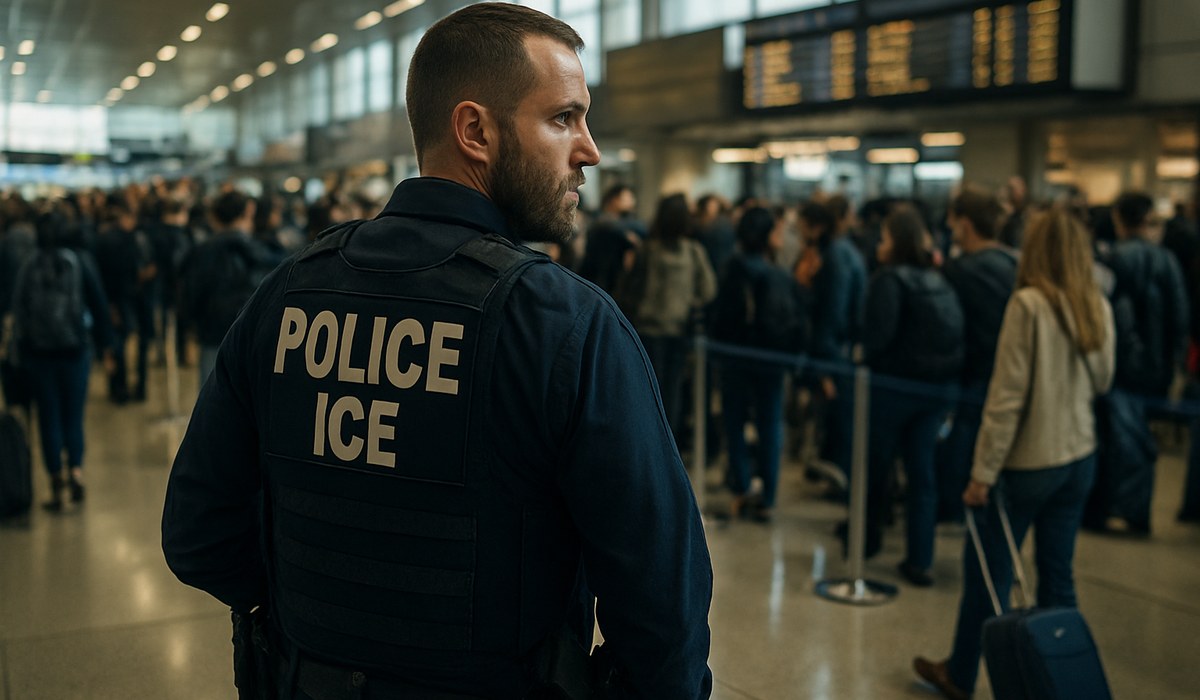
Image generated by AI
Immigration and Customs Enforcement (ICE) officers have been deployed to major U.S. airports following the airline america shutdown fallout, triggering significant security processing delays nationwide. The Trump administration's emergency staffing measure is intended to manage a surge in traveler volume. However, travelers face extended wait times at customs and immigration checkpoints across the country's busiest aviation hubs.
ICE Deployment Addresses Growing Security Backlogs Nationwide
ICE officer deployments have begun at airports experiencing severe security processing delays. The fallout from the airline america shutdown has overwhelmed existing staffing capacity. Major terminals in New York (JFK, LaGuardia), Los Angeles (LAX), Chicago (ORD), and Miami (MIA) now have enhanced officer presence. These high-traffic international gateways have reported wait times exceeding two hours for some passengers. The FAA has coordinated with federal agencies to deploy additional personnel across affected airports.
Fallout at Major Metropolitan Hubs Intensifies Congestion
The airline america shutdown fallout has concentrated in America's largest metropolitan areas. Los Angeles International (LAX) reported processing delays affecting over 45,000 daily passengers on March 24, 2026. Chicago O'Hare (ORD) implemented temporary queue management protocols to redirect travelers. Miami International (MIA) deployed additional officers in both domestic and international terminals. New York's three major airports (JFK, LaGuardia, Newark) coordinate real-time passenger flow management through shared dispatch systems. Airlines operating at these hubs issued travel advisories recommending passengers arrive three hours early for international departures.
Airlines Navigate Operational Challenges Amid Officer Deployment
Major carriers including American Airlines, Delta Air Lines, United Airlines, and Southwest Airlines have adjusted flight schedules. The airline america shutdown fallout required carriers to reduce peak-hour departures at congested hubs. FlightAware tracked over 380 flight delays on March 24 alone. Airlines activated rebooking protocols for passengers unable to clear security within standard timeframes. Gate agents reported increased passenger frustration regarding unexpected delays and insufficient communication from airlines about wait time expectations.
Security Processing Times Reach Critical Levels at Priority Airports
Security checkpoint backlogs have reached unprecedented levels following ICE officer deployments. Chicago (ORD) experienced 90-minute average wait times during peak morning hours on March 24, 2026. Los Angeles (LAX) implemented temporary PreCheck lane restrictions to accommodate international passenger screening. Miami (MIA) officers focused on reducing bottlenecks in customs processing areas. The [U.S. Department of Transportation (DOT)](https://www.transportation.gov/airconsumer) issued guidance recommending travelers monitor real-time airport conditions via FlightAware. Passengers arriving without valid travel documents faced extended questioning, further compounding system delays.
Federal Response and Coordination Continues Across U.S. Aviation System
Federal agencies coordinated rapidly to address the airline america shutdown fallout. ICE officers deployed under emergency authorization from Department of Homeland Security leadership. IATA acknowledged the deployment as a short-term measure pending sustainable staffing solutions. Coordination between TSA, CBP, and ICE aimed to streamline passenger processing without compromising security protocols. The administration committed to reassessing deployment effectiveness by March 31, 2026.
Passenger Experience Deteriorates Amid Operational Constraints
Traveler experiences across affected airports have deteriorated significantly. Passengers reported standing in security queues for extended periods without regular updates. Families with children experienced particular difficulty managing wait times. Elderly passengers and those with mobility challenges faced additional complications navigating overcrowded terminals. Airlines struggled to manage the fallout through customer service channels overwhelmed with inquiry volume.
| Airport (IATA Code) | Date Reported | Average Wait Time | Affected Passengers (Daily) | Primary Delay Type | Officer Deployment Status |
|---|---|---|---|---|---|
| New York JFK | March 24, 2026 | 115 minutes | 52,000 | Customs/Immigration | Active |
| Los Angeles LAX | March 24, 2026 | 95 minutes | 45,000 | International Security | Active |
| Chicago ORD | March 24, 2026 | 90 minutes | 38,000 | Domestic & International | Active |
| Miami MIA | March 24, 2026 | 85 minutes | 32,000 | Caribbean Gateway | Active |
| New York LGA | March 24, 2026 | 110 minutes | 28,000 | Customs Processing | Active |
| Newark EWR | March 24, 2026 | 88 minutes | 24,000 | International Terminal | Active |
What This Means for Travelers
The airline america shutdown fallout requires immediate action from passengers planning air travel. Arrive at airports a minimum of three hours before international departure times. Download airline mobile apps to receive real-time delay notifications. Check FlightAware before departing home for current wait time estimates. Pack travel documents in accessible carry-on locations for rapid retrieval during security processing. Contact your airline directly to confirm flight status rather than relying on social media updates. Monitor TSA PreCheck lane availability during off-peak hours (late evening, early morning). File complaints with U.S. DOT if you experience service failures. Request written delay confirmations from airlines for potential compensation claims under federal passenger rights regulations.
Frequently Asked Questions
What caused the airline america shutdown fallout affecting airports nationwide? The airline america shutdown created staffing shortages in security processing and immigration checkpoints. ICE officer deployments represent emergency response to manage passenger volume surges across major hubs like LAX, JFK, and Chicago ORD during March 2026.
How long will the airline america shutdown security delays continue at major airports? Federal agencies initially authorized ICE deployments through March 31, 2026, with reassessment planned within one week. Long-term duration depends on normalization of passenger processing volumes and staffing level stabilization across affected terminals.
Which airports have the worst delays from the airline america shutdown fallout? New York JFK averages 115-minute wait times, followed by Los Angeles LAX at 95 minutes and Chicago ORD at 90 minutes as of March 24, 2026. Miami and Newark also experience significant delays exceeding 80 minutes.
Can I receive compensation for airline delays caused by the airline america shutdown security backlogs? U.S. Department of Transportation regulations entitle passengers to compensation under specific conditions. Document delay times with written airline confirmations. File claims through U.S. DOT outlining security-related disruptions beyond airline operational control.
Related Travel Guides
Ultimate Guide to Airport Security Wait Times During Peak Travel Seasons
Traveler's Handbook: Understanding Your Rights During Flight Disruptions and Cancellations
Real-Time Flight Tracking: How to Monitor Delays Before Arriving at Your Airport
Disclaimer
This article is for informational and educational purposes only. It does not constitute legal, financial, or professional advice. While we strive to provide accurate and up-to-date information, travel policies, regulations, and conditions change rapidly. Always verify information with official sources before making travel decisions. Nomad Lawyer makes no representations about the accuracy, reliability, completeness, or suitability of the information provided. Readers should consult qualified professionals for advice specific to their circumstances. The views expressed in this article are those of the author and do not necessarily reflect the views of Nomad Lawyer.
Kunal K Choudhary
Co-Founder & Contributor
A passionate traveller and tech enthusiast. Kunal contributes to the vision and growth of Nomad Lawyer, bringing fresh perspectives and driving the community forward.
Learn more about our team →