
Why Global Airfares Stay Sky-High in 2026: AI Safety, Luxury Cabins, and the End of Cheap Flights
Despite stabilizing energy costs, international airfares remain elevated due to supply chain bottlenecks, labor inflation, and aggressive premium cabin expansions across global carriers.

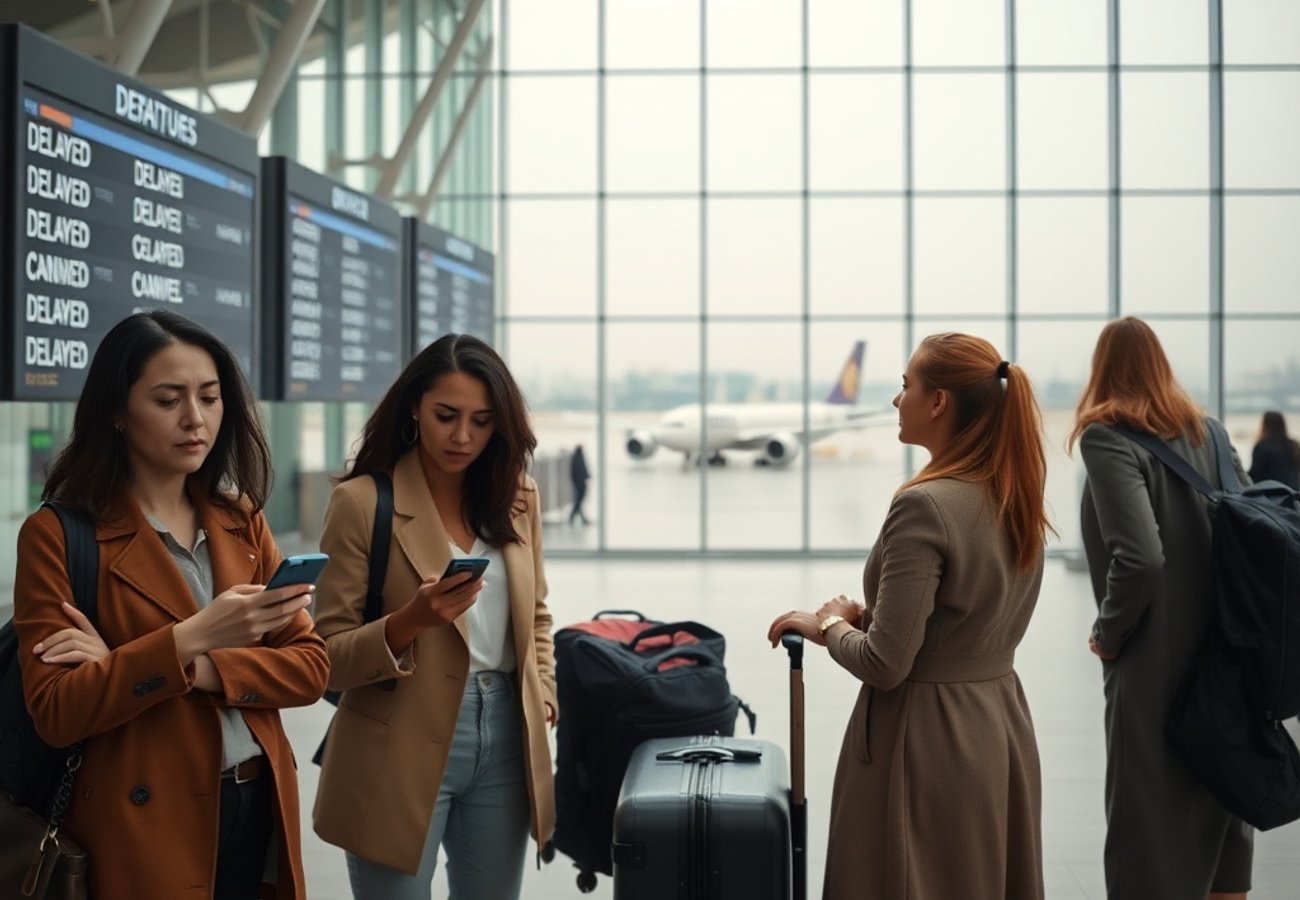
Image generated by AI
The Persistent Price Puzzle: Why Your Flights Cost More Than Ever
I've watched the global aviation sector grapple with a puzzling paradox this year. Energy markets have stabilized. Crude oil benchmarks have steadied. Yet international airfares remain stubbornly elevated across every major carrier network.
AirGuide's latest sector analysis reveals the real culprit: it's not fuel. According to FlightRoutes commercial transport metrics, global passenger volumes are projected to reach a record-breaking 5.2 billion travelers in 2026. Airlines are deliberately maintaining elevated baseline fares to recover from staggering operational deficits accumulated over recent years.
Reddit: "I booked my summer trip three months ago and the price jumped $400 per seat overnight. No explanation from the airline." — r/travel
The mathematics are brutal. Aircraft delivery delays from major manufacturers have created severe capacity constraints. Older fleet planes now operate at vastly inflated maintenance costs. Most damaging? Historic labor union wage adjustments have permanently restructured airline payroll expenses.
Supply Chain Strangleholds and the Capacity Crisis
The aviation infrastructure is genuinely broken in ways most passengers never see.
Manufacturers promised delivery timelines that slipped by years. Airlines hedged their bets across narrowbody and widebody orders, expecting 2024 deliveries. Instead, planes arrived in 2025 and 2026—too late to capitalize on post-pandemic recovery pricing. This cascade of delays forced carriers to squeeze every possible revenue dollar from aging aircraft.
Network planners responded with aggressive capacity discipline. Premium long-haul corridors now operate with reduced seat counts. Business class configurations expanded significantly. Economy sections shrank proportionally.
Travelers booking summer getaways absorbed the direct costs. Ticket prices for premium seats and exclusive leisure routes showed the most dramatic increases. Aviation analysts don't expect meaningful price declines within the next 18-24 months.
AI Revolution: How Airlines Are Redesigning Safety (And Your Airport Experience)
Aviation authorities are deploying transformative technology across the entire operational ecosystem.
The Federal Aviation Administration has commenced widespread deployment of advanced artificial intelligence layers designed to eliminate runway near-misses. Air traffic controllers now map terminal movements with absolute precision using predictive algorithms. The software dynamically flags potential trajectory conflicts on the ground before they escalate into dangerous emergencies.
This represents a genuine paradigm shift in how airports manage congestion. Controllers receive real-time conflict warnings. Aircraft receive precise vectoring instructions. Terminal flow improves measurably.
Beyond runways, the Transportation Security Administration unveiled an ambitious initiative called TSA Gold+. This program permits major hubs to transition toward privatized screening operations under federal oversight. Automated data systems will eliminate terminal bottlenecks that historically plague peak travel periods. Check TSA's official security updates for your nearest participating airport.
The Luxury Cabin Arms Race: Sky-Suites and Designer Lounges
Airlines have discovered something profound: wealthy passengers will pay dramatically for exclusive experiences.
Major domestic carriers are rapidly scaling their most exclusive premium layouts across popular routes. Luxury lie-flat configurations are deploying in unprecedented numbers out of coastal holiday hubs. Carriers are adding private suites equipped with sliding doors—genuine enclosed cabins, not just enhanced seats.
Standard economy configurations are being systematically reduced to create physical space for these lucrative installations. The calculation is straightforward: one premium suite generates more revenue than four economy rows.
On the ground, premium travelers access incredibly opulent airport lounges featuring designer fireplaces and locally sourced cocktail programs. These spaces function as isolated urban sanctuaries for transiting executives. Airlines recognize that affluent holidaymakers are entirely willing to pay premium rates for unique, elite experiences.
Travel agents monitoring inventory shifts via Travel Weekly report significant seasonal booking pattern changes across premium leisure markets. Luxury demand remains remarkably resilient despite elevated pricing.
Ultra-Fast Connectivity: The New Airline Loyalty Battleground
In-flight entertainment expectations have officially shifted past traditional boundaries.
Modern travelers no longer view basic wireless connectivity as a luxury perk. Recent market analytics prove that airline passengers now view free, ultra-fast satellite internet as a baseline necessity. Global carriers are signing massive agreements to install low-Earth orbit satellite networks directly onto active aircraft fleets.
Hundreds of narrowbody and widebody planes are being rapidly retrofitted with next-generation antennas. Passengers can seamlessly stream high-definition media and participate in live corporate video conferences while cruising at 35,000 feet.
This rapid connectivity deployment has created an intense competitive divide between tech-forward operators and traditional legacy brands. Carriers failing to provide seamless connectivity risk losing their most lucrative frequent flyers to agile competitors. Check The Rakyat Post's analysis on how digital networks influence consumer spending patterns across global carriers.
The Trillion-Dollar Reality: When Will Prices Actually Drop?
Industry analysts project that global aviation revenues will comfortably surpass one trillion dollars later this year. Yet underlying expenses—labor, maintenance, fuel surcharges, infrastructure investment—continue rising faster than ticket revenues.
The era of ultra-cheap promotional long-haul flights has ended. That's not hyperbole. That's mathematical reality.
Travelers must adopt dramatically smarter booking tactics. Experts strongly recommend reserving international seats at least six months in advance. Remaining flexible with destination choices and utilizing secondary regional airports remain the most effective mitigation strategies.
International jetsetters planning luxury coastal retreats should consult Condé Nast Traveller's official travel updates for entry requirements and curated resort guides.
The fundamental truth: staying thoroughly educated on macro aviation trends is what guarantees successful—and reasonably priced—journeys.
The age of affordable air travel required a perfect storm of cheap fuel, excess capacity, and fierce competition. We're living in a different era now.
Related Travel Guides
Disclaimer
This article is for informational and educational purposes only. It does not constitute legal, financial, or professional advice. While we strive to provide accurate and up-to-date information, travel policies, regulations, and conditions change rapidly. Always verify information with official sources before making travel decisions. Nomad Lawyer makes no representations about the accuracy, reliability, completeness, or suitability of the information provided. Readers should consult qualified professionals for advice specific to their circumstances. The views expressed in this article are those of the author and do not necessarily reflect the views of Nomad Lawyer.
Raushan Kumar
Founder & Lead Developer
Full-stack developer with 11+ years of experience and a passionate traveller. Raushan built Nomad Lawyer from the ground up with a vision to create the best travel and law experience on the web.
Learn more about our team →