
Aircraft Giving Canada New Runway for Melbourne Expansion
Air Canada's incoming A350-1000 fleet could unlock direct Vancouver-Melbourne flights by 2030, transforming ultra-long-range travel between Canada and Australia.

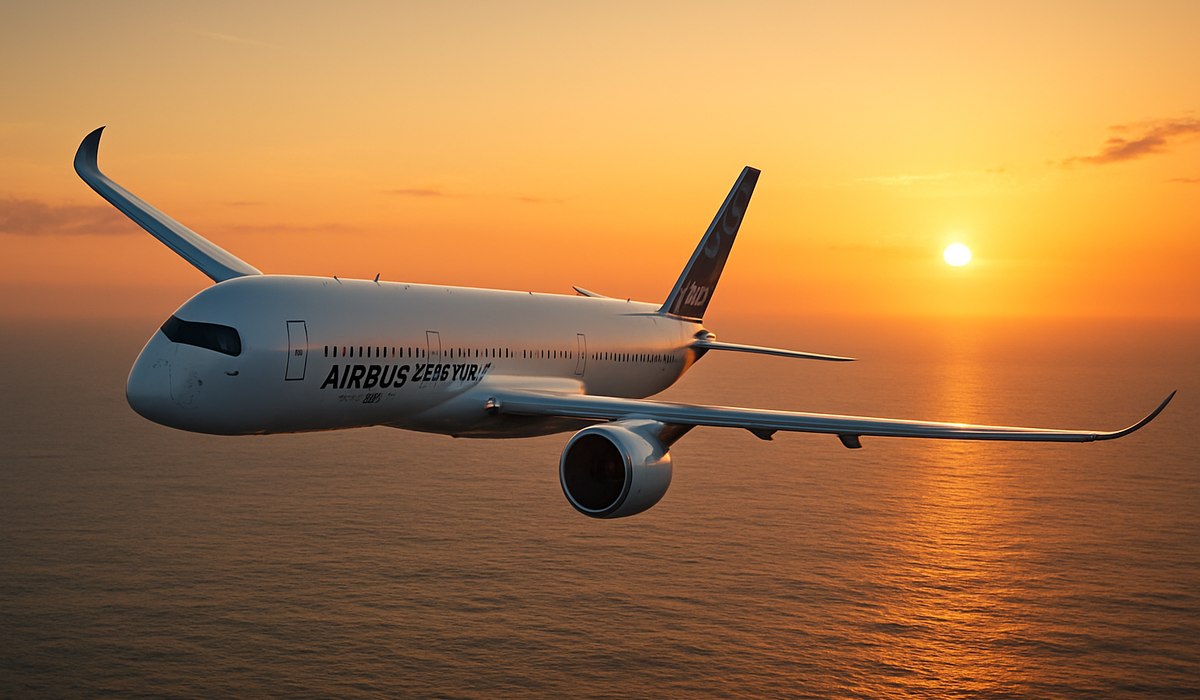
Image generated by AI
Air Canada's A350-1000 Could Reopen Melbourne Route
Air Canada executives revealed that the airline's next-generation Airbus A350-1000 fleet may enable previously unfeasible direct Vancouver-Melbourne service, marking a significant shift in the carrier's Australian expansion strategy. Speaking at a Sydney media briefing celebrating a decade of Brisbane-Vancouver operations, Managing Director International Sales Rocky Lo indicated that the aircraft giving Canada operational flexibility could transform route feasibility across the region. While no formal Melbourne launch timeline exists, the ultra-long-range jets arriving in 2030 represent the technological catalyst for reconsidering markets that regulatory constraints and operational requirements have kept off the network.
Melbourne featured prominently in Air Canada's pre-pandemic Australia ambitions, with seasonal service previously connecting the city to Canada. The route's suspension reflected both pandemic disruptions and subsequent regulatory changes affecting pilot staffing mandates and alternate airport planning requirements. These operational barriers made non-stop Vancouver-Melbourne service prohibitively complex under current fleet parameters, but the A350-1000's range and efficiency promise to reshape that equation entirely.
A350-1000: The Game-Changer for Australia Expansion
Air Canada's order encompasses eight firm aircraft with purchase rights for eight additional units, with deliveries commencing in the second half of 2030. The aircraft giving Canada competitive advantages in ultra-long-haul markets features superior fuel efficiency, extended range capabilities, and flexible passenger configurations ideal for premium-heavy Australian routes. Lo deliberately avoided confirming active Melbourne planning discussions, yet emphasized how the aircraft's technical specifications could render non-stop Australia-Canada service operationally realistic for the first time since pandemic-era constraints took effect.
The A350-1000 deployment timeline will fundamentally determine when serious Melbourne discussions materialize. Until these jets enter commercial service, Air Canada continues leveraging strategic partnerships with Virgin Australia to funnel Melbourne, Perth, and Canberra passengers through Brisbane and Sydney hubs. This connectivity model has effectively supported the Brisbane-Vancouver expansion, particularly for premium mining executives and corporate travelers increasingly willing to invest in superior long-haul comfort. The seamless terminal transfers at Brisbane enhance connection reliability, creating a compelling alternative while the airline awaits next-generation fleet arrival.
Authoritative route planning information is available through FlightAware's route database, where travelers can track current Air Canada operations and monitor future service announcements across Australia and Canada.
Melbourne's Long-Haul Opportunity
Melbourne represents a strategically significant market for Air Canada's future growth. Australia's second-largest city generates substantial premium-cabin demand, particularly from financial services, technology, and resource sectors with strong Canadian business ties. The aircraft giving Canada enhanced operational flexibility addresses Melbourne's geographic distance—a primary barrier under existing fleet constraints—while simultaneously expanding capacity for premium seating configurations that increasingly drive profitability on ultra-long-haul routes.
Current Air Canada operations via Sydney and Brisbane demonstrate robust demand fundamentals. Sydney-Vancouver operates with Boeing 777-200 aircraft featuring 40 business-class and 24 premium-economy seats, maximizing revenue potential across premium cabins. Brisbane-Vancouver recently transitioned to larger Boeing 787-9 widebodies, reflecting strong growth particularly among premium leisure and corporate segments. Melbourne's comparable market size suggests similar demand patterns could support direct service once operational constraints diminish through fleet modernization.
Premium travel preferences have intensified post-pandemic, with Australian long-haul passengers placing elevated emphasis on comfort factors. Air Canada's Senior Director Sales APAC Kiyo Weiss noted that travelers between Australia and Canada increasingly prioritize premium-cabin investments, fundamentally reshaping aircraft deployment strategies. The A350-1000's refined cabin environments and superior passenger amenities align perfectly with these evolving market expectations, positioning Melbourne service as both operationally feasible and commercially attractive.
Regulatory Hurdles and Operational Challenges
Establishing non-stop Vancouver-Melbourne service requires navigating complex regulatory frameworks governing ultra-long-haul operations. Enhanced pilot staffing regulations, mandatory alternate airport planning protocols, and crew rest requirements under 20-plus hour flight environments create substantial operational complexity. These regulatory constraints directly contributed to Melbourne service suspension during the pandemic period, transforming what was previously routine into a logistical challenge exceeding legacy fleet capabilities.
The A350-1000 addresses these hurdles through technological sophistication and operational flexibility. Extended range capabilities reduce dependence on alternate airport provisions, while optimized crew scheduling parameters accommodate regulatory mandates more efficiently than preceding aircraft generations. However, regulatory approval processes remain essential, requiring Air Canada to demonstrate compliance with Canadian, Australian, and international aviation authorities before Melbourne service launches.
Regulatory information and consumer protections are detailed through the FAA's flight operations guidance and the US Department of Transportation's air consumer protection standards, which establish frameworks applicable to cross-border operations including Canadian carriers.
Timeline and Deployment Considerations
Air Canada's A350-1000 deployment strategy will determine Melbourne service feasibility within defined timeframes. The airline has not publicly committed A350-1000 capacity specifically for Australian expansion, instead emphasizing fleet flexibility across global route networks. Managing Director Lo indicated that watching the A350-1000 entry-into-service milestone would be critical for Melbourne discussions, implicitly suggesting formal announcements remain contingent upon successful aircraft integration and network optimization.
The second-half 2030 delivery schedule provides Air Canada with 3-4 years for route planning, regulatory consultation, and market preparation before Melbourne service could realistically launch. This timeline aligns with broader Australian market evolution, including continued economic growth, premium-segment expansion, and potential regulatory refinements affecting ultra-long-haul operations. Early 2031 represents a plausible window for Melbourne service initiation, assuming Air Canada prioritizes the route within its A350-1000 deployment sequence.
Deployment considerations extend beyond Melbourne specifically. Air Canada's Australian commitment encompasses Brisbane-Vancouver growth potential, Sydney-Vancouver premium-cabin optimization, and potential expansion to additional cities including Perth and Adelaide. The A350-1000's flexibility enables Air Canada to pursue multiple growth vectors simultaneously, maximizing network efficiency while addressing diverse market opportunities across Australia's largest population centers.
Key Data Table
| Metric | Details |
|---|---|
| Aircraft Type | Airbus A350-1000 ultra-long-range widebody |
| Firm Orders | 8 aircraft with 8 additional purchase rights |
| Delivery Timeline | Second half 2030 onward |
| Current Melbourne Status | No active service; seasonal operations ceased pre-pandemic |
| Potential Route | Vancouver (YVR) to Melbourne (MEL) direct |
| Route Distance | Approximately 14,800 kilometers (9,200 miles) |
| Current Connectivity | Melbourne passengers connect via Sydney/Brisbane hubs |
| A350-1000 Range | 12,000+ nautical miles; supports ultra-long-haul operations |
| Premium Cabin Focus | Growing demand supports expanded business/premium-economy seating |
| Regulatory Requirement | Pilot staffing, alternate-airport, and crew-rest compliance |
What This Means for Travelers
Air Canada's A350-1000 arrival promises transformative benefits for Australian-Canadian travelers within 4-5 years. Understanding potential service expansions helps travelers plan long-term travel strategies and position themselves for competitive advantage when new routes launch.
Traveler Action Checklist:
-
Monitor Air Canada announcements through official press releases and investor communications for formal Melbourne service confirmation timing.
-
Register for frequent-flyer program benefits now to accumulate points before new routes potentially trigger elevated pricing for premium cabin bookings.
-
Track current Sydney/Brisbane operations via FlightAware to understand existing Air Canada Australia capacity and connectivity patterns.
-
Evaluate premium-cabin preferences on ultra-long-haul routes, as the A350
Disclaimer
This article is for informational and educational purposes only. It does not constitute legal, financial, or professional advice. While we strive to provide accurate and up-to-date information, travel policies, regulations, and conditions change rapidly. Always verify information with official sources before making travel decisions. Nomad Lawyer makes no representations about the accuracy, reliability, completeness, or suitability of the information provided. Readers should consult qualified professionals for advice specific to their circumstances. The views expressed in this article are those of the author and do not necessarily reflect the views of Nomad Lawyer.
Raushan Kumar
Founder & Lead Developer
Full-stack developer with 11+ years of experience and a passionate traveller. Raushan built Nomad Lawyer from the ground up with a vision to create the best travel and law experience on the web.
Learn more about our team →