
Airbus Aircraft Faces Persistent Engine Shortages Ahead of 2026 Shareholder Meeting
Airbus aircraft faces persistent engine supply crisis as Pratt & Whitney disputes jeopardize delivery schedules. The aerospace giant prepares for its April 2026 shareholder meeting amid mounting tensions with the US engine manufacturer over production commitments and timeline delays.

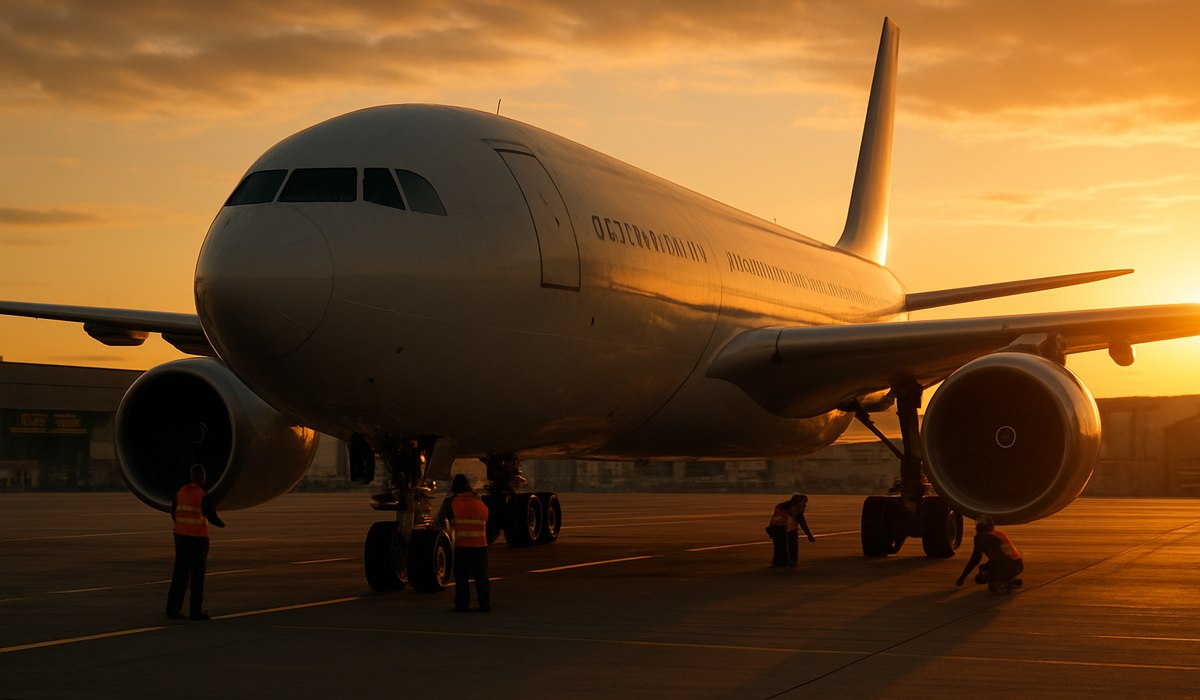
Image generated by AI
Airbus Aircraft Faces Critical Engine Supply Dispute as Shareholder Showdown Looms
Airbus prepares for its annual shareholder gathering in Amsterdam on April 14, 2026, as escalating tensions with Pratt & Whitney threaten to derail aircraft delivery schedules across multiple airline operators worldwide. The persistent engine shortage dispute between the European aerospace manufacturer and the Connecticut-based turbine producer has created significant uncertainty in aviation supply chains, affecting carriers that depend on timely aircraft arrivals to maintain route networks and passenger services throughout 2026 and beyond.
The Core Dispute: Airbus vs. Pratt & Whitney
The conflict between Airbus and Pratt & Whitney centers on engine production capacity and contractual delivery obligations. Pratt & Whitney has faced persistent manufacturing challenges with its advanced turbofan engines, creating bottlenecks that ripple through Airbus's assembly pipelines. The engine shortage directly impacts Airbus's ability to fulfill purchase agreements with global airlines, forcing production delays that extend aircraft delivery windows by months.
Airbus executives argue that Pratt & Whitney has failed to meet agreed-upon production schedules, while the engine maker cites supply chain disruptions and quality assurance requirements as justification for delays. This stalemate threatens billions in revenue for Airbus and forces difficult conversations with airline customers expecting on-time deliveries. The shareholder meeting will provide a platform for discussing remedies, potential penalties, and revised timelines. Industry analysts expect the dispute to dominate discussion during the April gathering in Amsterdam, as investors demand clarity on recovery plans and financial impact assessments.
Impact on Aircraft Delivery Schedules
Airlines worldwide face cascading delays as Airbus aircraft faces supply constraints linked to Pratt & Whitney engine availability. Carriers including major European, North American, and Asian operators have reported postponed aircraft handovers, forcing fleet modernization plans into extended timelines. The A320 family and A350 programs experience the most significant delays, affecting routes and passenger capacity across international networks.
Airlines dependent on new aircraft deliveries must now adjust fleet planning through 2026 and 2027. Some carriers have explored temporary leasing arrangements and aircraft swaps to compensate for delayed new deliveries. This creates operational inefficiencies, increased costs, and potential service reductions on certain routes. The persistent shortage threatens growth projections for carriers planning expansion, particularly low-cost operators that depend on fuel-efficient new aircraft to maintain competitive advantage. Long-haul carriers expecting A350s face particular challenges, as these aircraft are essential for launching new intercontinental routes requiring advanced efficiency metrics.
What's at Stake for Shareholders
Airbus shareholders face significant uncertainty regarding revenue projections and profitability forecasts for 2026-2027. The persistent engine shortage directly impacts cash flow, as aircraft deliveries trigger payment milestones. Delayed deliveries mean postponed revenue recognition, affecting quarterly earnings announcements and investor confidence.
Beyond immediate financial metrics, shareholders must evaluate Airbus's strategic relationship with Pratt & Whitney and consider diversification of engine sourcing strategies. The dispute raises questions about supply chain resilience and contractual enforcement mechanisms. Some shareholders advocate for accelerating relationships with alternative engine suppliers, including CFM International and Rolls-Royce, though such transitions require extensive certification and testing. The shareholder meeting will reveal management's perspective on long-term mitigation strategies and financial provisioning for ongoing disputes. Investors are monitoring whether Airbus will pursue litigation, negotiate settlement terms, or accept extended timelines as the new operational reality.
Industry Ripple Effects and Broader Aviation Impact
The Airbus aircraft shortage extends beyond single manufacturers, affecting airports, ground handlers, and third-party service providers worldwide. Airlines unable to receive new aircraft must defer network expansion, delay retirement of older fuel-inefficient aircraft, and recalibrate capacity planning across major hubs. This creates operational challenges at congested airports already managing capacity constraints.
Airports including Amsterdam Airport Schiphol, Frankfurt, and Paris Charles de Gaulle face implications for long-term growth strategies built around aircraft modernization. The persistent supply crisis forces carriers to maximize utilization of existing fleets, potentially increasing maintenance intervals and reducing reliability metrics. European aviation authorities, including EASA (European Union Aviation Safety Agency), monitor the situation closely. Smaller regional carriers experience disproportionate impact, as they lack leverage to negotiate temporary accommodations or alternative aircraft sourcing. The shortage reinforces broader conversations about supply chain dependencies in aviation and the industry's vulnerability to single-source manufacturing disruptions.
Key Impact Metrics and Timeline
| Metric | Status | Impact |
|---|---|---|
| Airbus Shareholder Meeting | April 14, 2026 (Amsterdam) | Board strategy disclosure |
| A320 Delivery Delays | 3-6 month extensions | 200+ aircraft affected |
| A350 Production Impact | Ongoing constraints | Long-haul route delays |
| Pratt & Whitney Production Rate | Below target capacity | Engine shortage persists |
| Affected Global Airlines | 50+ major carriers | International route impacts |
| Financial Exposure | Estimated €2-5 billion | Airbus revenue deferral |
| Engine Shortage Duration | Through 2026-2027 | Multi-year recovery projection |
What This Means for Travelers
Passengers may experience indirect impacts from aircraft delivery delays, though immediate flight cancellations remain unlikely. Instead, expect subtle changes in route availability, increased prices on certain popular segments, and potential capacity reductions as airlines maximize existing fleet utilization.
Traveler Action Checklist:
- Monitor airline fleet announcements on your preferred carrier's investor relations pages for delivery timeline updates affecting your frequent routes
- Book international flights early for 2026-2027 travel, as capacity constraints may tighten availability on popular long-haul routes receiving new aircraft
- Check FlightAware (https://FlightAware.com) for real-time fleet composition on your specific flights; newer aircraft typically offer better amenities and reliability
- Review airline frequent flyer programs for redemption availability, as newer aircraft routes may have limited premium seating inventory
- Verify aircraft type during booking by examining seat maps and technical specifications; delays may mean flying older models on previously modernized routes
- Set up price alerts for competitive routes, as airlines may adjust pricing strategies during capacity transitions and fleet delays
Frequently Asked Questions
How will aircraft delivery delays affect my upcoming flight? Direct flight cancellations are unlikely. However, airlines may adjust aircraft assignments on routes, potentially placing smaller aircraft on popular segments or reducing daily frequencies. Check your specific flight's equipment assignment on FlightAware before travel dates approach.
Should I reschedule my 2026 travel plans? Rescheduling isn't necessary for most travelers. Route cancellations remain unlikely. Instead, book earlier than usual for peak travel periods, as capacity constraints may limit seat availability on high-demand flights throughout 2026 and into 2027.
Which airlines are most affected by aircraft shortages? European carriers and international operators dependent on Airbus aircraft face the greatest impact. Check the FAA (https://www.faa.gov) and your airline's official website for fleet modernization status and any service announcements.
Can I claim compensation if my flight is affected? Delayed deliveries don't automatically trigger EU261 compensation unless your flight experiences cancellation or delay. Review the US DOT airconsumer rules (https://www.transportation.gov/airconsumer) for your jurisdiction's passenger rights regarding schedule changes and rebooking options.
Related Travel Guides
Disclaimer
This article is for informational and educational purposes only. It does not constitute legal, financial, or professional advice. While we strive to provide accurate and up-to-date information, travel policies, regulations, and conditions change rapidly. Always verify information with official sources before making travel decisions. Nomad Lawyer makes no representations about the accuracy, reliability, completeness, or suitability of the information provided. Readers should consult qualified professionals for advice specific to their circumstances. The views expressed in this article are those of the author and do not necessarily reflect the views of Nomad Lawyer.
Preeti Gunjan
Contributor & Community Manager
A passionate traveller and community builder. Preeti helps grow the Nomad Lawyer community, fostering engagement and bringing the reader experience to life.
Learn more about our team →