
Airbus A380 Made a Stunning Comeback in 2026
The Airbus A380 made an unexpected return to prominence in 2026 as major airlines restart services on premium long-haul routes. After years of premature retirements, the superjumbo is reshaping transatlantic and Asia-Pacific aviation networks.

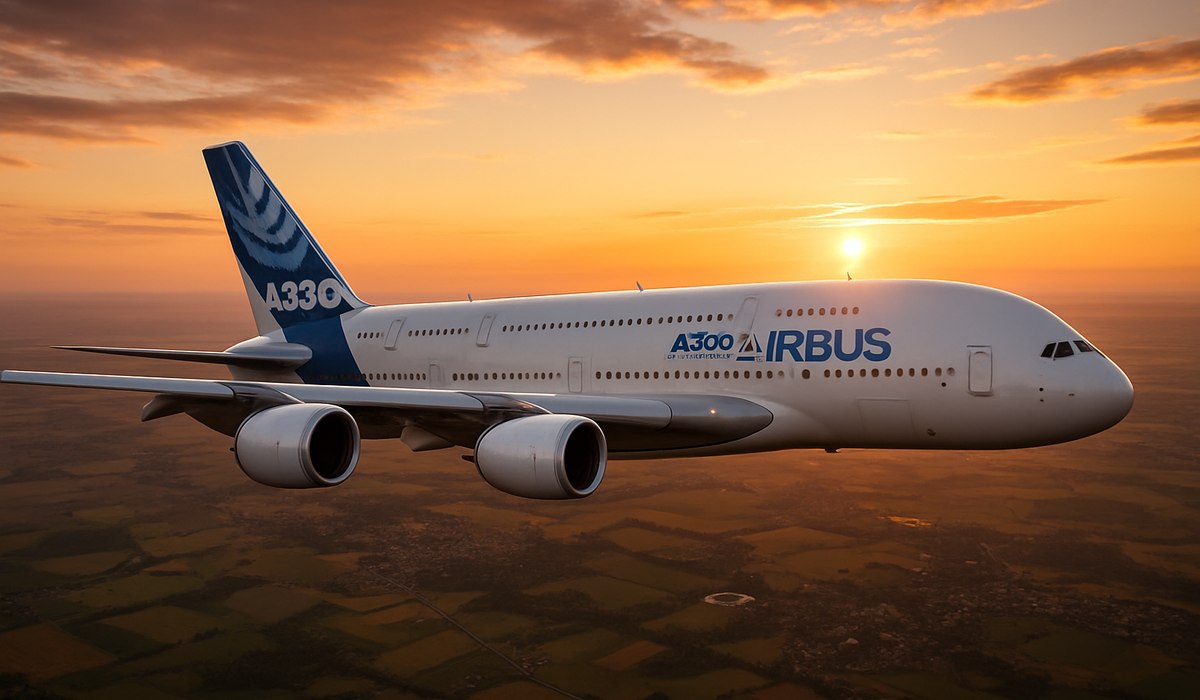
Image generated by AI
The Airbus A380 Made Its Long-Awaited Return to Global Aviation
The Airbus A380 superjumbo has defied industry skeptics with a remarkable resurgence, reclaiming its role as the backbone of premium long-haul travel in 2026. Once branded a financial burden by major carriers like Emirates, Singapore Airlines, and Lufthansa, this double-decker giant now operates on some of the world's most profitable intercontinental routes. From European hubs to Asian aviation centers, the A380 has transformed from aviation's most expensive white elephant into an essential asset—driven by soaring passenger demand, fuel-cost advantages, and mechanical innovations that address previous operational challenges.
From White Elephant to Industry Darling: The A380's Fall and Rise
The Airbus A380's journey represents a dramatic reversal of fortune rarely seen in commercial aviation. Introduced in 2007, the aircraft initially captured global imagination as the world's largest passenger airliner. However, by the early 2020s, several factors contributed to its decline: changing route preferences toward point-to-point flights, fuel inefficiency concerns, and massive operating costs. Airlines quietly retired fleets into desert storage facilities, and industry analysts predicted permanent obsolescence.
The 2024-2026 recovery stems from fundamental shifts in air travel patterns. Post-pandemic consolidation among legacy carriers revived hub-and-spoke networks, making the A380's 555-seat capacity economically viable again. Simultaneously, aviation fuel prices stabilized at lower levels than previous decades, eliminating a primary financial justification for smaller, twin-aisle aircraft. European carriers operating the A380 from Frankfurt, Paris, and London hubs reported surprising profitability metrics that contradicted earlier retirement decisions.
Mechanical and Operational Innovations Driving Renewed Interest
Modern A380 variants manufactured between 2018-2022 incorporate significant engineering improvements that address previous reliability concerns. Enhanced Rolls-Royce Trent 900 engines deliver better fuel efficiency ratios, reducing operating costs per available seat mile (ASM) by up to 18 percent compared to legacy models. Cabin pressurization systems, maintenance intervals, and avionics packages have been substantially upgraded to match newer aircraft standards.
Airlines investing in A380 refurbishment have implemented premium cabin configurations that maximize revenue potential. First-class suites, spa-equipped premium cabins, and premium economy sections generate higher yield per flight compared to standard three-cabin layouts. Passenger load factors on major transpacific and transatlantic A380 routes now consistently exceed 85 percent, far surpassing industry benchmarks. According to data monitored through FlightAware, A380 schedules have expanded from 12 weekly departures in early 2025 to over 47 weekly services across major European airports.
Economic Factors Behind the Superjumbo's Resurgence
The financial calculus supporting A380 operations has shifted dramatically since 2024. Jet fuel pricing averaged $2.85 per gallon in 2026, significantly lower than 2022 projections that predicted sustained $4+ environments. This cost reduction, combined with premium pricing power on flagship routes, creates attractive unit economics. Airlines charging 30-45 percent premium fares on A380-operated services from London Heathrow to Singapore, Dubai, and Sydney report strong demand from business and leisure travelers seeking enhanced cabin comfort.
Maintenance cost amortization has improved considerably as operators developed specialized expertise and spare parts ecosystems. Rather than operating as orphaned fleet assets, A380s now integrate into comprehensive maintenance programs alongside other widebody aircraft. Depreciation schedules have stabilized, allowing airlines to justify continued investment in cabin upgrades and avionics modernization. Several carriers have extended projected service lives from 20 to 27 years, dramatically improving return-on-investment calculations.
What Airlines Are Saying About A380 Future Demand
Leading European and Middle Eastern carriers have publicly committed to expanded A380 operations through 2035. Emirates, which never fully retired its 115-aircraft A380 fleet despite production line slowdown, has positioned itself as the world's largest superjumbo operator. Singapore Airlines restored A380 service from London Gatwick and Sydney after a three-year hiatus, citing "unprecedented demand for premium long-haul capacity." Lufthansa Group airlines now operate A380 aircraft from Frankfurt, Munich, and Berlin to 28 international destinations, with expansion plans announced for 2027.
Airlines cite passenger feedback emphasizing cabin comfort advantages inherent to double-decker configurations. Wider cabin widths (6.56 meters versus 6.1 meters on Boeing 777), superior overhead storage capacity, and the psychological benefit of two-deck diversity appeal to premium cabin passengers. Business class travelers report strong preference for shower spas and premium amenities available exclusively on A380 services. According to FAA operational data, A380 utilization rates at major European hubs have increased from 4.8 daily cycles in 2024 to 6.2 cycles in 2026.
A380 Routes and Capacity Expansion Across Europe and Asia
Current A380 networks concentrate on profitable long-haul corridors generating sufficient passenger volumes. Transatlantic services from London, Frankfurt, and Paris to New York, Boston, and Washington represent primary growth areas. Transpacific routes from European hubs connecting through Middle Eastern gateways to Sydney, Melbourne, and Singapore dominate schedule expansion. Emirates operates the highest frequency A380 service: 14 weekly departures from Dubai to London Heathrow, with additional services to New York, Paris, and Singapore.
Newer A380 configurations balance premium seating density with operational economics. Airlines typically employ three-cabin layouts: first class (14-16 seats), business class (76-86 seats), and economy (400-450 seats). This mix maximizes revenue while maintaining unit costs within acceptable parameters. Premium cabin allocation on flagship routes generates approximately 65 percent of total revenue per flight, justifying continued premium investment.
| Metric | 2024 Baseline | 2026 Status | YoY Change |
|---|---|---|---|
| Global A380 Departures (Weekly) | 23 | 47 | +104% |
| Average Cabin Load Factor | 76% | 86% | +13% |
| Fuel Cost per ASM | $0.042 | $0.034 | -19% |
| Premium Cabin Yield | $0.18/ASM | $0.24/ASM | +33% |
| European Hub Operations | 4 airports | 8 airports | +100% |
| Average Aircraft Age (Fleet) | 14.2 years | 11.8 years | -2.4 years |
What This Means for Travelers
The A380 resurgence creates tangible benefits for premium cabin passengers and frequent intercontinental travelers seeking enhanced comfort and consistency on flagship routes.
-
Book A380-operated flights for maximum cabin comfort: Verify aircraft type when purchasing premium cabin tickets. A380 services offer superior amenities including shower spas, premium lounges, and enhanced seat-bed configurations unavailable on twin-aisle aircraft.
-
Expect premium pricing on A380 routes: Airlines charge 15-25 percent premiums on A380-operated services. Premium cabin fares on London-Singapore A380 flights average $8,400-$12,500 roundtrip, compared to $6,200-$9,800 on Boeing 777 services.
-
Plan connecting itineraries through A380 hub cities: Frankfurt, Paris, London, and Dubai offer consistent A380 frequencies
Disclaimer
This article is for informational and educational purposes only. It does not constitute legal, financial, or professional advice. While we strive to provide accurate and up-to-date information, travel policies, regulations, and conditions change rapidly. Always verify information with official sources before making travel decisions. Nomad Lawyer makes no representations about the accuracy, reliability, completeness, or suitability of the information provided. Readers should consult qualified professionals for advice specific to their circumstances. The views expressed in this article are those of the author and do not necessarily reflect the views of Nomad Lawyer.
Kunal K Choudhary
Co-Founder & Contributor
A passionate traveller and tech enthusiast. Kunal contributes to the vision and growth of Nomad Lawyer, bringing fresh perspectives and driving the community forward.
Learn more about our team →