
Airbus A380 Build: Why Four Engines Doomed the Superjumbo
The Airbus A380 build prioritized engineering ambition over economics. Its four-engine design consumed excessive fuel, making the superjumbo unprofitable for most airlines operating the massive aircraft.

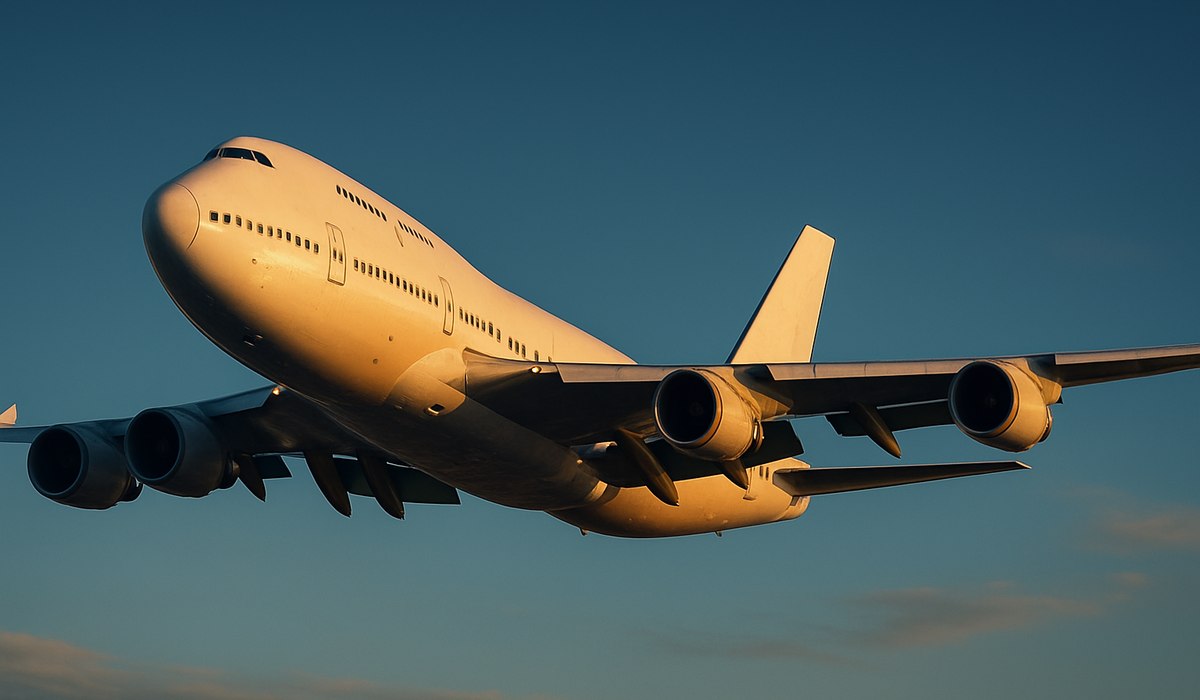
Image generated by AI
The Engineering Marvel That Broke Economics
The Airbus A380 build represents one of aviation's most ambitious yet ultimately flawed engineering decisions. Standing 80 meters across its full-length wingspan and featuring two complete passenger decks, the A380 superjumbo became instantly iconic upon its debut. However, the aircraft's four large high-bypass turbofan engines—designed to maximize capacity and performance—created operational challenges that eventually rendered the airbus a380 build economically unviable for most international carriers. What seemed revolutionary in design quickly became a cautionary tale about prioritizing scale over sustainability.
The four-engine configuration was originally conceived to address airline demand for ultra-high-capacity transatlantic and ultra-long-haul services. Engineers at Airbus believed passengers would fill 550-seat cabins, justifying the enormous fuel consumption and infrastructure requirements. This assumption fundamentally underestimated how modern aviation economics would evolve over the 2010s and 2020s.
The Four-Engine Design Decision
When Airbus committed to the airbus a380 build project in the late 1990s, aviation industry experts projected that airlines would need massive aircraft to move growing passenger volumes efficiently. The four-engine design offered unmatched redundancy, regulatory flexibility, and psychological appeal. Larger engines meant fewer of them; more engines meant distributed risk across the power plant.
However, this engineering philosophy overlooked critical market shifts. Twin-engine aircraft like the Boeing 777 and later 787 Dreamliner demonstrated that two powerful, efficient engines could cover virtually any route with superior fuel economics. Modern engine technology advanced faster than anyone anticipated, enabling smaller aircraft to fly farther with dramatically lower operating costs.
The airbus a380 build's four-engine requirement also meant the superjumbo couldn't access secondary airports or routes with weight restrictions. This geographical limitation severely reduced operational flexibility compared to twin-engine competitors serving the same markets.
Profitability Problems and Fuel Consumption
The fundamental flaw in the airbus a380 build became apparent within five years of commercial service: fuel costs spiraled with each four-engine operation. Each engine consumed enormous quantities of jet fuel, and only at maximum capacity—which rarely occurred—could airlines approach profitability.
Airlines discovered that four-engine A380 flights required approximately 25% more fuel than twin-engine alternatives on comparable routes. When operating at 70-80% capacity, a routine load factor for international flights, the mathematics turned decidedly negative. Route profitability demands broke down across most networks except the most densely-trafficked intercontinental corridors.
Additionally, the airbus a380 build's massive landing gear and structural complexity demanded elevated maintenance costs. Parts availability remained limited, specialized technician training required expensive certifications, and downtime between flights extended significantly. For a aircraft that could only generate revenue when airborne, these factors created persistent operational headaches that airlines found increasingly unacceptable as fuel prices climbed.
Market Shift Toward Smaller Aircraft
By 2015, the market reality contradicted the airbus a380 build's foundational assumptions. Airlines overwhelmingly preferred deploying multiple smaller aircraft on point-to-point routes rather than concentrating passengers into single superjumbo flights. This network restructuring offered superior flexibility, schedule reliability, and revenue optimization.
The Boeing 777 and Airbus A350 became the genuine workhorses of long-haul aviation, proving that twin-engine efficiency plus modern avionics could replace hub-and-spoke networks that required A380-class capacity. Low-cost carriers demonstrated that frequency and schedule reliability generated stronger customer satisfaction than ultra-high capacity on individual flights.
Furthermore, post-pandemic travel patterns revealed that business travelers prioritized convenience and connection flexibility over rock-bottom per-seat costs. The A380's model—which optimized for lowest theoretical per-seat economics—became outdated as airlines recognized that premium cabin revenue and schedule frequency generated better returns.
The A380's Legacy and Lessons
The airbus a380 build's commercial failure teaches crucial lessons about aviation engineering and market forecasting. Technical excellence and manufacturing achievement don't guarantee commercial viability. The A380 remained a marvel of engineering: assembling two complete aircraft decks, coordinating four independent engine systems, and operating safely across the globe required extraordinary expertise.
Yet engineering ambition without market discipline produces expensive mistakes. Airbus invested over $25 billion developing the airbus a380 build, producing only 251 aircraft before discontinuing the program in 2021. By comparison, Boeing's 777 program generated roughly 2,000 aircraft orders. The market had decisively spoken about aviation's future.
Today, the A380 serves a niche role with select carriers including Emirates, Singapore Airlines, and Lufthansa. These airlines operate specific hub routes where the superjumbo's unique capacity provides genuine advantages. However, these exceptions confirm rather than contradict the rule: modern aviation economics favor smaller, more efficient aircraft.
The lessons extend beyond commercial aircraft manufacturing. Across industries, companies attempting to serve universal customer needs through a single massive product often fail. Customization, flexibility, and operational efficiency typically outperform one-size-fits-all approaches with larger footprints and greater complexity.
Traveler Action Checklist
Understanding aircraft economics helps you navigate airline choices strategically:
-
Check your aircraft type before booking—visit airline websites or FlightAware to identify aircraft assignments and research fuel efficiency ratings for your specific routing.
-
Prioritize connecting flexibility over single-leg capacity, as twin-engine aircraft offer superior schedule frequency and lower cancellation rates on most routes.
-
Verify fuel surcharge policies since larger aircraft typically impose higher environmental and operational fees that transfer to ticket prices.
-
Monitor airline route changes on aviation news sources, as A380 retirements signal capacity reductions on specific international corridors you may use regularly.
-
Request seating upgrades strategically on remaining A380 flights, as the upper deck offers unique vantage points and cabin experiences unavailable on standard widebody aircraft.
-
**Contact US DOT Aviation Consumer Protection if aircraft changes violate your booking terms or create accessibility issues requiring compensation.
Key Data Table: A380 vs. Modern Aircraft Comparison
| Metric | Airbus A380 | Boeing 777-300ER | Airbus A350-900 |
|---|---|---|---|
| Passenger Capacity | 555 | 396 | 314 |
| Engines | 4 | 2 | 2 |
| Fuel Consumption (per seat) | Higher | 22% lower | 25% lower |
| Range | 15,000 km | 14,685 km | 15,000 km |
| Operating Cost per Hour | $161,000 | $85,000 | $76,000 |
| Total Aircraft Built | 251 | 2,000+ | 650+ |
| Program Profit Status | Loss | Profitable | Profitable |
What This Means for Travelers
The airbus a380 build's decline represents a fundamental shift in how airlines structure international networks. Rather than concentrating passengers into single daily flights, carriers now operate multiple daily frequencies on popular routes using smaller, more efficient aircraft.
For leisure travelers, this means enhanced schedule flexibility and more departure options on popular international routes. You're no longer dependent on a single A380 departure time; instead, you might choose between six daily twin-engine flights. Schedule reliability improves when airlines operate aircraft they've mastered operationally, reducing mechanical delays and cancellations.
However, A380 enthusiasts should book remaining superjumbo flights soon. As the aircraft retires from major carrier fleets, opportunities to experience aviation's most distinctive aircraft narrow substantially. Emirates continues operating A380s on Dubai hub routes; Singapore Airlines maintains A380 services on
Disclaimer
This article is for informational and educational purposes only. It does not constitute legal, financial, or professional advice. While we strive to provide accurate and up-to-date information, travel policies, regulations, and conditions change rapidly. Always verify information with official sources before making travel decisions. Nomad Lawyer makes no representations about the accuracy, reliability, completeness, or suitability of the information provided. Readers should consult qualified professionals for advice specific to their circumstances. The views expressed in this article are those of the author and do not necessarily reflect the views of Nomad Lawyer.
Raushan Kumar
Founder & Lead Developer
Full-stack developer with 11+ years of experience and a passionate traveller. Raushan built Nomad Lawyer from the ground up with a vision to create the best travel and law experience on the web.
Learn more about our team →