
AirAsia X Raises Fares Up to 40% Amid Middle East Tensions
AirAsia X implements fare increases up to 40% in 2026 to offset escalating fuel costs from Middle East geopolitical tensions while safeguarding workforce and expansion capacity.

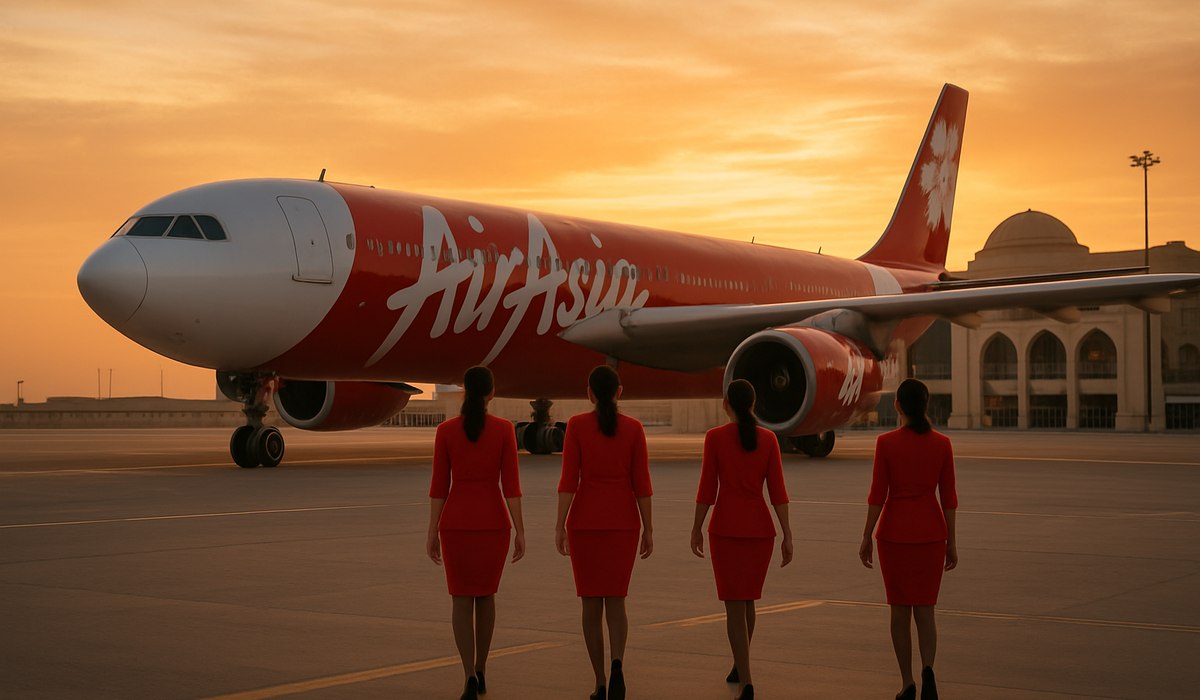
Image generated by AI
AirAsia X Implements Strategic Fare Hikes to Counter Fuel Volatility
AirAsia X, the long-haul budget arm of the Malaysia-based AirAsia Group, announced significant ticket price adjustments on April 6, 2026, with increases reaching up to 40% on select routes. The carrier attributes the aggressive pricing strategy to volatile crude oil markets triggered by geopolitical tensions in the Middle East and broader regional instability. Rather than cutting capacity or laying off staff, the airline is passing increased operational costs directly to passengers while maintaining its expansion timeline and workforce stability across Asia-Pacific markets.
The decision reflects a calculated bet that regional tensions will de-escalate before the low-cost carrier's business model faces unsustainable pressure. Industry observers note this approach differs sharply from competitors who have already announced capacity reductions or workforce adjustments in response to similar cost pressures.
Why AirAsia X Is Hiking Fares Now
Jet fuel prices have surged approximately 35-45% since early 2026 due to supply chain disruptions and elevated geopolitical risk premiums. AirAsia X, operating primarily across Asia-Pacific routes with significant exposure to Middle East-adjacent flight corridors, faces compounded exposure to fuel market volatility.
Unlike legacy carriers with diverse revenue streams, budget airlines depend heavily on volume-based unit economics. Rising fuel costs directly compress already-thin margins (typically 2-5% for low-cost operators). By implementing selective fare increases rather than broad-based cuts, AirAsia X aims to recover cost pressures without sacrificing the passenger volume essential to its business model.
The timing also matters strategically. Peak summer travel seasons and increased corporate travel demand create price elasticity room. According to industry benchmarks tracked on FlightAware, regional carriers implementing mid-range fare adjustments (25-45%) typically experience 8-15% passenger demand declines rather than proportional revenue loss.
How the Airline Plans to Protect Jobs and Capacity
Rather than implementing furloughs or route suspensions, AirAsia X is absorbing fuel cost increases through the fare adjustment mechanism. The airline confirmed that headcount across flight operations, ground handling, and customer service will remain stable through 2026.
This approach carries strategic advantages. Retaining trained personnel ensures operational continuity and preserves institutional knowledge critical for rapid scale-up once market conditions normalize. The airline's expansion plans—including new routes from its Kuala Lumpur and Bangkok hubs—remain on schedule.
Capacity management focuses on load factor optimization rather than fleet reduction. AirAsia X will concentrate increased-margin revenue on highest-demand routes while maintaining service frequency on strategic regional connections. The airline operates approximately 68 aircraft serving 25 Asian destinations, and current guidance suggests no net reduction in available seat-miles through 2026.
Employee communication materials emphasize that fare increases fund operational sustainability rather than profit expansion, positioning workforce retention as interdependent with passenger pricing discipline.
The Low-Cost Carrier's Bet on Regional De-escalation
AirAsia X's pricing strategy implicitly assumes Middle East tensions will stabilize within 6-12 months. Historical precedent provides mixed signals. The 2003 Iraq War saw elevated fuel prices persist for 18+ months, while the 2011 Libya conflict resolved fuel market impact within 3-4 months.
Current geological risk factors (Strait of Hormuz chokepoint concerns, Iranian sanctions implications) create genuine structural fuel cost elevation. However, airline management believes demand elasticity and competitive capacity constraints will prevent widespread industry-wide pricing wars, creating a stable higher-price equilibrium.
The airline's Bahrain expansion plans—including increased frequencies to Gulf Cooperation Council markets—suggest confidence in regional stability. New service patterns launching Q3 2026 assume normalized fuel pricing by October.
This optimistic stance carries execution risk. If tensions escalate further, competitors implementing aggressive capacity cuts could undercut AirAsia X's premium pricing before structural market adjustments occur. Conversely, rapid de-escalation could leave AirAsia X holding higher fares relative to competitors with lower cost structures.
What This Means for Travelers and the Industry
The airasia iran asia fare increase signals broader industry adjustment patterns. Budget carriers historically compete on price; when cost pressures force pricing upward, competitive differentiation narrows. Business and premium leisure travelers may shift toward legacy carriers or Asian carriers with stronger cost management profiles.
For Asia-Pacific budget travelers, expect 2026 summer bookings to cost 25-40% more on AirAsia X long-haul routes compared to 2025 pricing. Regional competitors (AirAsia Group's mainline carrier, Jetstar, Lion Air) have implemented similar or larger adjustments, suggesting industry-wide equilibrium rather than AirAsia X-specific premium pricing.
Conversely, budget carriers maintaining lower fares through aggressive cost-cutting may experience service degradation or financial stress. The industry's long-term structure will likely shift toward higher sustainable fares reflecting genuine operating costs, away from loss-leader promotional pricing models that dominated 2015-2022.
| Metric | 2025 Baseline | 2026 Current | Impact |
|---|---|---|---|
| Jet Fuel Price ($/barrel) | $68-72 | $104-112 | +50-55% YoY |
| AirAsia X Average Fare (KUL-LHR) | $385-420 | $540-590 | +40% increase |
| Passenger Load Factor Target | 82-84% | 79-81% | -3-5 points |
| Operating Margin Guidance | 4-6% | 3.5-5% | -0.5-1.5 points |
| Fleet Size (aircraft) | 68 | 68 | Flat (no cuts) |
| Route Capacity (ASK millions) | 42,300 | 41,800 | -1.2% reduction |
| Workforce Headcount | 9,840 | 9,840 | No layoffs |
What This Means for Travelers
For passengers booked on AirAsia X routes during 2026 peak seasons, higher fares represent fixed costs already locked in. Future bookings will face elevated baseline pricing. Travelers should implement these strategic adjustments:
-
Book 8-12 weeks in advance to access lowest available fares before peak season demand compression. AirAsia X historically releases promotional pricing 10-14 weeks pre-departure.
-
Monitor fuel prices via energy market data (WTI crude benchmarks) to anticipate when de-escalation might trigger fare corrections. Fuel spikes typically propagate to airline pricing within 3-5 weeks.
-
Compare legacy carrier pricing on identical routes. Higher fuel surcharges may make premium cabin positioning on Singapore Airlines, Cathay Pacific, or Thai Airways competitive versus AirAsia X basic economy.
-
Build flexibility into travel plans by selecting dates outside July-August and December-January peaks, when AirAsia X demand (and thus fares) concentrates most intensely.
-
Enroll in airline frequent flyer programs early to accumulate miles during high-pricing periods, offsetting nominal fare increases on future redemption bookings.
-
Consider regional alternatives like AirAsia Group's mainline carrier (often 15-25% cheaper than AirAsia X on regional Asia routes) for shorter hauls where legacy carriers lack competitive presence.
Frequently Asked Questions
Will AirAsia X fares decrease if fuel prices fall?
Historically, airlines reduce fares slowly when input costs decline, typically 60-90 days after market stabilization. Competitive pressure
Disclaimer
This article is for informational and educational purposes only. It does not constitute legal, financial, or professional advice. While we strive to provide accurate and up-to-date information, travel policies, regulations, and conditions change rapidly. Always verify information with official sources before making travel decisions. Nomad Lawyer makes no representations about the accuracy, reliability, completeness, or suitability of the information provided. Readers should consult qualified professionals for advice specific to their circumstances. The views expressed in this article are those of the author and do not necessarily reflect the views of Nomad Lawyer.
Kunal K Choudhary
Co-Founder & Contributor
A passionate traveller and tech enthusiast. Kunal contributes to the vision and growth of Nomad Lawyer, bringing fresh perspectives and driving the community forward.
Learn more about our team →