
Air New Zealand Adds 72,000 Seats in Winter 2026 Expansion
Air New Zealand and Singapore Airlines are adding 72,000 seats and launching new Christchurch routes for Northern Winter 2026, signaling major growth in Asia-Pacific aviation connectivity.

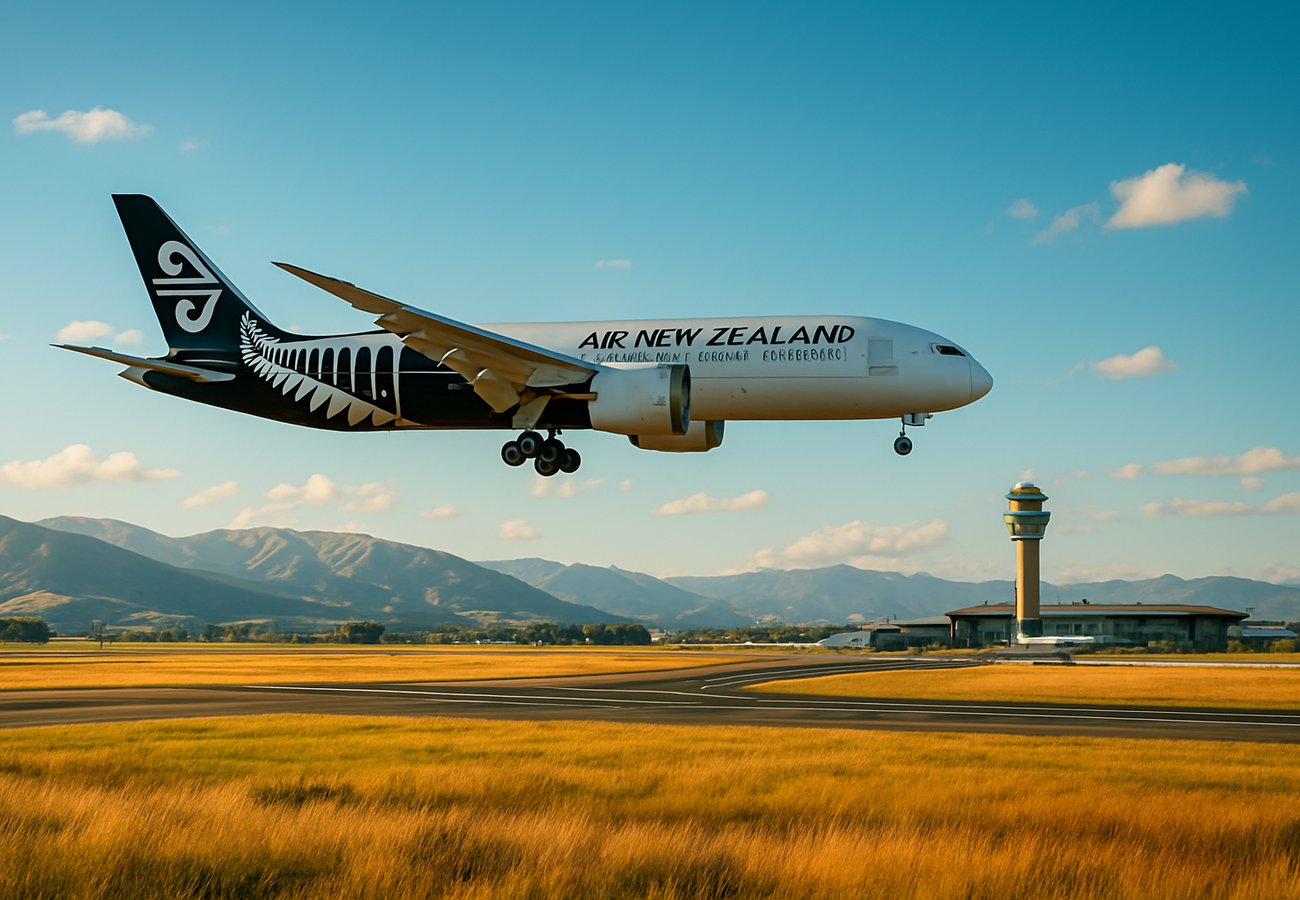
Image generated by AI
The aviation industry just witnessed a seismic shift. Air New Zealand and Singapore Airlines have announced one of the most aggressive capacity expansions in recent memory for the Northern Winter 2026 season—and it's going to reshape travel patterns across the entire Asia-Pacific region.
The numbers are staggering: 72,000 additional seats flooding into the New Zealand-Singapore corridor. That's a 17% capacity increase between these two critical hubs. This isn't incremental growth. This is a full-throttle commitment to meeting explosive international travel demand.
The Strategic Masterplan Behind the Numbers
Both carriers are banking on a fundamental shift in global travel behavior. Passenger demand between New Zealand, Singapore, and beyond has surged beyond historical averages. Leisure travellers, business professionals, and those visiting friends and relatives are all clamoring for flights—and for years, seat availability has been the bottleneck.
Singapore functions as the world's most crucial aviation crossroads. Passengers from Southeast Asia, India, the UK, and continental Europe funnel through this hub to reach New Zealand. By expanding capacity here, Air New Zealand and Singapore Airlines are essentially opening floodgates to multiple continents simultaneously.
Reddit: "Finally! Getting to New Zealand without a 6-month advance booking would be a game-changer." — r/travel
The partnership between these carriers is decades-old, built on trust and coordination. This expansion represents their strongest vote of confidence yet in sustained aviation recovery post-disruption.
What's Actually Changing for Passengers?
Here's where it gets exciting for travellers. Air New Zealand is launching three weekly non-stop flights between Singapore and Christchurch using Boeing 787 Dreamliner aircraft. This is the headline move. Previously, Christchurch passengers faced limited direct service options. Now they're getting dedicated capacity to one of New Zealand's most visited regions.
That's not all. Singapore Airlines will continue its Christchurch operations, resulting in a combined 15 weekly services during peak travel months. The South Island finally gets the connectivity it deserves.
For Auckland, the expansion is equally dramatic. Air New Zealand will add four weekly services using Boeing 777 and 787 aircraft. But here's the kicker: Singapore Airlines will deploy its flagship Airbus A380—the world's largest passenger airliner—on daily Auckland flights. This is premium capacity with premium amenities.
According to Singapore Airlines' official network strategy, the A380 deployment signals confidence in sustained demand. These aircraft don't fly routes unless airlines are certain they'll fill seats.
How 72,000 Seats Translates to Real Traveller Benefits
This expansion lifts total seasonal capacity between Singapore and New Zealand to over 490,000 seats. That's transformational. It means:
Flexibility becomes real. Instead of booking 6 months in advance just to secure a seat, passengers gain actual choice. Want to travel Tuesday instead of Friday? You can probably find availability without paying premium fares.
Connection efficiency improves dramatically. More flights mean better timing for international connections. A passenger from London doesn't have to endure 14-hour layovers anymore. Singapore's hub advantage compounds with each new flight added.
Pricing pressure intensifies. Increased capacity typically creates fare competition, benefiting price-conscious travellers. Airlines fighting for market share on these routes will sharpen their pencils.
Tourism boards across New Zealand are watching closely. The hospitality and tourism sectors depend on steady visitor flows. More seats directly translate to more tourists, more business travellers, more revenue.
The Timing Is Everything
The expansion launches precisely when Northern Hemisphere winters drive people toward Southern Hemisphere warmth. The Northern Winter 2026 season runs October 25, 2026 through March 27, 2027—peak travel months for ski season overlap and summer holiday access in New Zealand.
The airlines clearly studied demand patterns and determined that winter capacity has been the constraining factor. They're removing the constraint.
According to IATA's latest aviation forecasts, Asia-Pacific aviation remains the fastest-growing region globally. This expansion aligns perfectly with those projections.
What This Means for the Broader Industry
When two major carriers simultaneously expand capacity this aggressively, it signals something critical: they believe growth is sustainable, not temporary.
This isn't panic-driven capacity to capture short-term demand. This is strategic investment in routes they expect to remain profitable for years. The 72,000-seat addition represents aircraft commitments, crew hiring, and operational planning that extends far beyond a single season.
The move also strengthens Singapore's position as the world's premier aviation gateway. Every new flight to New Zealand through Singapore is another connection point for passengers from across Asia and Europe.
The Passenger Experience Upgrade
Larger aircraft mean more cabin options. The A380 features multiple cabin classes, superior amenities, and better spacing. Even economy passengers benefit from newer, more efficient aircraft.
More flights mean better departure times. Early morning flights to catch connections. Evening departures for those with daytime commitments. Weekend-friendly schedules. The operational flexibility that comes with 15 weekly Christchurch services versus the previous limited schedule is simply incomparable.
Ground handling improves too. Airports can staff more efficiently when they know exactly how many passengers are arriving. The Christchurch tourism infrastructure benefits from predictable, growing visitor flows.
Looking Ahead
This announcement represents a watershed moment for Asia-Pacific aviation. Air New Zealand and Singapore Airlines are essentially betting their winter expansion succeeds and drives repeat bookings. If it works—and all indicators suggest it will—expect other carriers to follow suit.
The 72,000-seat addition doesn't create supply for demand that doesn't exist. These airlines studied market data extensively. They're responding to passenger signals that have been building for years.
For travellers specifically: the next Northern Winter 2026 season will be dramatically different. Booking windows shrink. Fares stabilize. Connections flow seamlessly. The Asia-Pacific aviation experience just entered a new era.
The skies between New Zealand and Asia-Pacific just got considerably more crowded—and that's exactly the point.
Related Travel Guides
Boeing's 737 MAX 10 Faces Prolonged Certification Delays Despite 1,400+ Orders Backing Production
Disclaimer
This article is for informational and educational purposes only. It does not constitute legal, financial, or professional advice. While we strive to provide accurate and up-to-date information, travel policies, regulations, and conditions change rapidly. Always verify information with official sources before making travel decisions. Nomad Lawyer makes no representations about the accuracy, reliability, completeness, or suitability of the information provided. Readers should consult qualified professionals for advice specific to their circumstances. The views expressed in this article are those of the author and do not necessarily reflect the views of Nomad Lawyer.
Kunal K Choudhary
Co-Founder & Contributor
A passionate traveller and tech enthusiast. Kunal contributes to the vision and growth of Nomad Lawyer, bringing fresh perspectives and driving the community forward.
Learn more about our team →