
Air Canada's Operational Meltdown: 105 Flights Disrupted Across Canadian Airports
Air Canada reported 71 delays and 34 cancellations across Toronto, Edmonton, and Calgary airports as severe weather with 90-100 km/h winds paralyzed Canadian aviation networks on May 30, 2026.

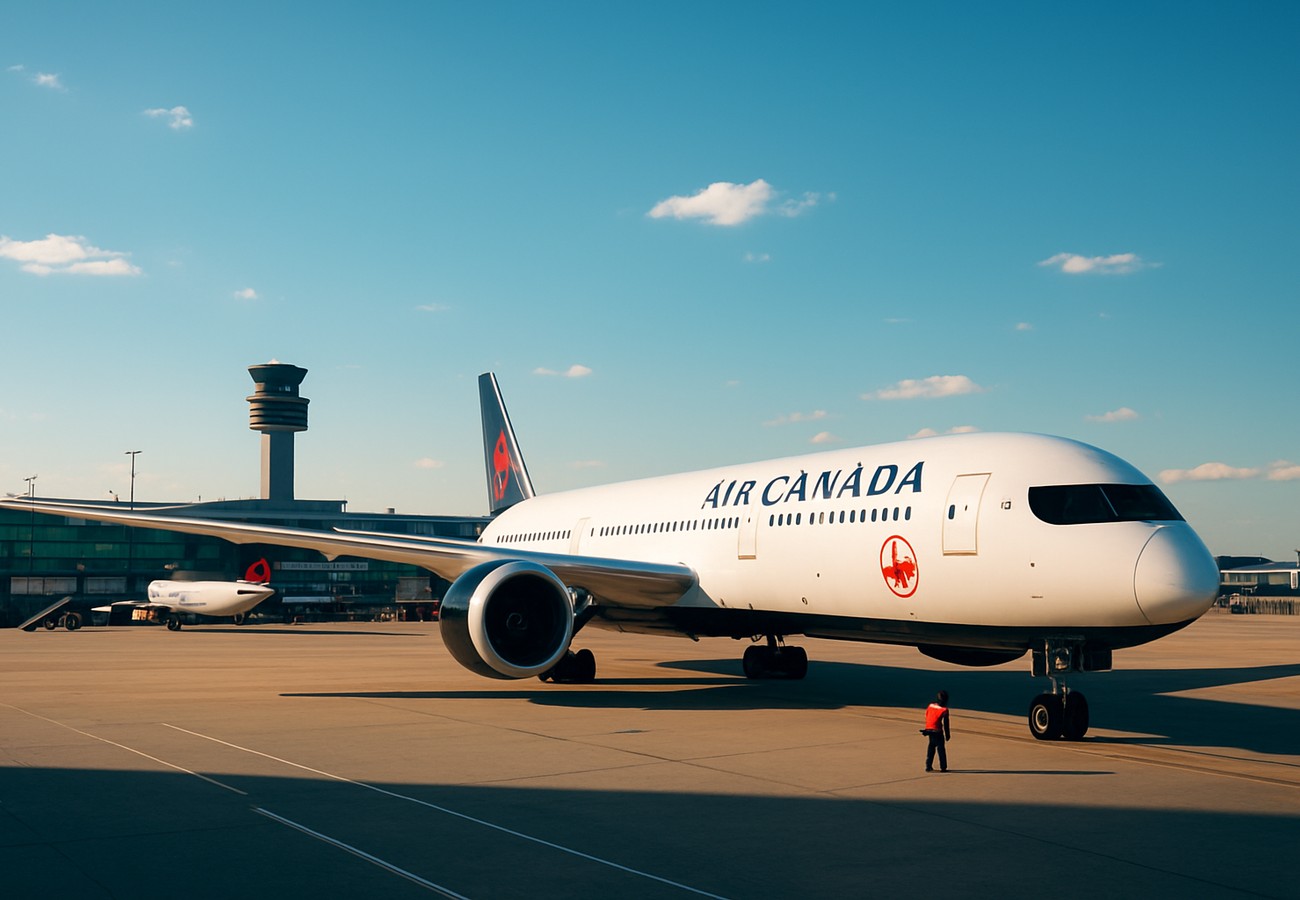
Image generated by AI
The moment the wind speed crossed 90 km/h across Alberta on May 30, 2026, Canada's aviation network essentially collapsed.
Air Canada reported 105 operational disruptions — comprising 71 delays and 34 cancellations — that rippled across three major Canadian airports simultaneously. What started as a localized weather event transformed into a cascading travel nightmare affecting thousands of passengers with connections spanning from New York and London to Vancouver and Montreal.
I watched the disruptions unfold across real-time flight tracking systems: families refreshing mobile apps in departure lounges, business travelers frantically rebooking through airline apps, and international passengers watching their tight connections evaporate on information screens. This wasn't just airport chaos—it was network-wide operational failure.
The Perfect Storm: 90-100 km/h Winds Paralyze Western Canada
Severe weather moved through Alberta with brutal efficiency. Wind gusts reached 90–100 km/h in some areas, creating immediate operational constraints for aircraft departures, arrivals, and ground services. Airlines and airport authorities had minutes to make decisions that would affect thousands of travelers.
The challenge wasn't theoretical. Strong crosswinds exceed maximum operating limits for many aircraft types, forcing cancellations rather than risky departure attempts. De-icing operations slowed. Aircraft positioning became impossible. What followed was the textbook cascade effect: one disruption triggers another, which triggers another.
Edmonton International Airport: Ground Zero
Edmonton International Airport bore the brunt of the storm. The facility experienced an unusually high volume of cancellations and delays as weather intensified throughout the afternoon. Aircraft positioning issues created immediate scheduling complications that extended far beyond Alberta's borders.
Reddit: "I was stuck in Edmonton for 8 hours. They canceled three flights, reboked me twice, and by the time I finally left, my luggage was in Vancouver." — r/travel
The airport's role as a major hub for Air Canada meant that every delay cascaded downstream to Toronto, Calgary, and across the national network. One delayed aircraft in Edmonton meant connecting passengers missed their flights in Toronto.
Toronto Pearson Buckles Under Pressure
As Canada's busiest aviation hub, Toronto Pearson International Airport translated western delays into scheduling complications for both incoming and outgoing flights. Domestic services experienced delays as airlines attempted crew repositioning. International routes to Europe, the United States, and vacation destinations faced aircraft rotation issues that compounded throughout the day.
The airport's interconnected nature meant it couldn't isolate itself from Edmonton's problems. Every delayed aircraft arriving from western Canada created a domino effect for outbound flights.
Calgary Airport Joins the Disruption
Calgary International Airport faced similar operational pressure as Edmonton, with weather conditions intensifying cancellations and forcing rapid schedule adjustments. The concentration of disruptions across three major Alberta and Ontario facilities simultaneously created unprecedented strain on Air Canada's ability to manage passenger flow.
International Routes Hit Hard
Several international routes experienced significant operational disruptions. New York, London, Vancouver, and Montreal connections all faced delays due to aircraft rotation issues and weather constraints. Outbound travelers and arriving international passengers both encountered substantial delays as the airline attempted to manage crew positioning while maintaining passenger connectivity.
Under Canada's Air Passenger Protection Regulations, carriers must provide assistance and alternative travel arrangements when applicable. However, compensation requirements differ significantly depending on whether disruptions fall within or outside airline control.
Weather-related disruptions generally fall outside carrier control classifications — meaning Air Canada had no legal obligation to provide monetary compensation, though assistance measures became mandatory.
What Air Canada Actually Owes You
Air Canada advised affected passengers that they're eligible for rebooking options and operational support. Travelers experiencing extended delays may receive meal vouchers, accommodation support, and transportation services depending on the circumstances and duration of the disruption.
The airline emphasized that passengers maintain updated contact information to receive timely notifications regarding schedule changes. Digital platform updates continued throughout the disruption period.
The distinction matters legally: weather-caused disruptions don't trigger the same compensation requirements as mechanical failures or crew scheduling failures, though carriers must still provide reasonable care and alternative arrangements.
Recovery Operations Extend Beyond Weather Clearing
Airport authorities and airline operations teams worked throughout the disruption period to restore normal schedules as weather conditions gradually improved. However, recovery doesn't happen instantly when wind dies down.
Aircraft and crew schedules remain interconnected across multiple destinations. A crew member delayed in Edmonton doesn't become available for a Toronto flight until they've completed their disrupted assignment. An aircraft sitting in Calgary can't serve its intended Vancouver flight until it returns to service.
Industry observers note that large-scale weather events often continue affecting flight schedules even after local conditions improve — sometimes for an additional 24–48 hours as the system rebalances.
The Vulnerability of Modern Airline Networks
Modern airline operations rely on tightly coordinated schedules with minimal buffer time. Disruptions at one major airport quickly spread across multiple regions. Experts suggest that increasing weather variability continues to challenge carriers, airports, and air traffic management systems worldwide.
The incident highlighted a critical vulnerability: Air Canada's network depends on precise execution across multiple airports simultaneously. One major weather event breaks that precision, and recovery requires systematic rebuild.
Passengers Still Wait for Normalcy
For many travelers, the disruption meant far more than delayed departure times. Missed family gatherings. Postponed vacations. Rescheduled business commitments. Hours spent navigating uncertainty in airport terminals.
Passengers planning travel through Toronto, Edmonton, Calgary, and other Canadian airports are now being encouraged to verify flight status before heading to the airport. The incident serves as another reminder that weather conditions can reshape travel plans across an interconnected aviation network within hours.
As recovery efforts continue, passengers and industry stakeholders alike will be hoping for calmer skies and smoother journeys in the days ahead.
When weather controls the skies, passengers learn that no airline schedule is truly guaranteed.
Related Travel Guides
Travel easyJet Launches Amsterdam-Thessaloniki Route in 2026
Five Game-Changing Commercial Jet Aircraft That Transformed Global Aviation
Disclaimer
This article is for informational and educational purposes only. It does not constitute legal, financial, or professional advice. While we strive to provide accurate and up-to-date information, travel policies, regulations, and conditions change rapidly. Always verify information with official sources before making travel decisions. Nomad Lawyer makes no representations about the accuracy, reliability, completeness, or suitability of the information provided. Readers should consult qualified professionals for advice specific to their circumstances. The views expressed in this article are those of the author and do not necessarily reflect the views of Nomad Lawyer.
Preeti Gunjan
Contributor & Community Manager
A passionate traveller and community builder. Preeti helps grow the Nomad Lawyer community, fostering engagement and bringing the reader experience to life.
Learn more about our team →