
Air Busan Launches New Route Connecting Kagoshima and Busan
Air Busan launches a new thrice-weekly flight route connecting Kagoshima and Busan from October 25, 2026. Discover regional travel and culture tips.

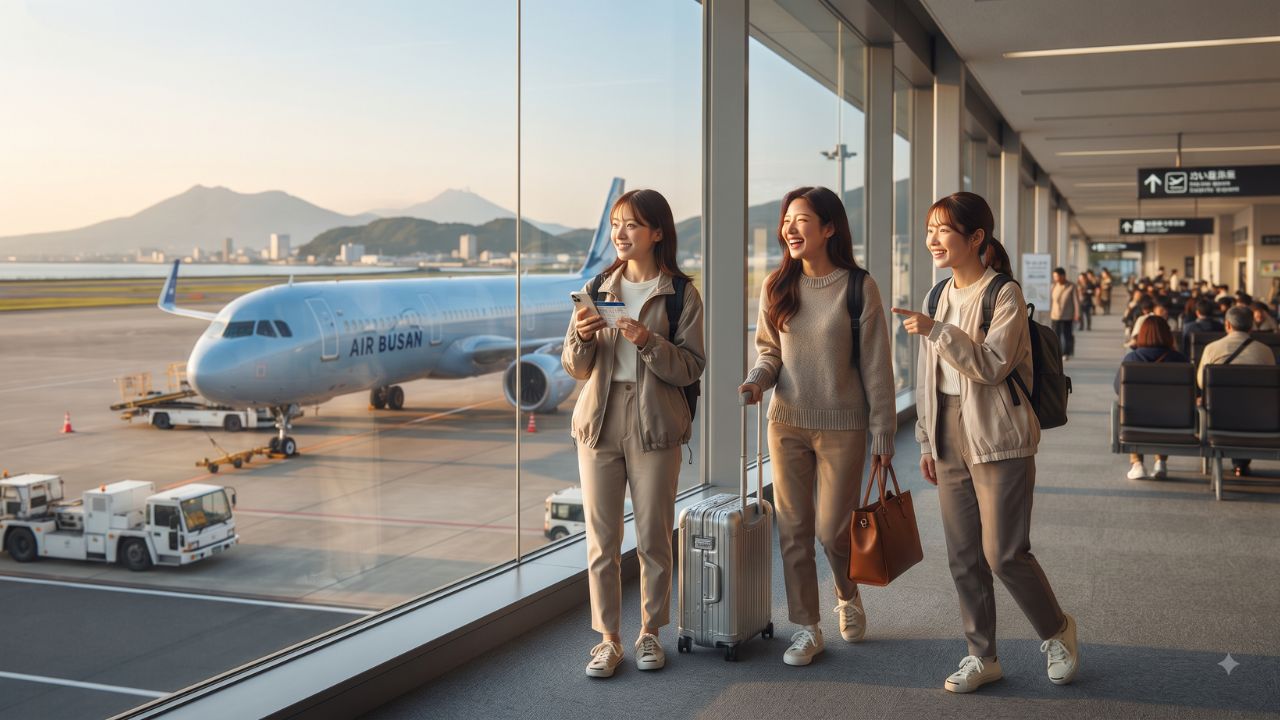
Image generated by AI
Starting October 25, 2026, Air Busan will operate three weekly flights between Kagoshima and Busan, linking southern Japan directly with South Korea's coastal metropolis.
Thrice-Weekly Regional Connections Between Kyushu and Busan
Air Busan is expanding its East Asian network with the introduction of a new international route connecting Kagoshima Airport in southern Japan with Gimhae International Airport in Busan, South Korea. Commencing on October 25, 2026, the service will operate three times a week on Wednesdays, Fridays, and Sundays. The schedule runs through March 26, 2027, using the Airbus A321 aircraft.
Flight times on this route are exceptionally efficient: the flight from Kagoshima to Busan takes 1 hour and 5 minutes, while the return flight from Busan to Kagoshima takes 1 hour and 20 minutes. This direct route offers an alternative to larger, congested aviation hubs, helping travelers plan short-haul weekend getaways between Kyushu and South Korea's second-largest city.
Air Busan Kagoshima-Busan Route Details
| Flight Parameter | Operational Details |
|---|---|
| Launch Date | October 25, 2026 |
| Frequencies | Three times a week (3 round-trips/week) |
| Operating Days | Wednesdays, Fridays, and Sundays |
| Aircraft Model | Airbus A321 |
| Operating Period | Initial service scheduled through March 26, 2027 |
| Flight Time (Westbound) | 1 hour and 5 minutes (Kagoshima to Busan) |
| Flight Time (Eastbound) | 1 hour and 20 minutes (Busan to Kagoshima) |
Supporting Local Economies in Kyushu and South Korea's Coast
For the traveler, the real impact of this new route is the direct connection between two culturally distinct maritime regions. Kagoshima is celebrated for its natural volcanic features, traditional hot springs, and historic gardens, while Busan offers a vibrant urban coastal experience, combining seafood markets and beachfront neighborhoods. By connecting these secondary cities directly, the route encourages visitors to bypass major hubs like Tokyo or Seoul, distributing tourism spending directly to local businesses, regional guesthouses, and independent food markets.
According to the Kagoshima Prefecture Tourism Federation, direct air links are vital for introducing international travelers to regional craft industries and rural hot spring villages. Similarly, the Busan Tourism Organization emphasizes that expanding direct flights from regional Japanese hubs supports local seafood sellers, boutique hotels, and community-guided tours along South Korea's southern coast.
Local Insider Tips for Traveling Between Kagoshima and Busan
To make the most of your journey through the regions of Kyushu and southeastern South Korea, keep these practical visitor tips in mind:
- Identify Off-Peak Visit Windows: Visit Kagoshima during the autumn months of October and November to enjoy hot springs in cooler weather. For Busan, target late spring (May to June) or early autumn (September) to explore the coastal trails comfortably before the winter chill or summer humidity arrives.
- Observe Regional Etiquettes: In Kagoshima, when visiting the active Sakurajima Volcano area, check local volcanic ash forecasts and be prepared to protect your eyes. In Busan, at the traditional Jagalchi Fish Market, always ask permission before taking close-up photos of vendors or their live seafood displays.
- Savor Local Dining Specialties: In Kagoshima, sample Kurobuta (black pork) shabu-shabu at local family-owned restaurants. In Busan, enjoy Dwaeji Gukbap (a hearty pork broth soup with rice) at independent diners to support regional culinary businesses directly.
- Explore Under-the-Radar Heritage Sites: Instead of just visiting Haeundae Beach in Busan, walk the coastal cliffs of Taejongdae Resort Park. In Kagoshima, take the scenic ferry to Sakurajima and explore the quiet Nagisa Lava Trail instead of only visiting main city viewpoints.
Long-Term Outlook for Regional Air Transit in East Asia
In the long run, the new route demonstrates the resilience and expansion of low-cost carrier networks across East Asia. The use of narrowbody aircraft like the Airbus A321 to link secondary airports like Kagoshima and Gimhae represents a permanent shift toward decentralized travel patterns, offering travelers greater flexibility and lower costs.
As tourist pressure on capital cities grows, these direct interregional links will play a key role in sustainable destination management. By facilitating direct passenger flows between southern Japan and southwestern South Korea, airlines help establish a more balanced and connected regional travel network that benefits local businesses for decades to come.
Related Travel Guides
Disclaimer
This article is for informational and educational purposes only. It does not constitute legal, financial, or professional advice. While we strive to provide accurate and up-to-date information, travel policies, regulations, and conditions change rapidly. Always verify information with official sources before making travel decisions. Nomad Lawyer makes no representations about the accuracy, reliability, completeness, or suitability of the information provided. Readers should consult qualified professionals for advice specific to their circumstances. The views expressed in this article are those of the author and do not necessarily reflect the views of Nomad Lawyer.
Preeti Gunjan
Contributor & Community Manager
A passionate traveller and community builder. Preeti helps grow the Nomad Lawyer community, fostering engagement and bringing the reader experience to life.
Learn more about our team →