
Accor's Pacific Franchise Boom: 270 Leaders Reshape Hospitality
Accor's 2026 Pacific Franchise Conference in Sydney revealed explosive franchise growth across Australia and New Zealand, with 270 industry leaders debating AI, sustainability, and revenue optimization strategies.

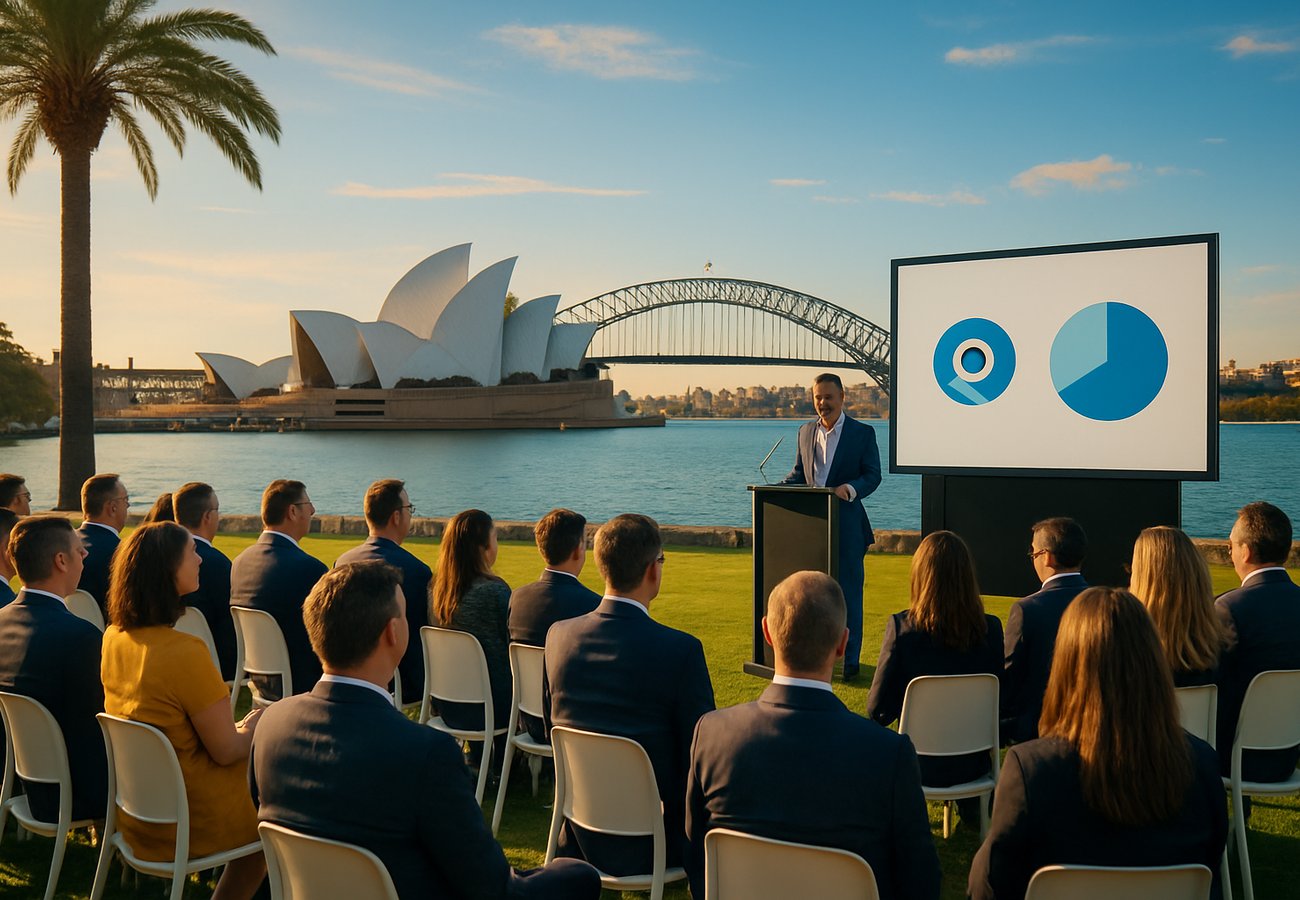
Image generated by AI
Accor just dropped a bombshell at its 2026 Pacific Franchise Conference in Sydney: the hotel giant is crushing its expansion targets, and over 270 franchise partners, hotel owners, and hospitality executives gathered to witness—and capitalize on—the momentum.
What unfolded wasn't just another industry trade show. This was a strategic summit where the future of hotel franchising in the Pacific region was mapped out in real time. The energy? Palpable. The stakes? Massive.
Why Accor's Franchise Model Is Suddenly the Hottest Play in Hospitality
Here's what caught my attention at the conference: franchise partnerships are no longer a secondary growth strategy for Accor—they're now the primary engine driving expansion across Australia and New Zealand.
Accor executives were candid about this shift. They explained that investors and hotel owners increasingly crave internationally recognised brands that deliver both consistent guest experiences and predictable commercial returns. The company's franchise strategy taps directly into this demand by offering something most independent operators can't: a proven playbook backed by global distribution networks and decades of operational expertise.
Reddit: "Franchising with a major brand removes so much uncertainty. You get their systems, their loyalty network, their booking power—game changer for ROI." — r/hotelmanagement
The franchise model essentially democratizes access to Accor's ecosystem. Smaller hotel owners gain access to global reservation systems, brand credibility, and operational consistency without building these capabilities from scratch. For Accor? They expand their footprint with minimal capital expenditure. It's a virtuous cycle.
Executives emphasized that successful franchise growth depends on tight collaboration—owners must align with Accor's standards and systems, but in return, they get local market support combined with global reach. This hybrid approach addresses the core problem plaguing independent hotels: how to compete against mega-brands while staying adaptable to local market conditions.
The Hospitality Trends Reshaping Hotel Economics in 2026
The conference revealed something unmistakable: artificial intelligence, sustainability, and revenue optimization are no longer "nice-to-have" initiatives—they're existential business requirements.
Industry leaders spent considerable time unpacking how AI is transforming hotel operations at a fundamental level. Dynamic pricing algorithms now analyze demand patterns with precision that humans simply cannot match. Revenue managers who once relied on intuition and historical data are now partnering with machine learning systems that adjust rates in real time based on competitor activity, local events, and booking pace.
Sustainability emerged as the second major theme. This wasn't just environmental posturing. Both travelers and investment firms are increasingly factoring carbon footprint and resource efficiency into their hotel selection and funding decisions. Properties that ignore this trend risk losing both bookings and capital.
The third critical trend: personalization through loyalty ecosystems. Accor's loyalty program connects guests across multiple properties and markets, creating data intelligence that allows hotels to deliver hyper-personalized experiences. This isn't about sending generic email promotions—it's about understanding individual guest preferences and pre-emptively tailoring services accordingly.
Procurement efficiency also featured prominently. Hotels were encouraged to leverage Accor's scale advantages when sourcing everything from linens to food suppliers, directly improving margins without sacrificing quality.
How Accor's Brand Portfolio Drives Owner Revenue—The Numbers Matter
One keynote address pulled back the curtain on brand economics. Executives demonstrated how established hotel brands create demand before guests even begin searching.
A traveler planning a business trip to Sydney doesn't need Accor's help discovering hotels—they're already familiar with Novotel, Mercure, and ibis. Brand recognition reduces customer acquisition costs substantially. This translates to higher occupancy rates and stronger average daily rates (ADR) for franchise partners.
The Accor loyalty ecosystem was highlighted as a revenue multiplier. By connecting guests across properties and markets, repeat bookings increase predictably. Franchise owners gain access to a customer base that has already demonstrated loyalty to Accor brands—a massive competitive advantage against independents relying on walk-in traffic and generic online travel agencies.
According to recent hotel industry research, franchise hotels with strong brand backing achieve 8-12% higher occupancy rates compared to independent properties in the same competitive set. This data underpinned every conversation about franchise ROI at the conference.
The Winners: Who Dominated the Conference Awards Ceremony
The gala closing ceremony celebrated franchise excellence across multiple dimensions—and the winners reveal what Accor values most.
Novotel New Plymouth Taranaki emerged as the evening's standout performer, securing both Hotel of the Year and Iconic Brand Delivery honors. This recognition signals that Accor rewards properties excelling at brand consistency while still delivering distinctive local character.
Mercure Sydney claimed the Art of Hospitality Award, emphasizing personalized guest experiences. Mercure Townsville earned Leading Loyalty recognition—a nod to properties that drive repeat bookings through engagement.
ibis Brisbane Airport won the Art of Service – Dining award, highlighting that Accor values operational excellence across every guest touchpoint, even in budget segments.
Sustainability winners—Novotel New Plymouth Taranaki and Novotel Christchurch Airport—underscored that environmental responsibility is now woven into Accor's brand DNA and franchise expectations.
What This Means for Hotel Investors and Operators in 2026
Strip away the conference jargon, and here's what actually matters: Accor's franchise network is positioned as the safest bet for hotel owners seeking reliable long-term returns in a market becoming increasingly complex.
The combination of brand strength, technological integration, loyalty infrastructure, and operational support creates a moat that independent hotels simply cannot replicate. For franchise partners, this translates to more predictable revenue, better asset valuations, and reduced business risk.
For Accor, the strategy is equally clear: scale without capital expenditure by deepening franchise partnerships and enhancing the operational support that makes these partnerships valuable.
The conference demonstrated that the future of Pacific hospitality belongs to properties that embrace collaboration, leverage technology intelligently, and commit to sustainability—exactly the formula Accor is betting on.
The hotel franchise game just shifted. Accor's Pacific dominance isn't coming—it's already here.
Related Travel Guides
Delhi govt slashes aviation fuel VAT to 7%, cutting airfare costs
Coral Princess Cruise Singapore Vietnam: 56-Night Epic Journey 2026
Disclaimer
This article is for informational and educational purposes only. It does not constitute legal, financial, or professional advice. While we strive to provide accurate and up-to-date information, travel policies, regulations, and conditions change rapidly. Always verify information with official sources before making travel decisions. Nomad Lawyer makes no representations about the accuracy, reliability, completeness, or suitability of the information provided. Readers should consult qualified professionals for advice specific to their circumstances. The views expressed in this article are those of the author and do not necessarily reflect the views of Nomad Lawyer.
Raushan Kumar
Founder & Lead Developer
Full-stack developer with 11+ years of experience and a passionate traveller. Raushan built Nomad Lawyer from the ground up with a vision to create the best travel and law experience on the web.
Learn more about our team →