
Abyssal-Alpine Circuit Travel Guide 2026: Moss Landing, Torrey, and Eco-Corridors
North America's Abyssal-Alpine Circuit connects Monterey Bay's deep submarine canyon with Utah's dark-sky plateaus and Appalachian rainforests via low-carbon transit corridors.

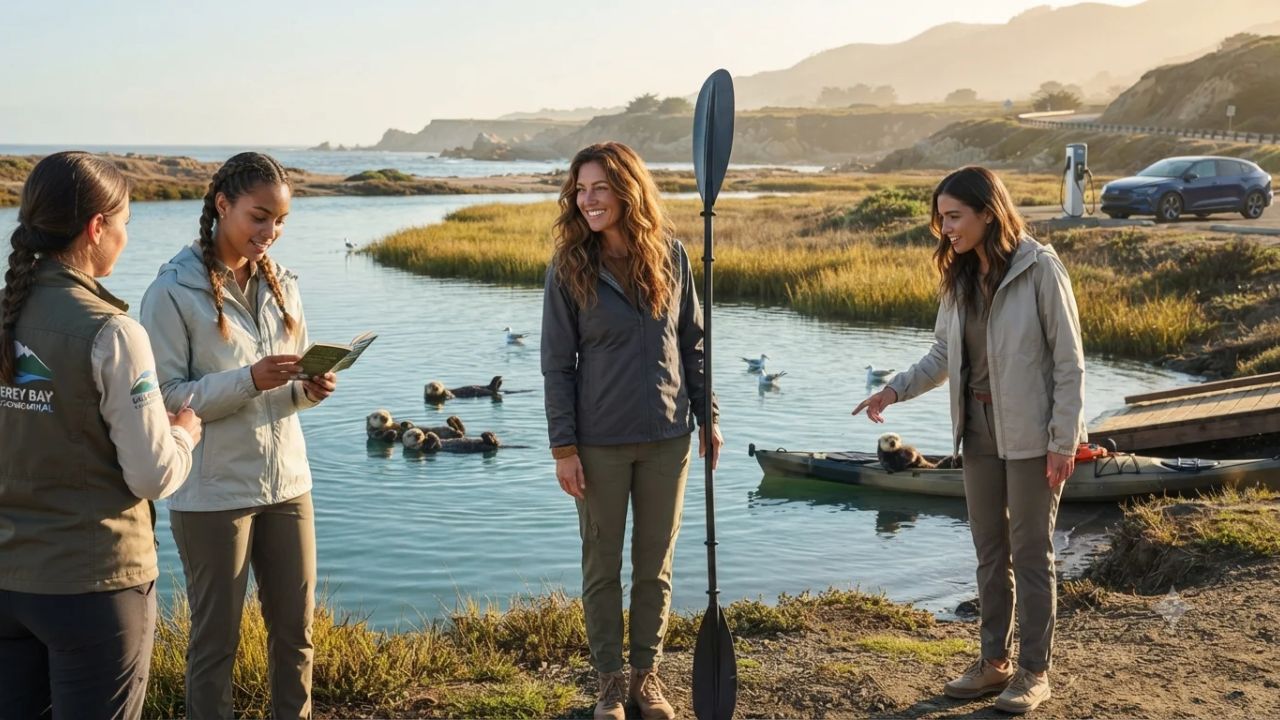
Resting at the head of a submerged ocean chasm that plunges over two miles deep into the Pacific floor, the coastal village of Moss Landing anchors a revolutionary travel model that pairs morning sea otter kayaking with midnight stargazing in high-desert dark-sky preserves. Termed the Abyssal-Alpine Circuit, this multi-ecosystem travel model links marine sanctuaries, barrier islands, and temperate mountain rainforests through regional electric vehicle networks and scenic railways. By transitioning travelers away from single-stop weekend trips and extending average rural stays from 3.2 days to between 7 and 10 days, this conservation-led framework distributes visitor spending directly into gateway communities while safeguarding fragile coastal and nocturnal habitats.
The Architecture of Bi-Coastal Eco-Corridors
The Abyssal-Alpine travel paradigm removes traditional boundaries separating marine tourism from alpine exploration. Historically, travelers booked isolated weekend getaways exclusively on coastal beaches or within mountain parks. The circuit establishes unified, low-carbon transit loops that exploit the natural microclimates between ocean shorelines and inland rain shadows.
At the Pacific anchor, Monterey Bay National Marine Sanctuary—designated in 1992 across 276 miles of shoreline and 6,094 square statute miles of ocean from Marin to Cambria—generates nutrient-rich upwelling that feeds southern sea otters, humpback whales, and harbor seals in Elkhorn Slough. Under the watchful eye of Team OCEAN volunteer naturalists who have patrolled the waters since 2000, paddlers maintain responsible wildlife distances.
Within a forty-minute drive inland along mountain passes, heavy coastal fog gives way to the dry, clear skies of the Santa Lucia foothills and Carmel Valley, allowing travelers to transition from marine biology field observations to high-altitude astrophotography on the same day.
From Submarine Trenches to High-Desert Dark Skies
The interior arm of the circuit shifts to the elevated sandstone plateaus of southern Utah. Situated at an elevation of 6,800 feet, the gateway town of Torrey achieved certification as Utah’s first International Dark Sky Community in 2018 through DarkSky International. With Wayne County averaging roughly one resident per square mile and municipal ordinances enforcing fully shielded, warm-spectrum streetlights, nocturnal darkness matches adjacent Capitol Reef National Park.
Traveling south along Scenic Byway 12, the route enters Escalante and Grand Staircase-Escalante National Monument. Here, high-speed DC fast-charging corridors enable electric vehicle drivers to cross remote desert stretches between slot canyons, Fremont Indian petroglyph sites, and desert bighorn sheep habitats without fossil-fuel emissions.
On the Atlantic seaboard, St. Marys, Georgia serves as the ferry gateway to Cumberland Island National Seashore, where the National Park Service enforces daily ferry passenger caps to protect 18 miles of undeveloped beaches, 9,800 acres of wilderness, feral horse herds, and nesting loggerhead sea turtles. Further inland, the corridor climbs past 729-foot Amicalola Falls to Sapphire, North Carolina, where high-elevation Blue Ridge rainforests receiving over 80 inches of annual precipitation harbor black bears and ancient hardwoods under pristine night skies.
Abyssal-Alpine Gateway Hubs and Ecological Highlights
| Gateway Hub & Region | Primary Geographic Feature | Signature Wildlife & Ecosystem | Primary Low-Carbon Transit Corridor |
|---|---|---|---|
| Moss Landing, California | Monterey Submarine Canyon & Elkhorn Slough | Southern sea otters, kelp forests, humpback whales | Highway 1 & regional EV loops |
| Carmel Valley, California | Santa Lucia Mountain Foothills | Elevated chaparral, dark-sky microclimates | Carmel Valley Road mountain passes |
| Torrey, Utah | Capitol Reef High-Desert Plateau (6,800 ft) | International Dark Sky Community stargazing | Scenic Byway SR-24 EV charging loop |
| Escalante, Utah | Grand Staircase Sandstone Canyons | Desert bighorn sheep, Fremont rock art | Scenic Byway SR-12 DC fast-charging corridor |
| St. Marys, Georgia | Cumberland Island National Seashore | Feral horses, maritime oak forests, loggerhead turtles | St. Marys passenger ferry (Strict daily caps) |
| Oriental, North Carolina | Pamlico Sound Estuary | Bottlenose dolphins, red drum, estuarine nurseries | Neuse River low-wake boating channels |
| Amicalola, Georgia | Southern Appalachian Foothills | 729-foot waterfall, mountain forest trails | Appalachian Trail approach corridors |
| Sapphire, North Carolina | High Blue Ridge Plateau & Pisgah Forest | Temperate rainforest (>80 in rain), black bears | Blue Ridge Scenic Railway connectors |
Visitor Insider Tips for Navigating the Circuit
Maximizing the Abyssal-Alpine Circuit requires strategic planning across distinct tidal and atmospheric windows.
- Tidal Timing in Elkhorn Slough: Schedule morning kayak launches in Moss Landing during incoming high tides. Rising ocean waters lift dense kelp beds and bring active sea otter rafts close to marsh channels, ensuring effortless paddling without disturbing shallow mudflats.
- EV Route Planning along Scenic Byway 12: When driving electric vehicles through remote southern Utah between Torrey and Boulder, utilize public DC fast-charging stations installed at regional visitor centers and state park gates before traversing high-elevation passes like Boulder Mountain.
- Securing Cumberland Island Ferry Passes: The National Park Service strictly limits daily passenger access to Cumberland Island to preserve wilderness solitude. Book round-trip ferry tickets from St. Marys at least eight to twelve weeks in advance for spring and autumn excursions.
- Dark-Sky Stargazing Etiquette in Torrey: When setting up telescopes or astrophotography gear around Capitol Reef or Torrey, use red-filtered headlamps only. White flashlights destroy night-adjusted vision for nearby observers and violate municipal lighting guidelines.
Cultural and Environmental Context: Community Governance and Ecological Resilience
The strength of the Abyssal-Alpine model lies in its grassroots governance. Rather than relying on corporate travel aggregators, circuit operators contract directly with local stakeholders: volunteer naturalists with Team OCEAN in California, indigenous interpretive guides in Utah sharing Fremont heritage, and municipal dark-sky advocates retrofitting streetlights in rural towns.
By distributing visitor footfall across extended 7-to-10-day journeys, tourism dollars circulate through locally owned lodges, independent outfitters, and family cafes. Concurrently, strict federal and municipal regulations—such as benthic seabed protections by NOAA, daily barrier island visitor quotas, and municipal outdoor lighting codes—ensure that high-value tourism directly supports habitat preservation and carbon reduction.
FAQ: Visiting the Abyssal-Alpine Circuit 2026
What is the Abyssal-Alpine Circuit?
It is a sustainable travel model connecting coastal marine sanctuaries with inland mountain forests and dark-sky reserves via electric vehicle corridors and scenic railways.
How does the circuit help rural gateway communities?
By linking diverse ecosystems into extended 7-to-10-day itineraries, the circuit increases per-visitor spending across small towns like Moss Landing, Torrey, and St. Marys.
What wildlife can I see in Monterey Bay and Elkhorn Slough?
Visitors regularly encounter southern sea otters, harbor seals, California sea lions, migrating humpback whales, and diverse coastal seabird populations.
When is the best time for dark-sky stargazing in Utah?
The dry, clear nights from April through October offer the most stable atmospheric conditions and excellent visibility of the Milky Way core around Torrey and Capitol Reef.
Watching sea otters dive through amber kelp canopies at dawn before standing beneath the glittering cosmic arch of the Milky Way at midnight proves that true travel luxury lies in ecological harmony.
Related Travel Guides
Disclaimer
This article is for informational and educational purposes only. It does not constitute legal, financial, or professional advice. While we strive to provide accurate and up-to-date information, travel policies, regulations, and conditions change rapidly. Always verify information with official sources before making travel decisions. Nomad Lawyer makes no representations about the accuracy, reliability, completeness, or suitability of the information provided. Readers should consult qualified professionals for advice specific to their circumstances. The views expressed in this article are those of the author and do not necessarily reflect the views of Nomad Lawyer.
Naina Thakur
Contributor & Travel Specialist
Travel enthusiast and legal writer covering visa regulations, responsible tourism, and cultural journeys across global destinations.
Learn more about our team →