
72.2 Million Americans Face Record July 4th Travel Chaos: Why Thursday is the Busiest Airport Day Ever
AAA forecasts 72.2 million travelers during peak Independence Day rush. Thursday becomes deadliest airport bottleneck as weather delays compound chaos across US aviation network.

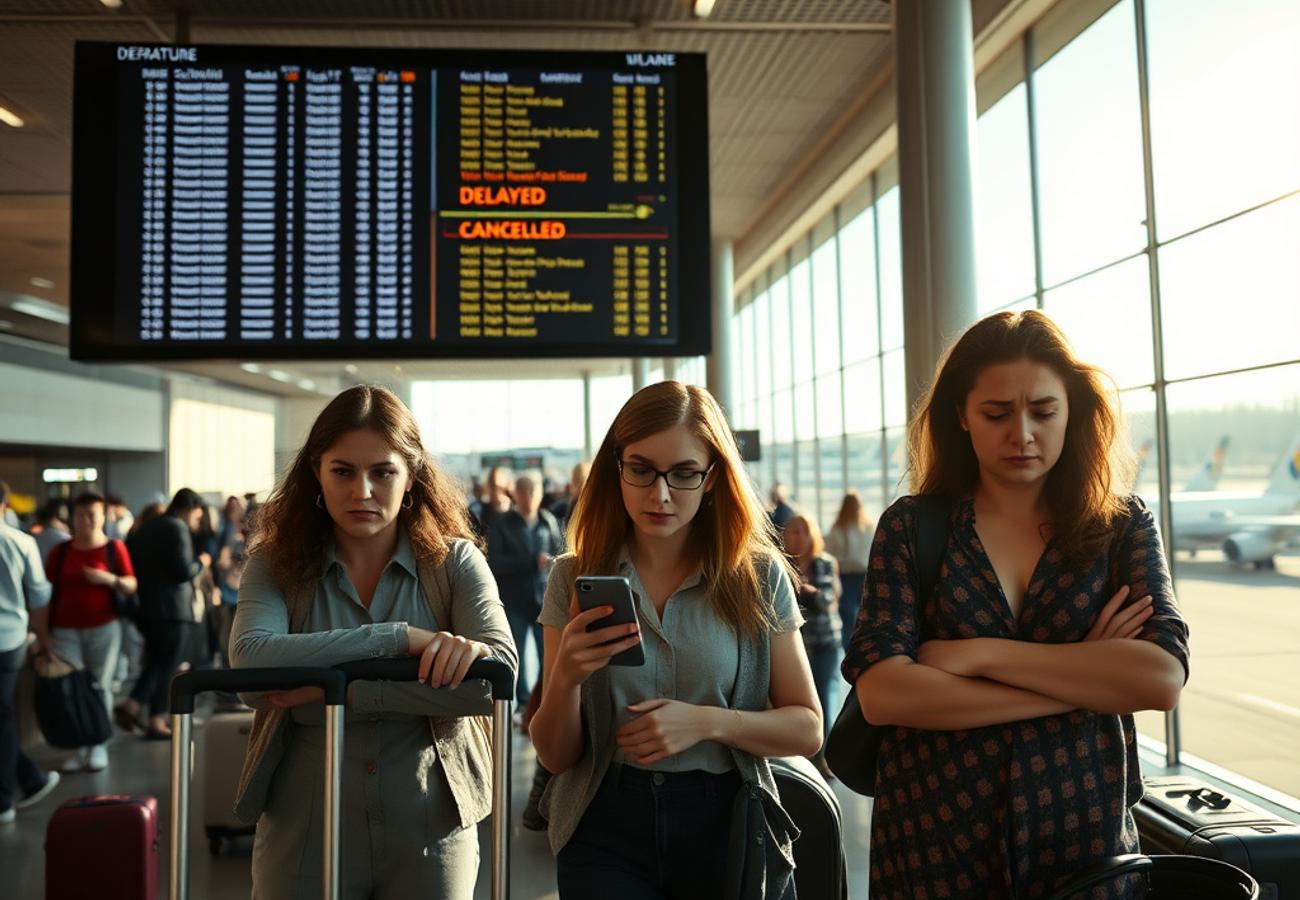
Image generated by AI
The Perfect Storm: 72.2 Million Travelers Collide With Record Airport Congestion
AAA just released data that should make every American traveler nervous. Between June 27 and July 5, a staggering 72.2 million people will venture at least 50 miles from home—shattering all previous Independence Day travel records. What makes this year different? A mathematical convergence of factors is creating the worst airport bottleneck in modern aviation history.
Thursday. That single day has been identified as the absolute apex of chaos. The mechanics are simple but brutal: families are maximizing their time off by extending the federal holiday into a full weekend, and virtually all of them are attempting to depart simultaneously.
Why Thursday Becomes the Breaking Point
The airline scheduling system wasn't designed for this volume. When millions of passengers flood security checkpoints at the same moment, minor delays cascade into catastrophic failures. A 10-minute holdup at the gate? That becomes a 90-minute backup rippling across the entire terminal.
Philadelphia International Airport (PHL) serves as the perfect case study. The northeastern hub is experiencing unprecedented passenger compression, with flights running at near-maximum capacity on nearly every domestic route. Airport management has issued explicit warnings: clearing security on Thursday afternoon is a high-risk gamble that will likely fail.
Reddit: "Skipping the airport for July 4th entirely. Last year I waited 4 hours just to get through TSA. Never again." — r/travel
The Economic Calculus Reshaping Travel Behavior
Families aren't just dealing with congestion—they're battling inflation. According to updated AAA metrics, the average round-trip domestic airline ticket now costs a substantial $830 per seat during peak travel windows. This represents a painful increase that's forcing strategic decisions across household budgets.
The response has been behavioral. Rather than abandoning travel entirely, families are making calculated trade-offs. Premium dining gets cut. Luxury souvenirs disappear from purchase lists. The priority becomes affording baseline transportation and lodging.
Crucially, 61.4 million motorists are choosing road trips over flying—a deliberate economic shift toward transportation methods with locked-in costs. Why? Cruise packages and driving trips offer final price certainty. Airlines and hotels? They offer surprises.
The Maritime Boom Reshaping Transportation Networks
Something unexpected is happening across America's transportation landscape. While traditional aviation and automotive sectors show modest 0.2 percent year-on-year growth, alternative transit is exploding. An astounding 4.93 million Americans are projected to use buses, trains, and luxury cruise ships during this holiday window—a powerful 5.3 percent surge compared to previous records.
Coastal port cities like Seattle, Miami, and Anchorage are now overflowing with cruise passengers. This creates an entirely different set of infrastructure challenges. Municipal bus lines, regional rail operators, and port authorities must coordinate seamlessly to prevent gridlock on local highways feeding terminal docks.
To examine how maritime tourism is reshaping global travel infrastructure, compliance officers and route coordinators are closely monitoring operational impacts across major ports.
Weather Delays: The Lingering Ghost in the Machine
Here's what most travelers don't realize: the damage from this week's severe weather hasn't stopped spreading. A violent wave of thunderstorms and heatwaves tore through the critical Northeast aviation corridor earlier in the week, triggering hundreds of cancellations and cascading delays.
Philadelphia International spent days recovering from complete operational collapse. Aircraft sat out of position. Flight crews were exhausted. The airport worked feverishly to restore schedules—but the peak holiday rush arrived before full recovery.
This creates a dangerous vulnerability. When severe weather grounds an aircraft, it takes complex logistical coordination to reroute passengers onto alternative flights during a sold-out weekend. There's zero margin for error. To monitor real-time flight status updates and verify changing entry requirements, travelers should obsessively check their airline's mobile application before leaving home.
The Highway Gridlock Window: When NOT to Drive
If you're taking the road instead, the data is clear: stay off highways Thursday and Friday afternoons and early evenings.
Transportation analytics firm INRIX has identified 2:00 PM to 7:00 PM as the absolute worst travel window. During these hours, typical travel times across major metropolitan expressways will skyrocket by more than double their normal duration. Local commuters mixing with holiday-bound motorists creates a perfect congestion storm.
The solution? Hit the road before 10:00 AM Thursday or wait until after 6:00 PM. This timing advantage alone can save hours of sitting in gridlock.
AAA is bracing for catastrophic conditions. The organization expects to handle well over 680,000 emergency roadside assistance calls during this stretch. Vehicle breakdowns will be common—which is why thorough pre-trip inspection is non-negotiable. Check tire pressure. Verify battery health. Fill your tank early.
What Airport Staff Are Doing Right Now
Behind the scenes, airport operations teams are implementing emergency protocols. Staff scheduling has been maximized. Security checkpoint personnel are working extended shifts. Airlines are pre-positioning aircraft to handle rebooking demands when inevitable delays occur.
But here's the hard truth: no amount of preparation eliminates the fundamental problem. You cannot move 72.2 million people through existing infrastructure without friction. The system is operating at absolute capacity limits.
The Bottom Line: Plan With Paranoia
Arriving at the airport three hours early isn't paranoia—it's realism. Downloading your airline's app and monitoring weather isn't obsessive—it's practical. Checking traffic apps before departing for the terminal isn't overthinking—it's essential.
This Independence Day travel season represents a historical anomaly: record passenger volumes, lingering weather damage, elevated ticket prices, and behavioral shifts toward alternative transportation all converging simultaneously. The result is the busiest travel week American aviation has ever experienced.
Your decision-making window is closing. Act now.
The skies this week belong to those who plan obsessively and depart early.
Related Travel Guides
Disclaimer
This article is for informational and educational purposes only. It does not constitute legal, financial, or professional advice. While we strive to provide accurate and up-to-date information, travel policies, regulations, and conditions change rapidly. Always verify information with official sources before making travel decisions. Nomad Lawyer makes no representations about the accuracy, reliability, completeness, or suitability of the information provided. Readers should consult qualified professionals for advice specific to their circumstances. The views expressed in this article are those of the author and do not necessarily reflect the views of Nomad Lawyer.
Preeti Gunjan
Contributor & Community Manager
A passionate traveller and community builder. Preeti helps grow the Nomad Lawyer community, fostering engagement and bringing the reader experience to life.
Learn more about our team →