
What Pilots Really Experience in Brand-New Aircraft: Five Critical Observations From the Flight Deck
Breaking airline news and aviation industry updates for 2026.

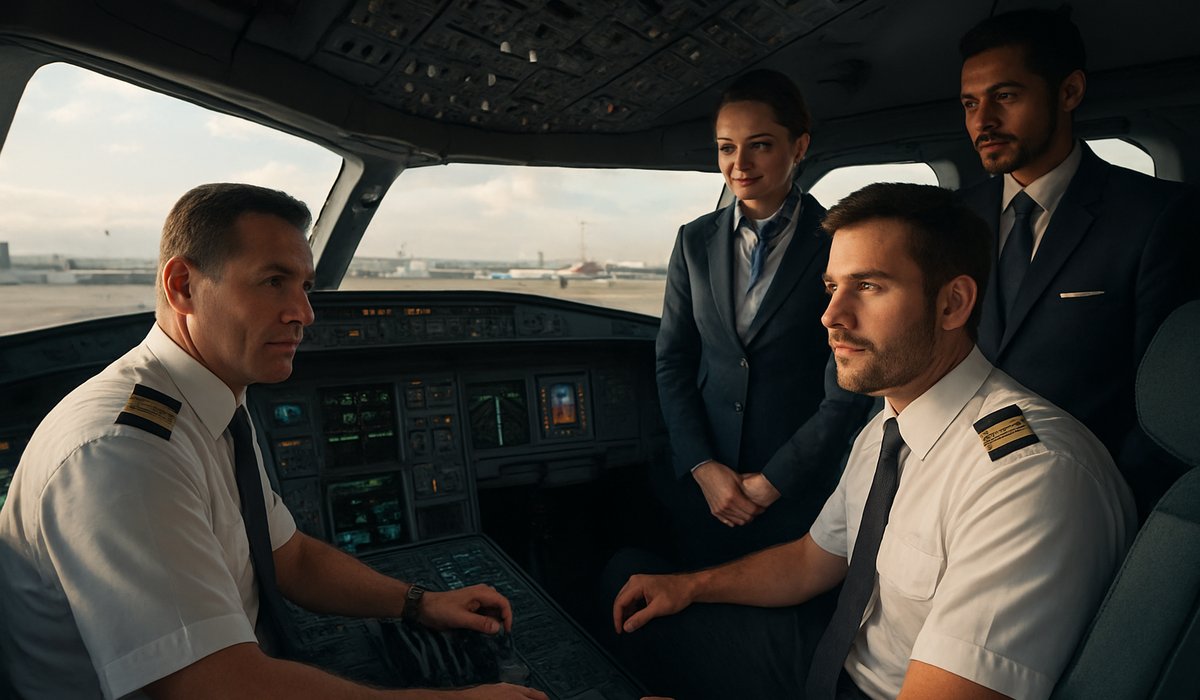
Image generated by AI
What Pilots Really Experience in Brand-New Aircraft: Five Critical Observations From the Flight Deck
Beyond the technical specifications, experienced aviators reveal what truly matters when transitioning to next-generation commercial jets
The Hidden Reality Behind Aircraft Performance Data
While aviation industry analysts and manufacturers tout impressive metrics—fuel efficiency gains, extended range capabilities, and increased payload capacity—these headline figures mask a far more nuanced reality that unfolds when seasoned pilots actually take the controls of a brand-new aircraft for the first time.
Two jets with nearly identical performance specifications can deliver fundamentally different operational experiences depending on subtle but consequential design choices affecting flight-control systems, cockpit ergonomics, engine behavior, and automation frameworks. This distinction carries significant implications for crew training costs, operational efficiency, and ultimately, passenger safety across the global aviation sector.
Flight-Control Architecture Shapes the Entire Experience
The mechanical and electrical systems governing how an aircraft responds to pilot input represent perhaps the most consequential difference between new-generation jets. Modern aircraft employ varying degrees of fly-by-wire technology, from traditional cable-actuated controls to fully digital systems with multiple redundancy layers. Pilots immediately notice these variations during takeoff, cruise, and landing phases, where control responsiveness, feedback sensitivity, and automation intervention thresholds directly influence decision-making and workload management.
Cockpit Design Determines Daily Operational Reality
Ergonomic considerations—instrument layout, display brightness, button placement, and visual sightlines—profoundly affect how efficiently flight crews execute their responsibilities. A poorly positioned instrument or unintuitive menu structure can consume precious seconds during critical phases of flight, compounding fatigue during long-haul operations and potentially compromising safety margins.
Engine Characteristics Require Significant Adjustment
Next-generation powerplants exhibit distinct acceleration curves, thrust response patterns, and fuel-consumption profiles that differ markedly from legacy engines. Pilots must recalibrate their instinctive reactions to throttle inputs and develop new mental models for performance predictions across varying altitude and temperature conditions.
Automation Philosophy Shapes Crew Coordination
Modern aircraft incorporate vastly different automation strategies—some emphasizing autopilot authority with minimal crew intervention, others demanding active pilot engagement throughout flight. These philosophical differences determine workload distribution, require distinct crew resource management approaches, and necessitate customized training protocols.
Industry Implications for Fleet Transitions
As airlines worldwide transition aging fleets to modern aircraft—driven by environmental regulations, fuel-cost pressures, and supply-chain availability—understanding these operational nuances becomes critical for training programs, safety protocols, and crew retention strategies.
FAQ: What Pilots Notice About New Aircraft
Q: How long does it take pilots to adapt to a brand-new aircraft type? A: Comprehensive type-rating training typically requires 40-60 hours of instruction, though operational comfort develops gradually over months of regular flying.
Q: Do modern aircraft feel easier or harder to fly than older models? A: Difficulty isn't necessarily reduced—rather, the nature of challenges shifts from physical control management toward system understanding and automation management.
Q: How do flight-control differences affect safety? A: Varied control architectures require distinct procedural responses; unfamiliar control behavior during emergencies can increase pilot workload at critical moments.
Q: Why don't standardized specifications prevent these experiential differences? A: Manufacturers retain design flexibility within regulatory frameworks, prioritizing different operational philosophies and user priorities.
Q: How do these observations impact airline training budgets? A: Significant operational differences necessitate extended, aircraft-specific training programs, increasing costs for airlines introducing new types to their fleets.
Related Travel Guides
External Resources
Disclaimer
This article is for informational and educational purposes only. It does not constitute legal, financial, or professional advice. While we strive to provide accurate and up-to-date information, travel policies, regulations, and conditions change rapidly. Always verify information with official sources before making travel decisions. Nomad Lawyer makes no representations about the accuracy, reliability, completeness, or suitability of the information provided. Readers should consult qualified professionals for advice specific to their circumstances. The views expressed in this article are those of the author and do not necessarily reflect the views of Nomad Lawyer.
Raushan Kumar
Founder & Lead Developer
Full-stack developer with 11+ years of experience and a passionate traveller. Raushan built Nomad Lawyer from the ground up with a vision to create the best travel and law experience on the web.
Learn more about our team →