
Critical Travel Risks for Americans Abroad 2026: Passport Validity, Medical Gaps and Legal Pitfalls
Analysis of five overlooked travel risks for U.S. citizens, including the six-month passport rule, medical evacuation costs, and international driving legalities for 2026.

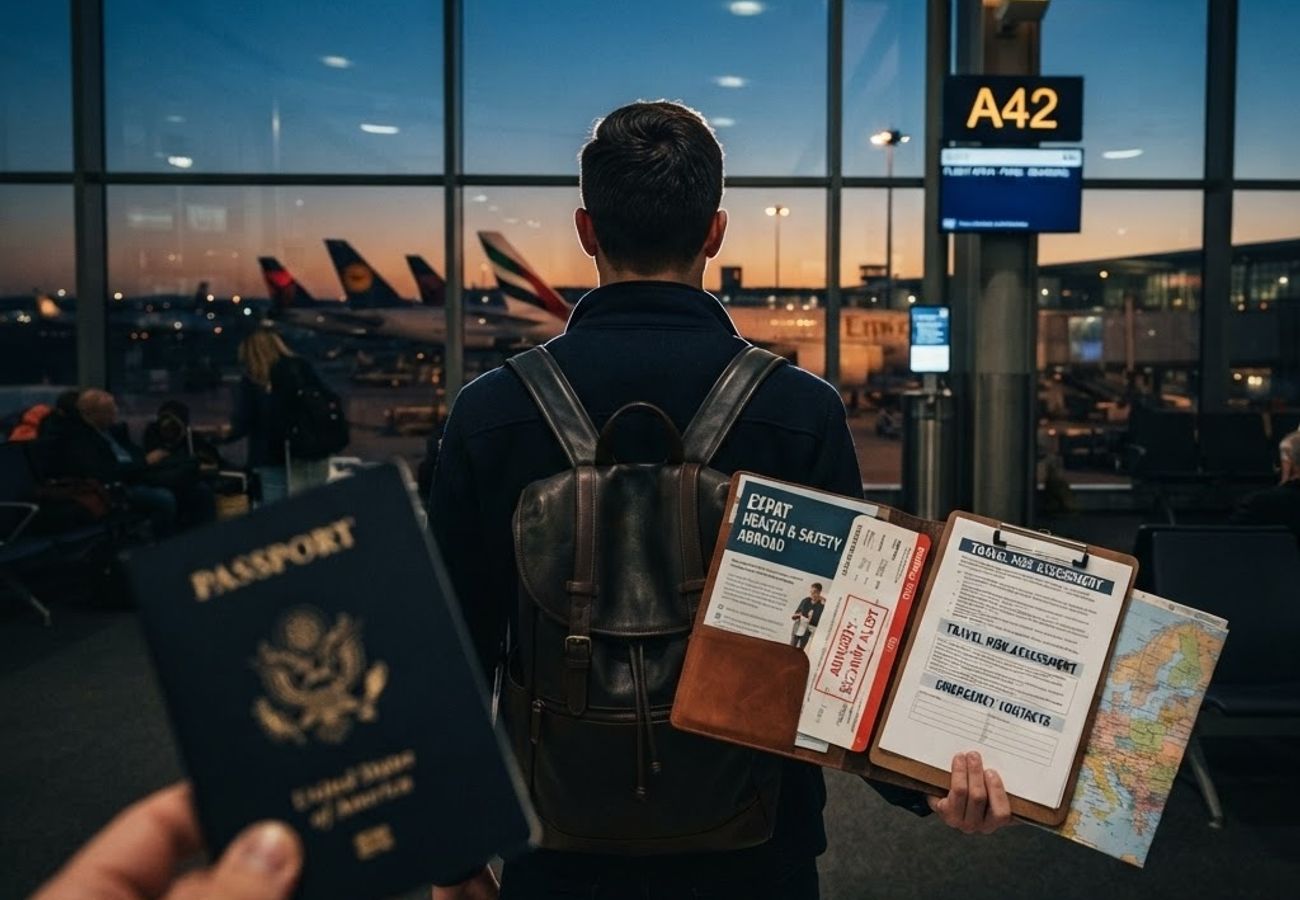
Image generated by AI
U.S. travelers face significant financial and legal exposure due to common oversights in documentation, insurance, and local law compliance. Our analysis indicates that routine habits acceptable within the U.S. frequently lead to boarding denials or massive out-of-pocket expenses abroad.
Critical Documentation and Entry Requirements
A common point of failure for American travelers is the assumption that a valid passport is sufficient for entry. Many jurisdictions enforce a "six-month validity" rule, requiring passports to be valid for at least half a year beyond the date of entry or exit.
Failure to adhere to these specific timelines often results in passengers being denied boarding at the gate or turned away by immigration officials upon arrival. For the affected passenger, this means immediate trip cancellation and the high cost of last-minute flight changes.
Beyond passport dates, official advisories highlight other mandatory requirements:
- Proof of Onward Travel: Evidence of a return or exit flight.
- Financial Sufficiency: Documentation proving the traveler has enough funds for the duration of the stay.
- Electronic Travel Authorizations: Pre-approved digital visas required by several nations.
Medical Coverage and Evacuation Gaps
There is a dangerous misconception that domestic U.S. health insurance provides global coverage. Our analysis of the CDC’s Yellow Book indicates that standard U.S. plans often provide little to no reimbursement for foreign hospitalizations or prescriptions.
The most severe financial risk is the lack of emergency medical evacuation coverage. An air ambulance flight back to the United States following a critical injury can cost tens of thousands of dollars. This specialized transport is typically excluded from standard travel insurance and basic health policies.
Travelers engaging in high-risk activities—such as scuba diving, mountain trekking, or motorbike rentals—should be aware that these are often categorized as "adventure sports" and require specific riders or separate policies to ensure coverage.
International Driving and Legal Liability
Renting vehicles abroad introduces hidden legal exposures. While a U.S. driver’s license is widely used, many countries legally require an International Driving Permit (IDP) to be carried alongside the home license.
Operating a vehicle without an IDP can lead to:
- Legal Violations: Fines or vehicle impoundment if stopped by local police.
- Insurance Nullification: In the event of a crash, the lack of a proper permit may void rental insurance.
- Financial Liability: U.S. auto policies are generally invalid outside the country, leaving the driver personally responsible for third-party damages.
Our analysis of State Department data suggests that unfamiliarity with local traffic culture—including left-side driving and different signage—significantly increases the risk of accidents in rural or night-time settings.
Security Analysis: Petty Crime and Digital Footprints
While violent crime against tourists remains statistically low in many regions, petty theft is highly concentrated in tourist hubs. Law enforcement bulletins for 2026 show that pickpocketing remains a primary risk in major European and Latin American cities, specifically on metro lines and around landmark districts.
Common tactics identified by international tourism bodies include:
- Distraction Techniques: Staged spills or counterfeit petitions.
- Unsolicited Assistance: Offers of help with directions or photos to facilitate theft.
- Organized Teams: Targeting groups in crowded public spaces.
Furthermore, the digital footprint of a traveler now impacts their physical security. Real-time location sharing on social media can alert thieves to high-value targets. Additionally, some governments now monitor online footprints during immigration screening, which can lead to secondary inspections or visa complications.
Legal Restrictions on Photography and Drones
U.S. standards for public photography do not apply globally. Several countries strictly prohibit imaging government buildings, military installations, or border infrastructure.
Reports from Asia and Europe indicate that the use of drones or high-zoom cameras in restricted zones can result in:
- Equipment Confiscation: Immediate seizure of cameras and drones.
- Legal Detention: Questioning and fines by local authorities.
- Security Scrutiny: Increased surveillance of the traveler for the remainder of their trip.
Secure your documents and insurance before departure to avoid costly international disputes.
Related Travel Guides
Disclaimer
This article is for informational and educational purposes only. It does not constitute legal, financial, or professional advice. While we strive to provide accurate and up-to-date information, travel policies, regulations, and conditions change rapidly. Always verify information with official sources before making travel decisions. Nomad Lawyer makes no representations about the accuracy, reliability, completeness, or suitability of the information provided. Readers should consult qualified professionals for advice specific to their circumstances. The views expressed in this article are those of the author and do not necessarily reflect the views of Nomad Lawyer.
Preeti Gunjan
Contributor & Community Manager
A passionate traveller and community builder. Preeti helps grow the Nomad Lawyer community, fostering engagement and bringing the reader experience to life.
Learn more about our team →