
4,421 Flight Delays and 84 Cancellations Cripple US Airports: Chicago, Boston, Miami Hit Hardest on June 6
A massive operational meltdown struck US aviation on June 6, 2026, with 4,421 delays and 84 cancellations affecting Southwest, United, JetBlue, and eight other carriers across major hubs.

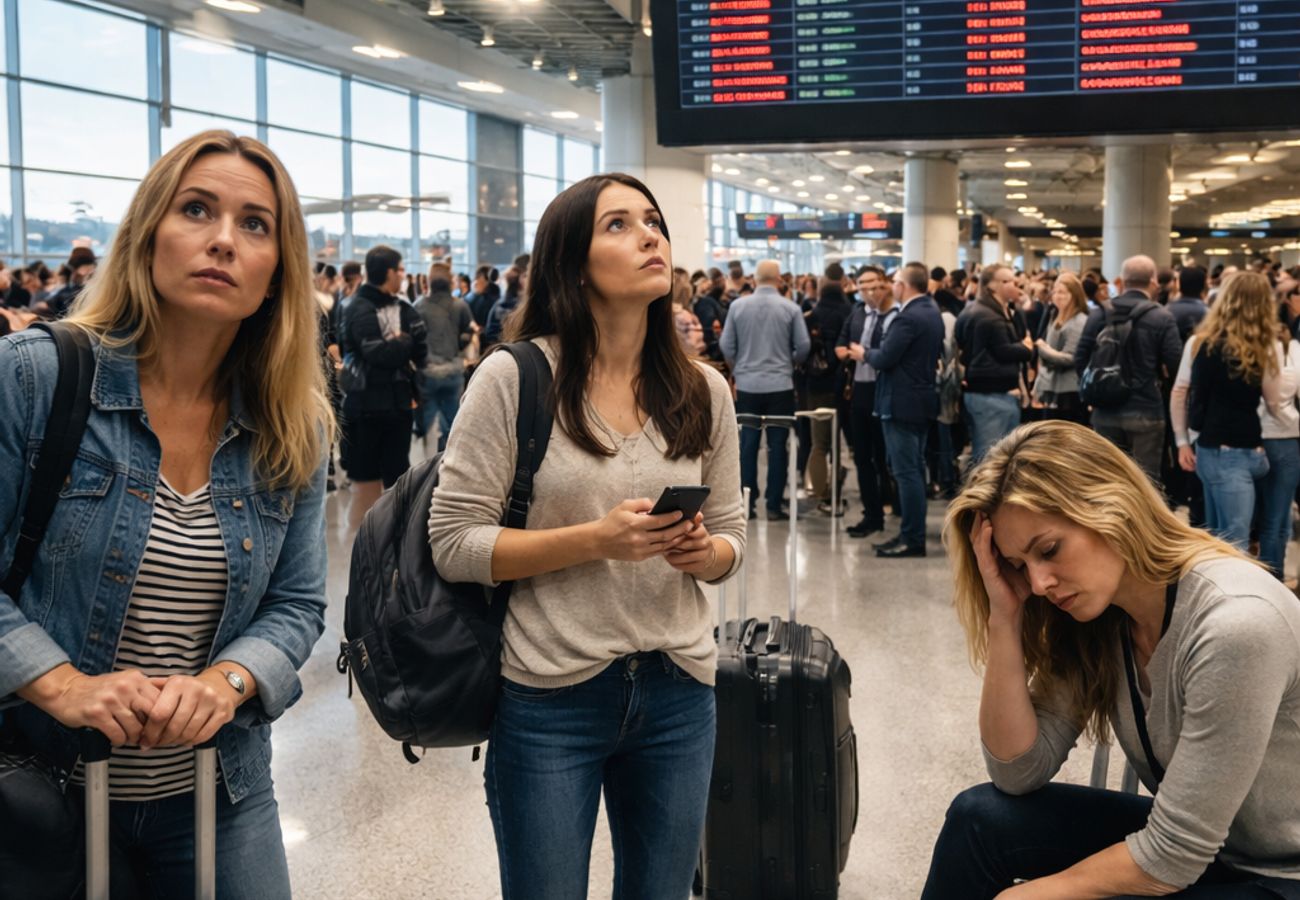
Image generated by AI
The Day Air Travel Ground to a Halt Across America
On June 6, 2026, the United States aviation system experienced a cascading operational failure that left thousands of travelers stranded, frustrated, and scrambling for answers. The numbers tell a grim story: 4,421 delayed flights and 84 cancellations rippled across the nation's busiest airports, from Chicago O'Hare to LaGuardia, Boston Logan to Miami International. This wasn't a weather event or a security incident—it was a perfect storm of network congestion, logistical breakdowns, and airline operational constraints that exposed how fragile modern air travel can be.
Reddit: "I've been sitting at LaGuardia for 6 hours. No communication from the airline. This is absolutely unacceptable." — r/travel
The disruption hit during peak summer travel season, when airports were already operating at maximum capacity. What started as localized delays snowballed into a nationwide crisis, affecting domestic travelers and international passengers connecting through major hubs.
Which Airlines Bore the Brunt of the Chaos
Southwest Airlines led the disaster with 919 delays and 7 cancellations—the single largest delay count of any carrier. United Airlines followed with 565 delays and 20 cancellations, making it the day's most-cancelled airline. The ripple effect extended across regional carriers and low-cost operators: SkyWest, JetBlue, Alaska Airlines, Endeavor Air, Frontier, Mesa, Horizon, and Hawaiian Airlines all reported significant operational impacts.
The concentration of delays among a handful of carriers suggests the root cause wasn't system-wide air traffic congestion, but rather individual airline network failures. Southwest's massive delay numbers, in particular, point to internal operational bottlenecks—possibly crew scheduling issues, aircraft availability, or maintenance delays that cascaded through their route network.
Chicago O'Hare Becomes Ground Zero for Disruption
Chicago O'Hare International Airport (ORD) became the epicenter of chaos, with 807 delays and 9 cancellations—the worst-hit airport in the nation. The hub serves as a critical connection point for United Airlines and a major routing center for international flights to Europe and Latin America. When O'Hare's operations broke down, the impact rippled across connecting flights nationwide.
Los Angeles International (LAX) recorded 174 delays and 5 cancellations, driven by operational congestion and the relentless volume of summer travel. Houston Bush Intercontinental (IAH) reported 175 delays and 2 cancellations, disrupting routes to Mexico and Caribbean destinations. San Francisco (SFO) logged 240 delays, highlighting that West Coast hubs weren't spared from the crisis.
The smaller regional airports told an equally troubling story. Teterboro (TEB) in New Jersey—primarily serving executive aviation—reported 12 cancellations, while Westchester County (HPN) saw 4 cancellations. The fact that even smaller facilities were impacted demonstrates that the operational strain was systemic and widespread.
The Northeast Takes the Hardest Hit
The Northeast Corridor experienced particularly severe disruptions. Boston Logan (BOS) faced 108 delays and 6 cancellations, predominantly affecting regional U.S. travelers and connections to Canada and Europe. LaGuardia (LGA) reported 91 delays and 5 cancellations, crippling the New York metropolitan area's primary short-haul hub. Miami International (MIA) logged 133 delays and 5 cancellations, disrupting Caribbean and Latin American routes critical to Florida's tourism and business travel sectors.
For passengers arriving at these terminals on June 6, the experience was nightmarish: long security lines, crowded gate areas, limited real-time information, and overwhelmed airline customer service desks. Many travelers reported waiting hours for rebooking assistance or clarification about their flights.
What Passengers Should Know Right Now
If you were booked on a flight through any of these affected airports on June 6 or are experiencing similar disruptions, here's what you need to know:
Check Real-Time Status: Use the official FlightAware dashboard or your airline's mobile app for minute-by-minute updates. Never rely on airport information boards alone.
Explore Alternate Routing: If your destination can be reached through an unaffected airport, consider switching flights. Southwest, United, and JetBlue were offering rebooking on unaffected carriers where contractual agreements allowed.
Document Everything: Keep boarding passes, receipts, and communication records. Under Department of Transportation regulations, you may be entitled to compensation or refunds depending on the cause of cancellation.
Contact the Airline Directly: Don't wait in lines at the airport—call your carrier's customer service line immediately. Phone representatives often have more flexibility with rebooking and meal vouchers than gate agents.
Know Your Rights: The DOT's passenger protection rules guarantee compensation for carriers' operational failures, though weather-related delays are typically exempt. Document the reason given for your cancellation.
Why This Matters for Your Summer Travel Plans
This June 6 meltdown serves as a stark reminder that summer air travel in the United States remains fragile. With airlines operating thinner margins on crew scheduling and aircraft maintenance, a single operational hiccup can trigger cascading failures across an entire network. The concentration of delays at Southwest and United suggests these carriers may have faced specific internal challenges—crew exhaustion, aircraft maintenance delays, or gate availability issues—that spread throughout their systems.
For travelers planning summer trips, the lesson is clear: book on airlines with stronger operational resilience, consider flying mid-week instead of weekends, and always build in buffer time between connections. The June 6 disruption wasn't unprecedented, but it was avoidable with better airline operational planning.
When 4,421 flights go sideways, the entire system pays the price—but passengers pay it first.
Related Travel Guides
American Airlines Launches Pilot-Designed Trading Card Series, Joining Industry's Collector Craze
Flight Chaos Sweeps Asia as China Eastern and Lao Airlines Disrupt 416 Regional Services
Travel Germany Airlines 2026: Greece Surges 5.9% with 31M Arrivals
Disclaimer
This article is for informational and educational purposes only. It does not constitute legal, financial, or professional advice. While we strive to provide accurate and up-to-date information, travel policies, regulations, and conditions change rapidly. Always verify information with official sources before making travel decisions. Nomad Lawyer makes no representations about the accuracy, reliability, completeness, or suitability of the information provided. Readers should consult qualified professionals for advice specific to their circumstances. The views expressed in this article are those of the author and do not necessarily reflect the views of Nomad Lawyer.
Kunal K Choudhary
Co-Founder & Contributor
A passionate traveller and tech enthusiast. Kunal contributes to the vision and growth of Nomad Lawyer, bringing fresh perspectives and driving the community forward.
Learn more about our team →