
30th ANATO National Congress 2026: Barranquilla Summit Redefines Human-Centric Travel Standards
The 30th ANATO National Congress in Barranquilla, Colombia, gathers global tourism leaders to pivot from algorithmic booking toward high-value, experiential travel models.

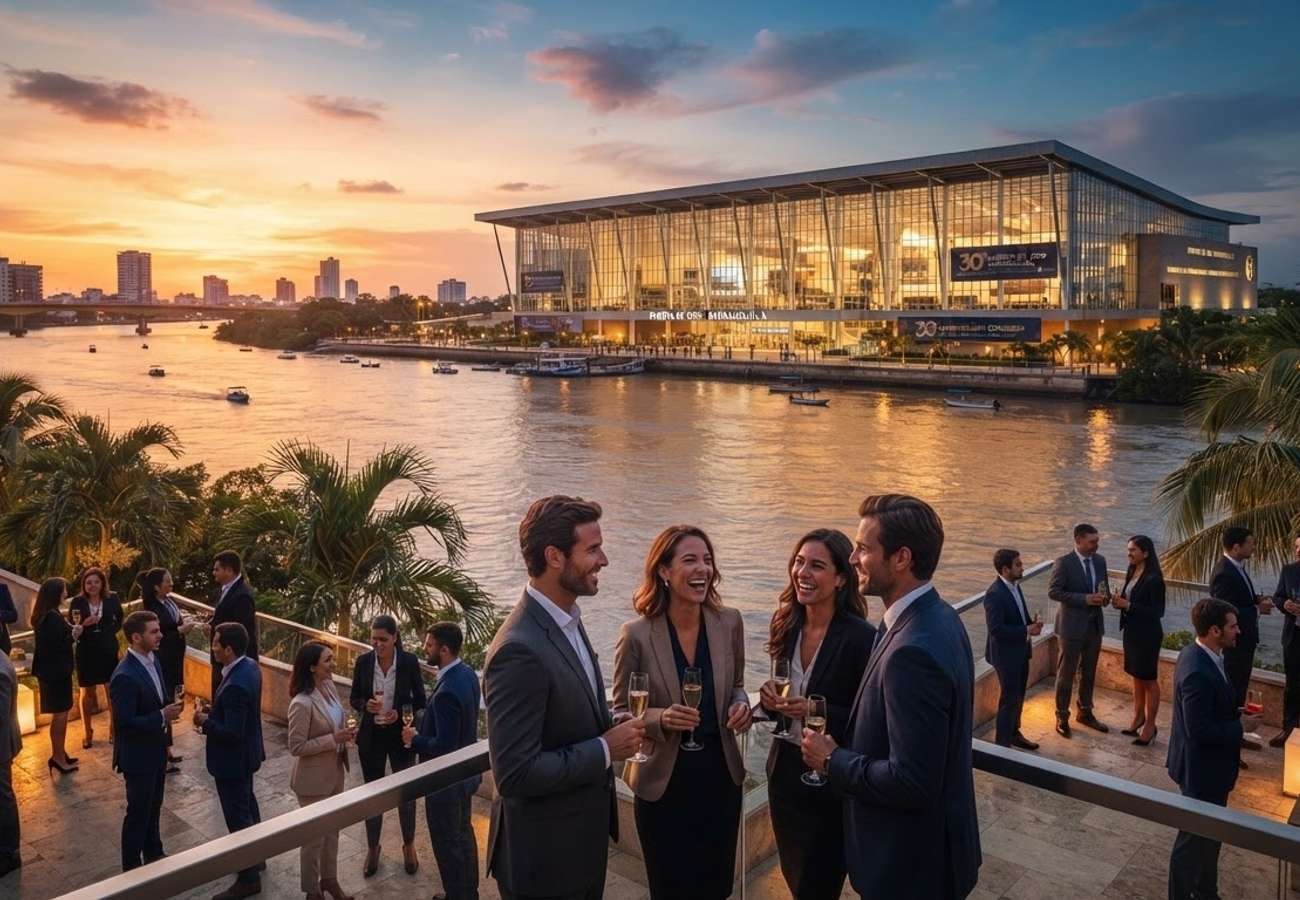
Image generated by AI
The 30th ANATO National Congress marks a critical pivot for the Latin American travel sector, shifting focus from AI-driven commodification to high-value, human-centric experiential travel.
The Barranquilla Summit: Strategic Overview
On August 27 and 28, 2026, the Association of Travel and Tourism Agencies (ANATO) convenes its landmark 30th anniversary National Congress in Barranquilla, Colombia. The event takes place at the Puerta de Oro Events Center, a venue selected for its strategic position as Colombia's Caribbean gateway and its alignment with global sustainable engineering standards.
The congress serves as a professional hub for hundreds of travel agency executives, tour operators, airline representatives, and technology providers. The primary objective is to establish commercial roadmaps that counteract the "digitization paradox"—where automated booking engines increase efficiency but erode the emotional and cultural depth of the travel experience.
Core Disruption: Algorithms vs. Authenticity
The theme of the 30th edition, “Beyond the algorithm, trips that leave a mark,” addresses a growing trend of digital fatigue among affluent Millennial and Generation Z travelers. Our analysis of current market shifts indicates that these demographics are increasingly rejecting standardized, algorithmically generated itineraries in favor of transformative journeys.
Key Strategic Shifts Identified:
- From Commodity to Curation: Moving away from competing on price and speed (where OTAs dominate) toward acting as "architects of meaning."
- Hyper-Personalization: Leveraging human expertise and local insights to create bespoke itineraries that AI cannot replicate.
- Ethical Storytelling: Integrating direct alliances with indigenous communities and heritage preservation projects to ensure tourism revenue benefits host destinations.
Event Impact and Infrastructure Breakdown
The selection of Barranquilla and the Puerta de Oro Events Center highlights the city's role in urban renewal and its capacity for large-scale international conventions.
- Venue: Puerta de Oro Events Center (featuring panoramic views of the Magdalena River).
- Dates: August 27–28, 2026.
- Participants: Travel agency owners, government delegates, aviation executives, and tourism ministers.
- Economic Drivers: Increased hotel occupancy, stimulation of local gastronomy, and temporary employment generation within the Atlántico Department.
Passenger Rights & Industry Advisory
For the professional traveler and the end-consumer, the shift toward "experiential travel" discussed at ANATO has practical implications for service delivery and consumer protection.
For the Travel Agency Professional: Our analysis suggests that to survive the 2026-2030 cycle, agencies must pivot their value proposition. Instead of simple booking services, agencies should provide documented "impact reports" for their itineraries, showing how a trip supports local conservation or community growth. This adds a layer of intellectual and emotional value that justifies higher service fees.
For the Affected Passenger: As agencies move toward more complex, bespoke itineraries involving secondary markets and local operators, passengers should ensure their contracts include:
- Clear Rebooking Protocols: Bespoke trips often involve smaller boutique providers; ensure your agency has a verified contingency plan for disruptions.
- Insurance Alignment: Verify that "experiential" activities (e.g., indigenous community visits or remote heritage sites) are covered under standard travel insurance policies.
- Transparency in Pricing: Ensure that "sustainable" or "ethical" premiums are clearly itemized in the booking agreement.
The 30th ANATO Congress is not merely a celebratory anniversary but a strategic correction. The industry has spent the last decade optimizing for friction-less booking; the next decade will be defined by the optimization of the experience itself.
By focusing on aviation connectivity in secondary markets and ethical data practices, the congress is addressing the structural weaknesses of the current tourism model. The move toward human-centric travel is a defensive necessity against the total commodification of travel by AI, positioning the human travel agent as an indispensable consultant rather than a middleman.
The future of travel lies not in the efficiency of the search, but in the depth of the discovery.
Related Travel Guides
Disclaimer
This article is for informational and educational purposes only. It does not constitute legal, financial, or professional advice. While we strive to provide accurate and up-to-date information, travel policies, regulations, and conditions change rapidly. Always verify information with official sources before making travel decisions. Nomad Lawyer makes no representations about the accuracy, reliability, completeness, or suitability of the information provided. Readers should consult qualified professionals for advice specific to their circumstances. The views expressed in this article are those of the author and do not necessarily reflect the views of Nomad Lawyer.
Preeti Gunjan
Contributor & Community Manager
A passionate traveller and community builder. Preeti helps grow the Nomad Lawyer community, fostering engagement and bringing the reader experience to life.
Learn more about our team →