
2026 Travel Chaos: Flight Delays, Route Changes & New Taxes
2026 travel disrupted by flight delays, airline suspensions, and new tourism taxes. Navigate Easter chaos, regional crises, and documentation alerts.

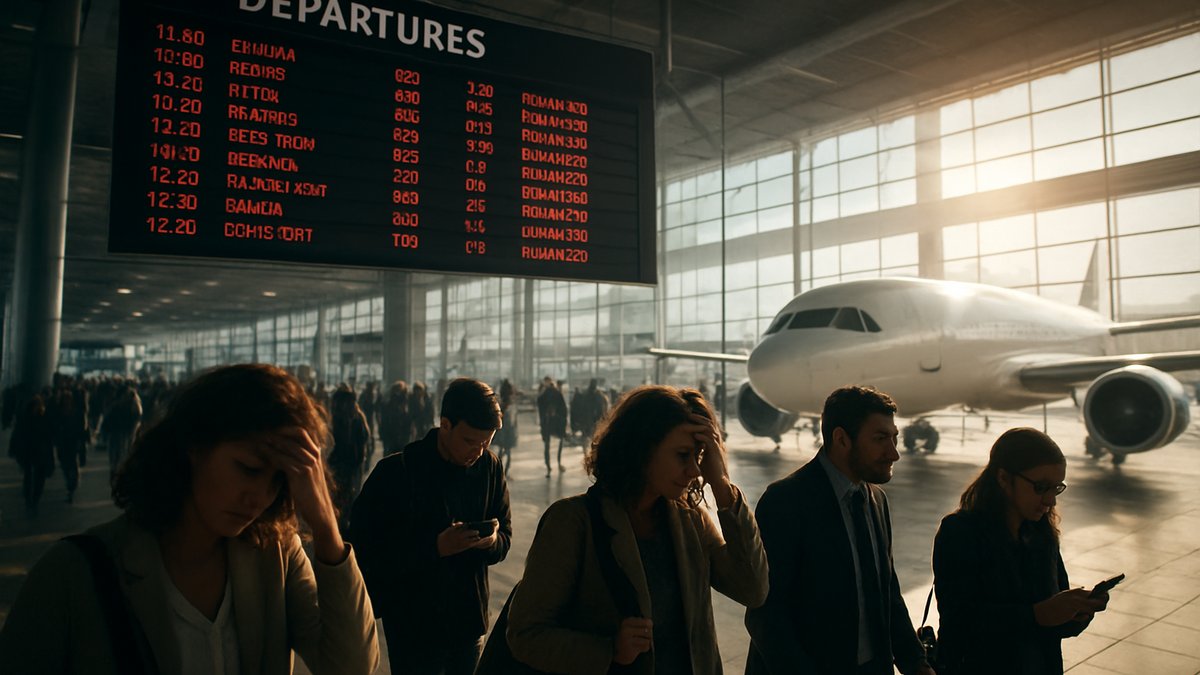
Image generated by AI
The travel landscape in 2026 is experiencing unprecedented turbulence, with multiple disruptions reshaping how millions of people move across the globe. From catastrophic flight delays during peak travel seasons to unexpected airline suspensions and new tourism taxes, travelers face a complex web of challenges requiring careful planning and flexibility.
This comprehensive guide examines the major travel disruptions affecting 2026, including the Easter rush chaos that saw over 5,600 flight delays, regional crises impacting Middle Eastern carriers, and new financial burdens hitting popular destinations. Whether you're planning a domestic trip or international adventure, understanding these developments is essential for protecting your travel investment and avoiding costly surprises.
Understanding the 2026 Travel Crisis: Key Factors
The current travel disruption stems from multiple converging factors that have created a perfect storm for aviation and tourism industries. Understanding these underlying causes helps travelers make informed decisions and prepare contingency plans.
Regional geopolitical tensions have directly impacted airline operations, forcing carriers to suspend routes, reroute flights, and adjust schedules. Air India's suspension of flights to Israel until May 31 exemplifies how international conflicts ripple through the aviation sector, affecting thousands of passengers with disrupted itineraries. Similarly, Bahrain's airspace closure forced Gulf Air to establish temporary operations from Dammam, Saudi Arabia, requiring the airline to launch new routes and adjust its network structure.
Seasonal travel surges compound operational challenges. The Easter holiday period demonstrated the fragility of current aviation infrastructure, with Delta, American Airlines, Southwest, and Air Canada recording over 200 cancellations and 3,000 delays across major US hubs including New York, Boston, Washington D.C., and Connecticut. These numbers represent not just statistics but thousands of stranded passengers, missed connections, and economic losses.
Environmental factors also play a significant role. Oregon's pollen crisis reached critical levels, disrupting travel across western US states including Idaho, Colorado, Utah, and Washington. These weather-related disruptions cascade through the system, creating secondary delays and cancellations that extend far beyond the affected regions.
Additionally, new tourism taxation policies are reshaping travel economics. New York joins Tennessee, Hawaii, Nevada, and Texas in implementing major tourism taxes in 2026, increasing travel costs and potentially reducing discretionary travel spending.
Easter 2026: The Perfect Storm of Flight Chaos
The Easter 2026 travel period became a cautionary tale of aviation system strain, with unprecedented numbers of delays and cancellations disrupting travel nationwide. Understanding what happened provides valuable lessons for future peak travel periods.
The Scale of Disruption
Over 5,600 flight delays and hundreds of cancellations occurred during the Easter rush, affecting major carriers across the United States. This wasn't isolated to a single airport or airline—the disruption was systemic, touching nearly every major hub from coast to coast. Passengers experienced cascading delays, with initial disruptions creating domino effects throughout the day.
The financial impact extended beyond airline losses. Hotels, rental car companies, restaurants, and attractions experienced both unexpected surges and cancellations as travelers either arrived late or abandoned trips entirely. Thousands of travelers found themselves stranded, forced to make emergency accommodation arrangements or reschedule critical business meetings.
Contributing Factors
Multiple elements converged to create this chaos. Staffing shortages at major carriers meant reduced operational capacity during peak demand. Maintenance issues, compounded by the surge in flight operations, created unexpected aircraft unavailability. Air traffic control delays, weather disruptions, and system technical failures all played roles in the cascade of cancellations.
The Easter period also coincided with spring break travel, creating a dual-peak demand scenario that overwhelmed existing infrastructure. Airlines operating at maximum capacity had zero flexibility to absorb disruptions, meaning any single problem cascaded into widespread delays.
Lessons for Travelers
Travelers planning trips during peak seasons should book flights with substantial buffers—ideally arriving at destinations a day early if attending time-sensitive events. Consider purchasing travel insurance that covers airline disruptions, and maintain flexibility in your itinerary. Monitor airline communications closely and consider alternative routing options before disruptions occur.
Regional Airline Crises: Middle East and South Asia Impact
Beyond domestic US disruptions, regional crises are reshaping airline operations across the Middle East and South Asia, creating ripple effects for international travelers.
SalamAir's Punctuality Crisis
Oman's SalamAir has been caught in a storm of delays as regional crises send punctuality spiraling downward. The airline, which serves as a critical connector for Middle Eastern travel, has struggled to maintain schedule reliability amid operational challenges. This impacts not just direct passengers but also connecting travelers relying on SalamAir for onward journeys.
The airline's struggles reflect broader regional instability affecting aviation operations. Delays have extended beyond normal operational variance, suggesting systemic issues requiring significant operational restructuring. Travelers booking SalamAir connections should build substantial layover time and consider alternative routing when possible.
Gulf Air's Temporary Network Expansion
Gulf Air expanded its temporary network from Dammam, Saudi Arabia following Bahrain airspace closure, launching new routes and adjusting operations under government mandates. This forced restructuring demonstrates how geopolitical events directly impact airline networks and passenger routing.
The airline's adaptation, while necessary, creates operational complexity. New routes may lack the efficiency of original networks, potentially resulting in longer flight times and increased operational costs passed to passengers. Travelers should verify current routing when booking Gulf Air flights, as network changes may affect journey duration and connection times.
Air India's Israel Route Suspension
Air India suspended flights to Israel until May 31, directly impacting travelers with plans to visit the region. This suspension affects not just direct passengers but also those using Air India for connections to Israel from India and other markets. The airline's decision reflects broader geopolitical considerations affecting aviation operations.
Travelers with existing bookings face limited options: rebooking on alternative carriers, accepting refunds, or adjusting travel dates. The suspension creates uncertainty for summer travel planning, as the May 31 date may extend depending on regional developments.
Positive Developments: New Routes and Expanded Connectivity
Despite widespread disruptions, 2026 also brings positive developments expanding travel options and strengthening regional connections.
Akasa Air's Darbhanga Expansion
Akasa Air launched daily flights from Darbhanga, strengthening connections and boosting India travel in 2026. This expansion brings air connectivity to a previously underserved market, democratizing air travel access for residents of Bihar and surrounding regions. Daily service indicates strong demand and Akasa Air's confidence in the route's viability.
The Darbhanga expansion represents India's broader aviation growth strategy, connecting tier-2 and tier-3 cities to major hubs. This development benefits not just local residents but also tourists seeking authentic experiences in less-traveled regions. The route opens new possibilities for domestic tourism and business travel.
Uzbekistan Airways' New Delhi-Namangan Route
Uzbekistan Airways launched a groundbreaking direct route from New Delhi to Namangan, paving the way for stronger economic ties, enhanced tourism, and seamless travel opportunities. This new connection directly links India's capital to Central Asia, creating opportunities for business travelers, tourists, and cultural exchange.
The route strengthens India-Uzbekistan relations while opening Central Asia to Indian travelers. Direct connectivity eliminates connection hassles, reducing journey time and improving passenger experience. This development signals growing bilateral cooperation and mutual interest in strengthening travel and economic ties.
New Tourism Taxes: Financial Impact on 2026 Travel
A significant but often overlooked development affecting 2026 travelers is the implementation of new tourism taxes across multiple US states and destinations.
State-by-State Tax Implementation
New York joins Tennessee, Hawaii, Nevada, Texas, and more in rolling out major tourism taxes in 2026. These taxes, implemented at varying rates and on different bases (hotel stays, rental cars, attractions), increase travel costs substantially. A family visiting multiple destinations could face hundreds of dollars in additional taxes.
New York's implementation is particularly significant given the state's status as a major tourism destination. The tax applies to hotel stays and potentially other tourism services, increasing accommodation costs during peak seasons. Hawaii's tax affects both accommodations and activities, making island vacations considerably more expensive.
Planning Implications
Travelers should factor these taxes into budget planning, as they're often not immediately apparent when booking. A $150 hotel night might actually cost $180-200 after taxes. Rental car costs similarly increase, affecting road trip budgets. These taxes disproportionately impact budget-conscious travelers and families planning extended trips.
Consider these taxes when choosing destinations and timing travel. Off-season travel to high-tax destinations may offer better value than peak-season visits to lower-tax alternatives. Research specific tax rates for your intended destinations and factor them into comprehensive budget planning.
Documentation and Travel Alerts: Essential Preparation
As geopolitical tensions and operational challenges persist, US travelers must check documentation and contingency plans before going abroad in 2026.
Active Travel Alerts
Multiple travel alerts remain active for 2026, requiring travelers to verify current conditions before booking. These alerts address safety concerns, documentation requirements, and operational disruptions. The State Department maintains updated guidance on affected regions, and travelers should consult official sources before finalizing international plans.
Documentation Requirements
Passport validity, visa requirements, and travel insurance have become increasingly critical. With airline suspensions and route changes, travelers need flexibility to rebook on alternative carriers, which may require different documentation or visa arrangements. Ensure your passport has at least six months validity beyond your travel dates, and verify visa requirements for all countries on your itinerary.
Travel insurance has become essential, particularly coverage for airline disruptions, medical emergencies, and trip cancellations. Given the 2026 disruption patterns, comprehensive coverage protecting against airline-caused delays and cancellations provides valuable peace of mind.
Contingency Planning
Develop detailed contingency plans for international travel. Identify alternative routing options, backup airlines, and flexible dates. Maintain contact information for your airline, embassy, and travel insurance provider. Register with your embassy before traveling to regions with active travel alerts.
Jamaica's Sports Tourism Boom: A Bright Spot
Amid widespread travel disruptions, Jamaica's sports tourism boom as CPL T20 return strengthens regional ties and attracts global audiences provides a positive example of tourism resilience and growth.
The Caribbean Premier League's return to Jamaica generates significant tourism activity, attracting cricket fans from across the region and internationally. This event-driven tourism demonstrates how sports can drive travel demand and economic benefits for host destinations.
The CPL's return strengthens regional connectivity and encourages airlines to maintain and expand Caribbean routes. This benefits not just cricket fans but all travelers seeking Caribbean destinations, as increased demand supports more frequent service and competitive pricing.
Navigating 2026 Travel: Practical Recommendations
Successfully navigating 2026's complex travel landscape requires strategic planning and flexibility.
Book early but remain flexible. Reserve flights and accommodations well in advance to secure better rates, but choose options with flexible cancellation policies. The 2026 environment makes flexibility valuable, potentially worth premium costs.
Monitor airline communications closely. Subscribe to airline alerts and check your email regularly for schedule changes, route modifications, and operational updates. Early notification allows time to adjust plans rather than discovering changes at the airport.
Build buffer time into itineraries. Add extra days before important events, allowing recovery time from delays. A business meeting or wedding shouldn't depend on perfect flight execution in 2026.
Purchase comprehensive travel insurance. Coverage for airline disruptions, medical emergencies, and trip cancellations provides essential protection. Verify coverage details, particularly regarding airline-caused delays and route suspensions.
Research current conditions for your destination. Check travel alerts, weather forecasts, and airline operational status before traveling. Conditions change rapidly, and current information prevents unpleasant surprises.
Consider alternative transportation. For some trips, trains, buses, or driving may offer more reliable alternatives to flying. Evaluate all options rather than assuming flights are optimal.
Looking Ahead: 2026 Travel Outlook
The 2026 travel landscape reflects broader global challenges—geopolitical tensions, environmental disruptions, and infrastructure strain—that will likely persist throughout the year. However, positive developments like new route launches and expanded connectivity suggest the industry is adapting
Disclaimer
This article is for informational and educational purposes only. It does not constitute legal, financial, or professional advice. While we strive to provide accurate and up-to-date information, travel policies, regulations, and conditions change rapidly. Always verify information with official sources before making travel decisions. Nomad Lawyer makes no representations about the accuracy, reliability, completeness, or suitability of the information provided. Readers should consult qualified professionals for advice specific to their circumstances. The views expressed in this article are those of the author and do not necessarily reflect the views of Nomad Lawyer.
Raushan Kumar
Founder & Lead Developer
Full-stack developer with 11+ years of experience and a passionate traveller. Raushan built Nomad Lawyer from the ground up with a vision to create the best travel and law experience on the web.
Learn more about our team →