
12 Small US Destinations Transforming American Travel in 2026 With High-Impact Local Experiences
From Florida's historic coasts to Texas wine country and Maine's wilderness gateways, 12 compact US destinations offer high-density travel experiences in 2026.

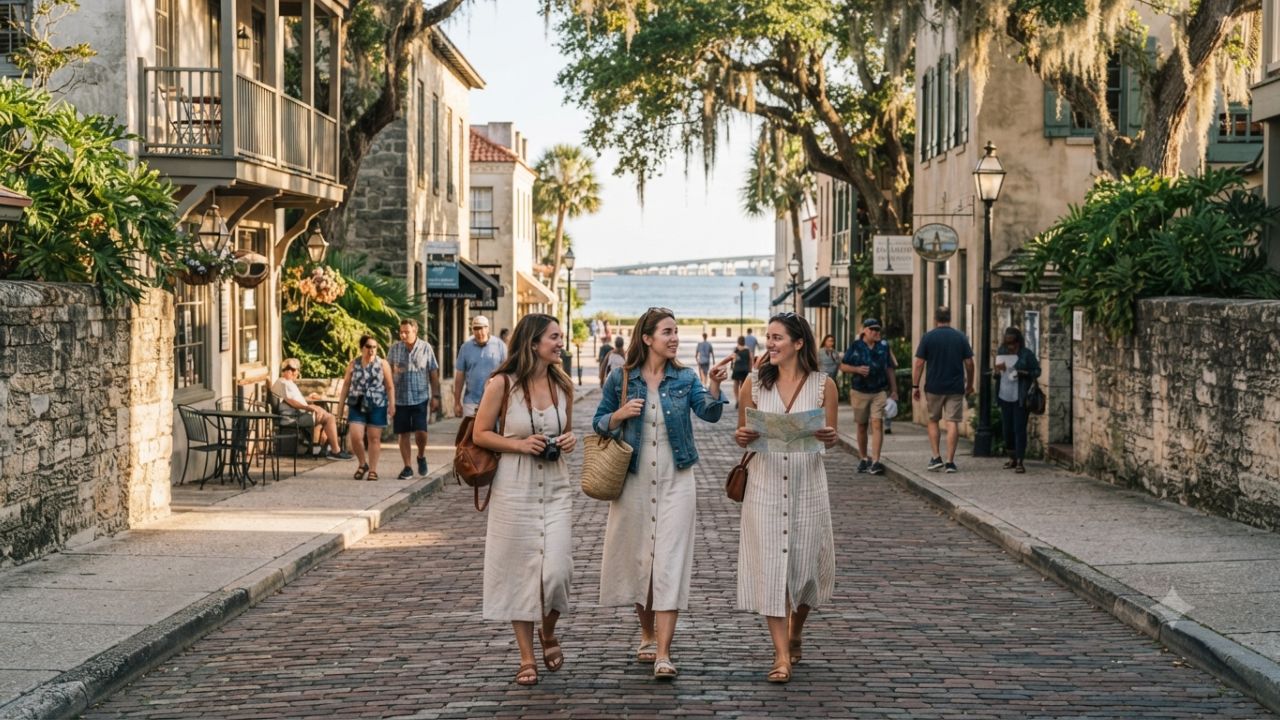
Official US Tourism
Smaller destinations across North America are capturing an increasing share of national travel demand in 2026 by concentrating national parks, historic downtowns, coastal activities, and culinary circuits into walkable, highly accessible geographic footprints.
[Miami, Oct 6, 2026] — Travel patterns across the United States are shifting toward compact regional hubs that offer immersive cultural and outdoor experiences without the traffic congestion and elevated costs of major metropolitan centers. Industry travel reports show destinations ranging from Florida's historic coasts and Texas wine valleys to Maine's maritime towns outperforming conventional city-break targets. By pairing national park access or coastal recreation with walkable downtown districts, twelve specialized US destinations deliver high-density itineraries for domestic and international travelers.
Changing Visitor Demands and the Rise of Compact Destinations
Modern travel preferences increasingly prioritize convenience, accessibility, and high concentration of activities. Rather than spending travel time navigating sprawling urban highways, visitors choose smaller municipalities that serve as staging bases for surrounding wilderness reserves, coastal waters, or agricultural valleys. Key factors driving this trend include:
- Proximity to National Parks: Direct access to protected wilderness reserves without sacrificing upscale dining and lodging.
- Walkable Downtown Districts: High concentrations of historic architecture, local dining, and independent shops within short walking distances.
- Car-Light Mobility: Options for island ferries, bicycle networks, and pedestrian corridors that reduce reliance on rental vehicles.
- Diversified Regional Circuits: Combining wine tasting, heritage tours, and outdoor sports within single weekend trips.
Summary Matrix: 12 High-Impact Small US Destinations (2026)
| Destination | State | Primary Landscape | Key Travel Anchor & Main Attractions |
|---|---|---|---|
| Bar Harbor | Maine | Atlantic coast & mountains | Acadia National Park gateway, coastal cruises, whale watching |
| Sedona | Arizona | Red-rock desert canyons | Trail networks, wellness retreats, wine tasting routes |
| Savannah | Georgia | Historic coastal plain | Landscaped squares, River Street, Tybee Island beaches |
| Mackinac Island | Michigan | Lake Huron island | Car-free transit, 80%+ state park, 8-mile perimeter loop |
| Fredericksburg | Texas | Texas Hill Country | Main Street German heritage, Texas wine circuit, Enchanted Rock |
| Provincetown | Massachusetts | Cape Cod peninsula | Cape Cod National Seashore, Commercial Street, Boston ferry |
| St. Augustine | Florida | Atlantic coast & rivers | Spanish colonial history, Castillo de San Marcos, 42-mile beach strip |
| Jackson | Wyoming | Alpine valley & Teton range | Grand Teton National Park, Jackson Hole skiing, Western culture |
| Key West | Florida | Subtropical coral island | Duval Street corridor, Mallory Square, coral reef diving |
| Galena | Illinois | Upper Mississippi hills | 100+ independent Main Street shops, 19th-century architecture |
| Annapolis | Maryland | Chesapeake Bay estuary | US Naval Academy, Maryland State House, sailing capital |
| Portland | Maine | Casco Bay peninsula | Old Port cobblestone district, culinary hub, island ferries |
Regional Profiles: 12 Standout Small US Travel Destinations
1. Bar Harbor, Maine: Wilderness Gateway on the Atlantic Coast
Bar Harbor serves as the main entrance to Acadia National Park, blending rugged ocean landscapes with mountain hiking and cycling routes. Visitors explore granite peaks and coastal fjords before returning to town for fresh Maine lobster dining, harbor cruises, and seasonal whale-watching excursions across Frenchman Bay. Advance bookings remain essential during high summer peak periods.
2. Sedona, Arizona: Red-Rock Canyons and High-Desert Wellness
Sedona surrounds travelers with towering red-sandstone formations and extensive trail networks popular with hikers and mountain bikers. Beyond outdoor adventure, the town houses art galleries, day spas, and tasting rooms connected to the regional Verde Valley wine route. Early morning trailhead access helps visitors avoid peak daily parking congestion.
3. Savannah, Georgia: Southern Architectural History and Coastal Islands
Structured around 22 historic landscaped squares, Savannah allows visitors to tour antebellum architecture, historic museums, and tree-lined avenues on foot. River Street anchors waterfront dining along the Savannah River, while nearby Tybee Island adds Atlantic beaches and lighthouse tours just 20 minutes from the historic district.
4. Mackinac Island, Michigan: Car-Free Heritage and Lake Huron Trails
Mackinac Island maintains a unique transportation policy where motor vehicles are prohibited, restricting transit to bicycles, horse-drawn carriages, and walking. Mackinac Island State Park covers more than 80 per cent of the island, featuring an 8-mile paved perimeter cycling route around Lake Huron alongside historic fort tours.
5. Fredericksburg, Texas: German Heritage and Hill Country Wineries
Located in central Texas, Fredericksburg combines 19th-century German-American heritage with a rapidly expanding wine-tourism industry. Main Street retains historic stone architecture, boutique shopping, and traditional bakeries, while surrounding Gillespie County hosts dozens of vineyards and tasting rooms near Enchanted Rock State Natural Area.
6. Provincetown, Massachusetts: Cape Cod Seashore and Bohemian Culture
Situated at the tip of Cape Cod, Provincetown pairs a lively downtown along Commercial Street with direct access to the Cape Cod National Seashore. Visitors explore Race Point Beach and Herring Cove Beach via extensive bike paths, with direct seasonal ferry service connecting the town to downtown Boston.
7. St. Augustine, Florida: Spanish Colonial History and 42 Miles of Beaches
As the oldest continuously inhabited European-established settlement in the US, St. Augustine centers on the 17th-century Castillo de San Marcos stone fortress. Beyond historic cobblestone streets, the surrounding municipality encompasses 42 miles of Atlantic beaches, wildlife reserves, and historic lighthouses.
8. Jackson, Wyoming: Alpine Base Camp for Grand Teton National Park
Jackson offers a compact urban hub in the Jackson Hole valley, featuring Western-style town square arches and upscale dining. The town acts as the primary southern gateway to Grand Teton National Park, providing immediate access to mountain climbing, wildlife viewing, and winter ski slopes.
9. Key West, Florida: Subtropical Island Culture and Coral Reefs
Key West packs cultural sites, historic architecture, and ocean sports into a 4-by-2-mile island footprint. Duval Street forms a mile-long commercial corridor connecting historic inns with oceanfront dining, while Mallory Square hosts nightly sunset gatherings near coral reef diving and sailing departure points.
10. Galena, Illinois: Preserved 19th-Century Architecture and River Valleys
Galena features a remarkably preserved 19th-century downtown where over 100 independent businesses operate along Main Street. Nestled in the rolling hills of northwest Illinois, the destination pairs boutique shopping with regional wineries, kayaking along the Galena River, and golf resorts.
11. Annapolis, Maryland: Chesapeake Bay Maritime Capital
Annapolis serves as Maryland's capital and America's premier sailing hub. Visitors walk between the 18th-century Maryland State House, the US Naval Academy campus, and City Dock, where sailing charters and water taxis access the open waters of Chesapeake Bay.
12. Portland, Maine: Award-Winning Culinary Scene and Casco Bay Islands
Portland combines a working waterfront with a nationally recognized dining scene in its historic Old Port district. Cobblestone streets lead past seafood markets and craft breweries, while Casco Bay ferry lines connect travelers to nearby island communities and coastal lighthouses.
Practical Experience & Logistical Reality for American Travelers
Navigating compact U.S. travel destinations requires specific planning adjustments to maximize travel value:
- Book Peak Seasons Early: Smaller geographic footprints mean limited hotel inventories. Destinations like Bar Harbor, Mackinac Island, and Jackson experience rapid hotel sell-outs during summer and fall foliage periods.
- Embrace Alternative Mobility: Towns like Mackinac Island, Provincetown, and Annapolis allow travelers to minimize or eliminate rental car use by utilizing ferries, local shuttles, and pedestrian networks.
- Target Shoulder Months: Visiting desert or southern destinations like Sedona, Savannah, and Fredericksburg during spring or late autumn offers milder weather and reduced daily crowd density.
Frequently Asked Questions About Compact US Destinations
What makes small US destinations increasingly popular for 2026 travel?
Travelers favor compact destinations because they pack national parks, historic architecture, dining, and coastal activities into small, easily walkable footprints without big-city traffic.
Which destination features a completely car-free environment?
Mackinac Island, Michigan prohibits personal motor vehicles, relying on bicycles, walking, and horse-drawn carriages across the island and Mackinac Island State Park.
What is the primary attraction in St. Augustine, Florida?
St. Augustine combines rich Spanish colonial history at Castillo de San Marcos with 42 miles of surrounding Atlantic beaches.
Which small US destination serves as a major wine-tourism hub?
Fredericksburg, Texas serves as the main gateway to Texas Hill Country wine road circuits, featuring dozens of regional vineyards and tasting rooms.
Related Travel Guides
Disclaimer
This article is for informational and educational purposes only. It does not constitute legal, financial, or professional advice. While we strive to provide accurate and up-to-date information, travel policies, regulations, and conditions change rapidly. Always verify information with official sources before making travel decisions. Nomad Lawyer makes no representations about the accuracy, reliability, completeness, or suitability of the information provided. Readers should consult qualified professionals for advice specific to their circumstances. The views expressed in this article are those of the author and do not necessarily reflect the views of Nomad Lawyer.
Raushan Kumar
Founder & Lead Developer
Full-stack developer with 11+ years of experience and a passionate traveller. Raushan built Nomad Lawyer from the ground up with a vision to create the best travel and law experience on the web.
Learn more about our team →