
Alaska Airlines Launches 10 Ultra-Long-Haul Routes in 2026, Signaling Major Strategic Shift in Aviation Market
Breaking airline news and aviation industry updates for 2026.

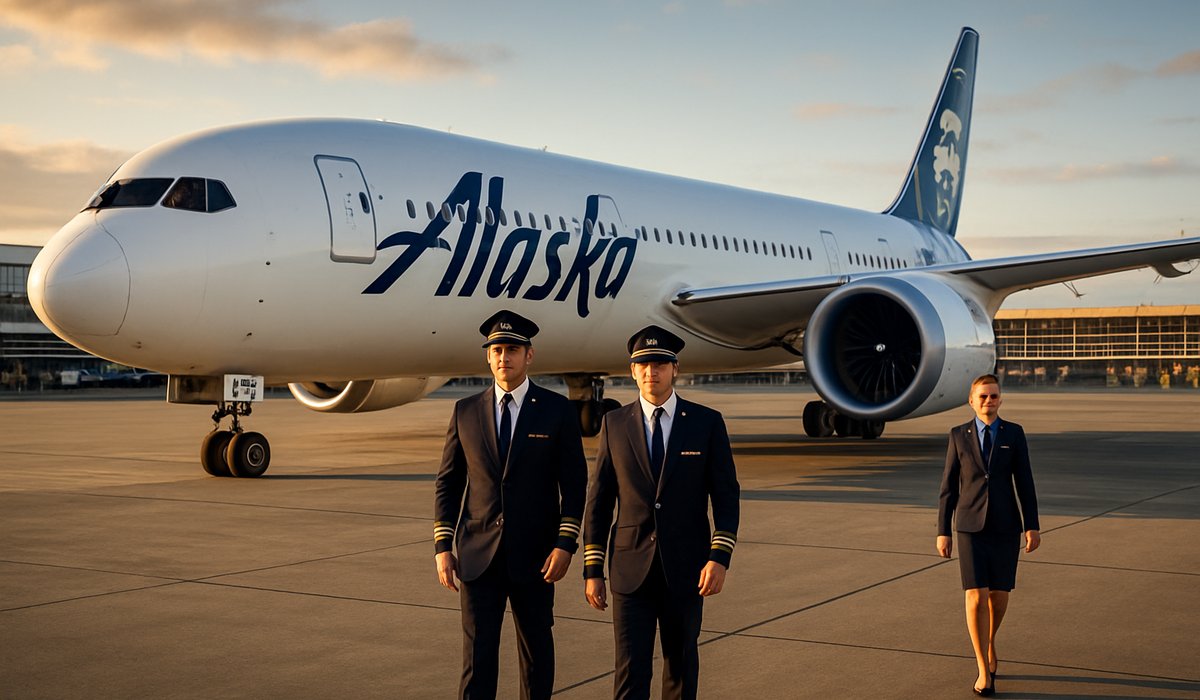
Image generated by AI
Alaska Airlines Launches 10 Ultra-Long-Haul Routes in 2026, Signaling Major Strategic Shift in Aviation Market
Regional carrier pivots to intercontinental competition with ambitious Seattle-based expansion targeting Asia and Europe
Alaska Airlines Eyes Global Expansion
Alaska Airlines is making an aggressive move into the ultra-long-haul market, announcing ten new nonstop routes spanning up to 12 hours of flight time beginning in 2026. The Seattle-Tacoma International Airport-based carrier—traditionally known as a regional operator—is fundamentally reshaping its network strategy by pursuing direct connections to Asia and European destinations, marking a dramatic departure from its historical operational footprint.
The expansion reflects a broader industry trend of regional carriers upgrading their fleets and capabilities to compete directly with legacy carriers on premium intercontinental routes. Alaska Airlines' pivot comes at a critical moment when airlines are reassessing profitability on long-haul services amid volatile jet fuel prices and shifting passenger demand patterns in the post-pandemic travel landscape.
Hawaiian Airlines Merger Accelerates International Ambitions
The carrier's 2024 acquisition of Hawaiian Airlines has significantly accelerated its intercontinental ambitions, with Alaska inheriting a portfolio of Pacific routes previously operated by the island-based competitor. This strategic consolidation has effectively transformed Alaska Airlines' long-haul footprint, providing infrastructure, aircraft, and operational expertise previously unavailable to the regional operator.
The inherited Hawaiian routes provide Alaska with established demand patterns and market presence across Asian and trans-Pacific markets—advantages that would have taken years to develop independently. This merger-driven expansion positions Alaska as an emerging competitor to traditional long-haul specialists.
Route Network Transformation
The ten forthcoming routes represent Alaska's most ambitious international expansion initiative to date. By establishing twelve-hour nonstop service from Seattle, the airline is competing directly with major carriers on premium transatlantic and transpacific corridors. The strategy capitalizes on Seattle's geographic advantage as a gateway city with strong Asian trade connections and growing European business demand.
Industry analysts note that such expansion requires substantial capital investment in modern aircraft—likely including Boeing 787 Dreamliners or similar wide-body jets—plus increased operational complexity and staffing requirements. The financial implications depend heavily on fuel cost volatility and macroeconomic factors affecting business travel demand.
Industry-Wide Competitive Pressures
Alaska's aggressive expansion underscores intensifying competition in the aviation sector, where airlines continuously adjust baggage charges, seat configurations, and route offerings to optimize revenue. Long-haul routes typically command premium fares but also generate higher operational costs, making route selection critical to profitability.
The timing of Alaska's announcement reflects confidence in sustained international demand recovery, though elevated jet fuel prices remain a persistent headwind across the industry. Competing carriers will likely respond strategically, potentially affecting pricing on overlapping routes and regional aviation employment dynamics.
Frequently Asked Questions
What are Alaska Airlines' longest new routes in 2026? Alaska Airlines is launching ten nonstop routes spanning up to 12 hours, primarily connecting Seattle-Tacoma International Airport to destinations across Asia and Europe, representing the carrier's most ambitious international expansion.
How does the Hawaiian Airlines merger impact Alaska's route network? The acquisition provided Alaska with established Pacific routes, aircraft capabilities, and operational infrastructure previously unavailable, effectively transforming it from a regional carrier into an intercontinental competitor.
What aircraft will Alaska use for these ultra-long-haul flights? While not explicitly detailed, such 12-hour routes typically require modern wide-body jets like the Boeing 787 Dreamliner, capable of efficient long-distance operations with reduced fuel consumption.
How do jet fuel prices affect Alaska Airlines' new long-haul strategy? Volatile jet fuel costs directly impact profitability on long-haul routes. Higher fuel prices increase operating expenses, potentially necessitating higher ticket pricing or adjusted baggage fee structures to maintain margin targets.
Will Alaska Airlines' expansion affect pricing and baggage charges? Long-haul route profitability depends on revenue optimization through premium fares and ancillary fees. Expect Alaska to implement competitive baggage policies and seat-pricing strategies aligned with industry standards on international routes.
Related Travel Guides
Flight Delay Compensation Guide 2026
Understanding Airline Route Changes
Airport Security Process Updated (2026)
External Resources
Disclaimer
This article is for informational and educational purposes only. It does not constitute legal, financial, or professional advice. While we strive to provide accurate and up-to-date information, travel policies, regulations, and conditions change rapidly. Always verify information with official sources before making travel decisions. Nomad Lawyer makes no representations about the accuracy, reliability, completeness, or suitability of the information provided. Readers should consult qualified professionals for advice specific to their circumstances. The views expressed in this article are those of the author and do not necessarily reflect the views of Nomad Lawyer.
Preeti Gunjan
Contributor & Community Manager
A passionate traveller and community builder. Preeti helps grow the Nomad Lawyer community, fostering engagement and bringing the reader experience to life.
Learn more about our team →