Kyrgyzstan Promotes Mountain Tourism Safety Standards at Kazakhstan Forum Ahead of 2027 Global Summit: Latest Update

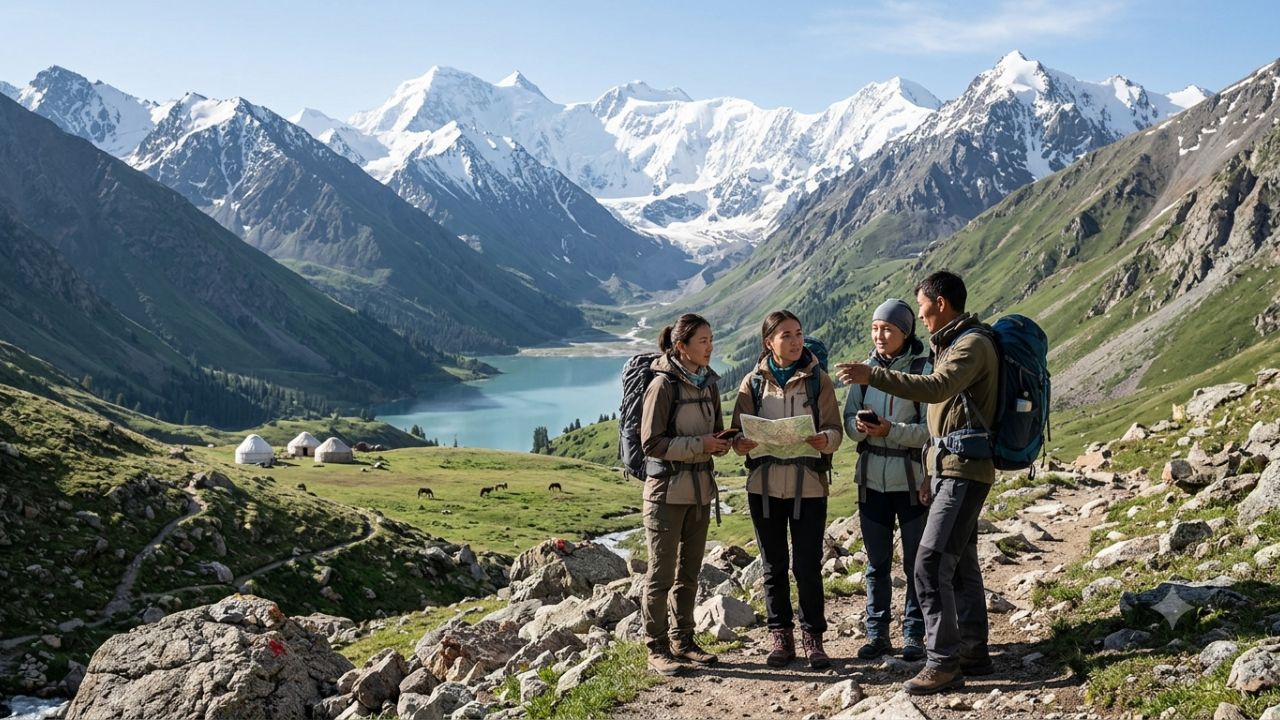
Kyrgyzstan emphasized mountain tourism safety, insurance protocols, and rescue readiness at a regional forum in Kazakhstan.
Advancing a regional framework for sustainable adventure travel and enhanced visitor security, Kyrgyzstan unveiled a comprehensive vision for modernized mountain tourism safety during a multilateral forum convened in Kazakhstan on the occasion of World Tourism Day. Led by senior delegates from the strategic development department of the State Agency for Tourism Development of the Kyrgyz Republic, the initiative establishes structured protocols for high-altitude risk evaluation, mandatory medical evacuation insurance, and cross-border emergency rescue readiness as Central Asia prepares to host the landmark 2027 Global Mountain Summit.
With alpine trekking, glacier expeditions, and extreme mountaineering across the Tien Shan and Pamir ranges drawing an expanding demographic of international adventure travelers, tourism authorities emphasized that sustainable destination growth is inextricably linked to robust safety infrastructure. By aligning government institutions, private tour operators, and certified mountaineering guides, the forum laid the groundwork for harmonized visitor protection standards across Central Asia's shared wilderness corridors.
The Kazakhstan Forum: Central Asian Alignment on World Tourism Day
The high-level tourism forum brought together government representatives, international adventure operators, mountain rescue specialists, and industry analysts in Kazakhstan to address the unique logistical challenges inherent in alpine travel. Supported by broader frameworks endorsed by UN Tourism (World Tourism Organization), discussions centered on establishing clear divisions of responsibility between individual trekkers, expedition organizers, and national emergency services.
Mountainous environments present complex operational realities, including sudden meteorological shifts, avalanche hazards, hypoxia, and remote geographical isolation where medical evacuation logistics become challenging. Participating nations recognized that managing high-altitude destinations requires moving beyond informal adventure travel toward institutionalized visitor management systems that preserve fragile ecological assets while mitigating preventable accidents.
For Kyrgyzstan, the platform offered an opportunity to align its national tourism development roadmap with regional partners, demonstrating how technical collaboration with neighboring Kazakh Tourism authorities can standardize guide certification, emergency radio communications, and trail monitoring across cross-border mountain ranges.
The Four Pillars of Modern Mountain Safety
The collaborative discussions established four foundational operational pillars required to elevate mountain tourism security across Central Asia:
- Preliminary Risk Assessments: Before launching alpine treks or summit expeditions, licensed tour operators and independent mountaineers must conduct rigorous terrain evaluations, analyze historical meteorological data, and assess route-specific hazards.
- Comprehensive Traveler Preparedness: Expeditions must mandate physical fitness screenings, technical gear verification, and acclimatization schedules to ensure tourists understand the psychological and logistical demands of remote backcountry terrain.
- Dedicated Adventure Insurance Coverage: Adventure travelers must carry specialized high-altitude travel insurance policies that explicitly cover technical mountaineering, search-and-rescue operations, and aeromedical helicopter evacuations.
- Emergency Rescue Coordination: Strengthening rapid-response infrastructure between commercial expedition leaders, rural border outposts, and state civil defense rescue units to minimize response times during catastrophic events.
Mountain Safety Framework: Operational Standards for Adventure Travel
The comprehensive security guidelines and operational requirements detailed during the forum are outlined in the framework below:
| Safety Pillar | Core Operational Focus | Institutional Requirement | Practical Traveler Takeaway |
|---|---|---|---|
| Risk Evaluation | Pre-expedition route hazard mapping and weather modeling | Mandatory route filing with local alpine monitoring bureaus | Review certified route difficulty ratings before committing to technical climbs |
| Physical & Gear Readiness | High-altitude physiological training and cold-weather equipment checks | Expedition gear audits conducted by licensed mountain guides | Carry sub-zero sleeping gear, satellite communicators, and crampons |
| Insurance Underwriting | Financial coverage for complex medical and helicopter rescues | Proof of high-altitude evacuation insurance required for climbing permits | Verify policy covers altitudes exceeding 4,000 to 7,000 meters |
| Rescue Readiness | Coordinated communication between alpine clubs and state emergency services | Dedicated satellite channels and regional rescue team staging | Program emergency rescue frequencies into personal communication beacons |
| Ecological Stewardship | Waste management, low-impact camping, and biodiversity preservation | Strict Leave No Trace protocols enforced across national park trails | Pack out all non-biodegradable waste and camp exclusively in designated zones |
Road to 2027: Kyrgyzstan Prepares to Host the Global Mountain Summit
The safety initiatives advanced in Kazakhstan serve as an important diplomatic stepping stone as Kyrgyzstan prepares to host the 2027 Global Mountain Summit. The planned summit represents a major international milestone that will assemble global policymakers, environmental scientists, and mountaineering authorities to establish worldwide standards for high-altitude ecological conservation, climate resilience, and sustainable adventure tourism.
By taking proactive leadership on safety governance, Kyrgyzstan is positioning its adventure economy as a mature, professionally regulated ecosystem capable of handling high-volume international expeditions. Hosting the 2027 summit will allow the country to showcase its vast alpine resources—including Peak Pobeda, Khan Tengri, and the Lake Issyk-Kul basin—while championing responsible mountain development across global forums.
Regional Integration Across Central Asian Tourism Corridors
The Kazakhstan forum unfolded against a backdrop of accelerating bilateral and multilateral cooperation throughout Central Asia. Parallel initiatives across the region—including deepening tourism and trade corridors between Uzbekistan and India—illustrate how regional integration is removing administrative barriers to travel.
For mountain destinations, regional cooperation is particularly vital because alpine ecosystems and climbing routes frequently span national borders. Joint rescue protocols, synchronized visa policies, and shared avalanche forecasting systems allow Kazakhstan, Kyrgyzstan, and Tajikistan to manage the broader Tien Shan and Pamir bioregions collaboratively. This unified approach provides international climbers with consistent safety standards and seamless transit across Central Asian adventure routes.
Practical Advice for Mountaineers and Adventure Travelers in Central Asia
Climbers, trekkers, and adventure tourists planning high-altitude journeys across Kyrgyzstan and Central Asia should implement essential precautions:
- Secure Specialized High-Altitude Insurance: Standard travel insurance frequently excludes activities above 3,000 meters; purchase dedicated adventure policies that include uncapped helicopter search and evacuation coverage.
- Hire Nationally Certified Mountain Guides: Ensure trekking operators and expedition leaders hold accredited certifications from recognized national mountaineering associations.
- Register Itineraries with Mountain Rescue Agencies: Before embarking on remote backcountry routes, register detailed daily waypoints and estimated return times with local rescue stations.
- Carry Two-Way Satellite Messengers: Mobile cellular coverage rarely penetrates high-altitude alpine valleys; carry reliable satellite communicators (such as Garmin inReach or ZOLEO) with active SOS monitoring.
- Adhere to Structured Acclimatization Schedules: Avoid rapid elevation gains exceeding 300 to 500 meters per day above 3,000 meters to mitigate acute mountain sickness (AMS) and high-altitude pulmonary edema (HAPE).
Looking Ahead: Building a Sustainable Future for High-Altitude Tourism
As Kyrgyzstan advances toward the 2027 Global Mountain Summit, the focus on visitor security, operator accountability, and environmental preservation provides a clear roadmap for long-term tourism growth. By transforming rugged mountain destinations into responsibly managed adventure corridors, the country ensures that future generations of mountaineers can explore the legendary peaks of Central Asia safely and sustainably.
Frequently Asked Questions
What was the purpose of Kyrgyzstan's participation in the Kazakhstan tourism forum?
Kyrgyzstan participated to promote improved safety standards for mountain tourism, enhance regional disaster preparedness, and build international partnerships ahead of the 2027 Global Mountain Summit.
Who represented Kyrgyzstan at the regional tourism forum?
The country was represented by an official from the strategic development department of the State Agency for Tourism Development under the Cabinet of Ministers of the Kyrgyz Republic.
What are the main pillars of Kyrgyzstan's new mountain safety vision?
The vision focuses on four primary areas: pre-expedition risk assessments, tourist physical and gear preparedness, comprehensive medical and evacuation insurance, and coordinated emergency rescue services.
When will Kyrgyzstan host the Global Mountain Summit?
Kyrgyzstan is scheduled to host the international Global Mountain Summit in 2027, focusing on sustainable mountain development, ecological protection, and responsible adventure tourism.
Related Travel Guides
This article is for informational purposes. Flight routes, passenger regulations, visa rules, and transit advisories are subject to change by airlines and aviation authorities. Readers are advised to verify schedules and travel documentation with relevant carriers and border agencies before departure.
Related Stories
Austria Joins European Nations in Deploying Smart Tourism Hubs, IoT Dispersal Algorithms, and Value-Driven Travel Frameworks to Combat Overtourism

Spain Allocates €42 Million to Rural and Experiential Tourism as Inbound Arrivals from Switzerland, Poland, and Belgium Expand