Jamaica Secures Top Position Leaving Bahamas, Fiji and More Behind in Top 30 Winter Escapes With Strong Tourism Appeal

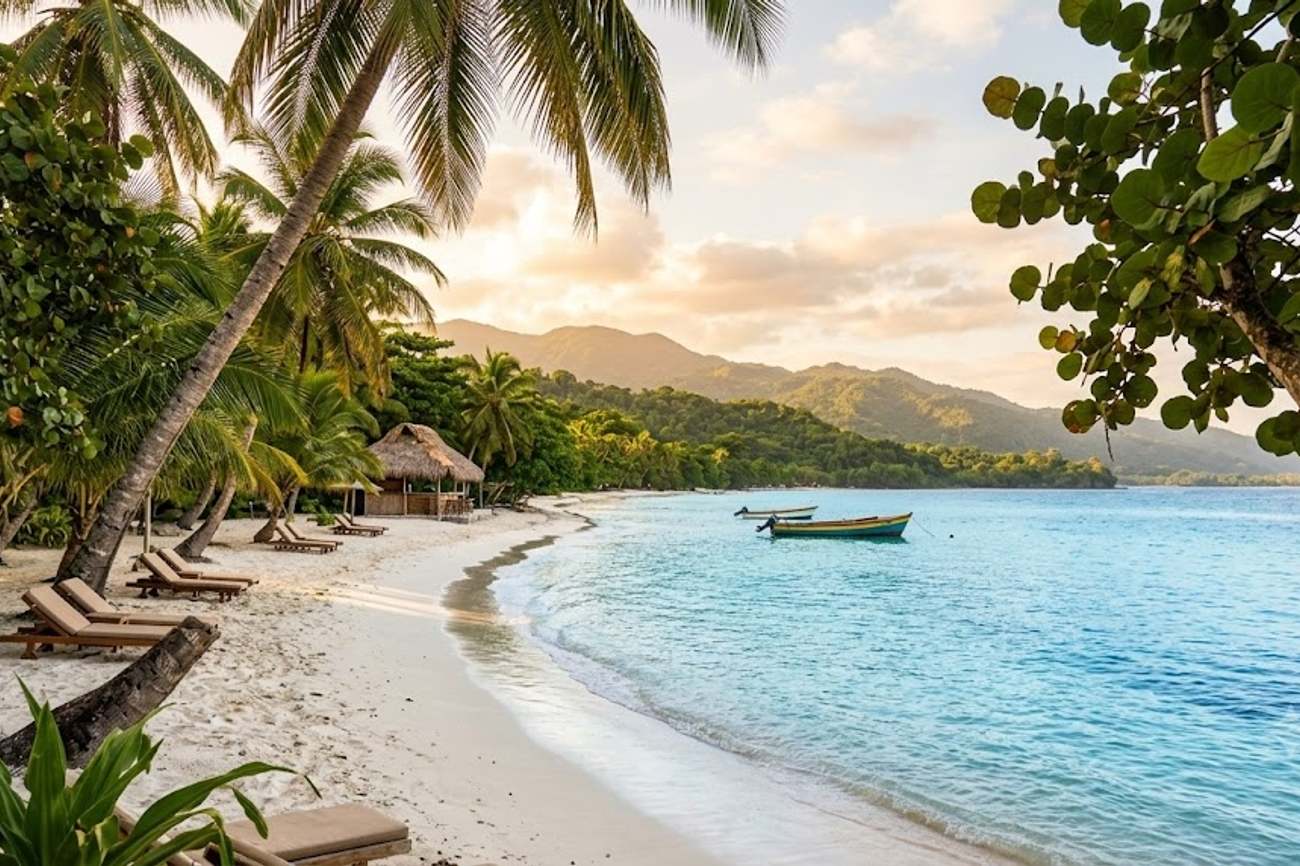
Image generated by AI
2.34 million visitors arrived in Jamaica between January and August 2026, generating approximately US$2.5 billion in earnings. This surge in winter appeal has propelled the island to the top of a global ranking of the 30 best winter escapes, outperforming established luxury and nature hubs including the Bahamas, Fiji, and the Balearic Islands.
The Shift Toward Experiential Winter Tourism
The ascent of Jamaica to the premier position in winter travel rankings reflects a fundamental shift in consumer behavior. For decades, winter "sun seeking" was a commodity business—travelers sought the warmest temperature at the lowest price point. However, the current market indicates that travelers are now prioritizing "cultural density" over simple climate.
Jamaica’s dominance is rooted in its ability to offer a multi-category vacation within a single geography. While rivals like the Turks and Caicos focus heavily on the luxury beach segment, Jamaica integrates music, gastronomy, and topography. The island leverages its globally recognized Rastafarian heritage and reggae influence to create an identity that feels distinct from the generic "tropical resort" experience. By blending the high-altitude environment of the Blue Mountains with the coastal draw of Negril’s Seven Mile Beach, the destination captures multiple traveler personas—the adventurer, the foodie, and the leisure seeker—simultaneously.
Comparative Market Performance and Economic Impact
The economic reliance on this winter influx is systemic. Tourism is not merely a sector of the Jamaican economy; it is a primary engine of foreign exchange and employment. According to data from the Jamaica Tourist Board, the industry supports a massive labor force, with direct employment reaching 175,000 people and an additional 350,000 jobs created through indirect and induced effects.
The following data outlines the scale of Jamaica's tourism footprint and how it compares to other global winter contenders.
Jamaica Tourism Metrics & Global Rivalry
| Indicator | Official Figure/Detail |
|---|---|
| 2025 Total Visitors | 3,740,731 |
| 2025 Stopover Arrivals | 2,496,176 |
| 2025 Cruise Arrivals | 1,244,555 |
| 2025 Total Earnings | US$3.794 billion |
| 2024 Total Visitors | ~4.27 million |
| 2024 Total Earnings | ~US$4.35 billion |
| GDP Contribution | ~9.5% |
| Foreign Exchange Share | ~53% |
| U.S. Market Share | ~75% of stopovers |
| Primary Dry Season | December–April |
Winter Destination Value Propositions
| Destination | Primary Competitive Advantage | Market Positioning |
|---|---|---|
| Jamaica | Cultural integration (Reggae, Jerk cuisine) | Diverse Experiential |
| Bahamas | Marine tourism & Exuma Cays | Archipelago Exploration |
| Turks & Caicos | Grace Bay & High-end resorts | Ultra-Luxury |
| Bali | Spiritual sites & rice terraces | Cultural/Wellness |
| Fiji | Reef systems & village ceremonies | Remote Nature |
| Balearic Islands | Spanish heritage & nightlife | European Leisure |
Expert Analysis: The "Cultural Moat" Strategy
From a business and logistical perspective, Jamaica has successfully built a "cultural moat"—a competitive advantage that is difficult for other island nations to replicate through infrastructure alone. While any government can build a luxury resort or improve an airport, the organic global brand of reggae and the specific culinary identity of jerk cuisine provide a psychological draw that transcends price sensitivity.
For travelers booking this route, the direct consequence is a move away from "all-inclusive isolation." The data suggests a trend where visitors are leaving the resort perimeter to engage with local communities and natural landmarks like Dunn’s River Falls. This shift increases the "leakage" of tourist dollars into the local economy, benefiting the 525,000 total jobs supported by the industry.
However, the heavy reliance on the U.S. market—which accounts for 75% of stopover arrivals—represents a strategic vulnerability. Any significant economic downturn in the United States or a shift in International Air Transport Association (IATA) regulations regarding Caribbean flight paths could disproportionately impact Jamaica's GDP. To maintain its top position, the island must continue diversifying its source markets beyond North America, mimicking the geographic spread seen in the broader Top 30 list, which includes visitors from Europe and Asia.
Key Takeaways
- Economic Weight: Tourism accounts for 9.5% of Jamaica's GDP and provides over half of its foreign exchange earnings.
- Diversified Appeal: Jamaica's top ranking is driven by a mix of mountains, waterfalls, and beaches, rather than a single attraction.
- Market Concentration: The destination is heavily dependent on U.S. travelers, who make up 75% of all stopover arrivals.
- Cultural Shift: Modern winter travelers are prioritizing unique local identities (music, food, heritage) over simple sun-and-sand packages.
- Employment Scale: The industry supports approximately 525,000 total jobs through direct, indirect, and induced employment.
FAQ: Jamaica Winter Travel 2026
When is the best time to visit Jamaica for winter weather? The dry season runs from December to April. This period offers the most stable weather for hiking in the Blue Mountains or visiting Negril’s Seven Mile Beach, avoiding the heavier rainfall of the Atlantic hurricane season.
What makes Jamaica different from the Bahamas or Turks and Caicos? While the Bahamas and Turks and Caicos excel in marine tourism and luxury beach resorts, Jamaica offers a more diverse inland experience, including mountains, waterfalls, and a globally recognized music and culinary culture.
Is Jamaica's tourism industry safe for local employment? The industry is a massive employer, supporting roughly 525,000 jobs. However, because it generates 53% of the country's foreign exchange, it is highly sensitive to global economic shifts and U.S. travel trends.
What are the must-visit natural sites for non-beach travelers? Those avoiding the coast should prioritize the Blue Mountains for hiking and Dunn’s River Falls for a unique waterfall experience, both of which contribute to the island's high ranking for nature-based tourism.
The era of the generic beach holiday is ending; the era of the cultural expedition has arrived.
Tags: Jamaica Tourism 2026, Caribbean Winter Travel, Jamaica Tourist Board, Blue Mountains, Negril Seven Mile Beach, Caribbean GDP Analysis
Related Travel Guides
This article is for informational purposes. Flight routes, passenger regulations, visa rules, and transit advisories are subject to change by airlines and aviation authorities. Readers are advised to verify schedules and travel documentation with relevant carriers and border agencies before departure.
Related Stories

Europe Overhauls Corporate Travel Rules with Biometric Borders, Green Hospitality, and High-Speed Rail
European Mass Protests Disrupt Travel Across France, Italy, Belgium, and Turkey in 2026